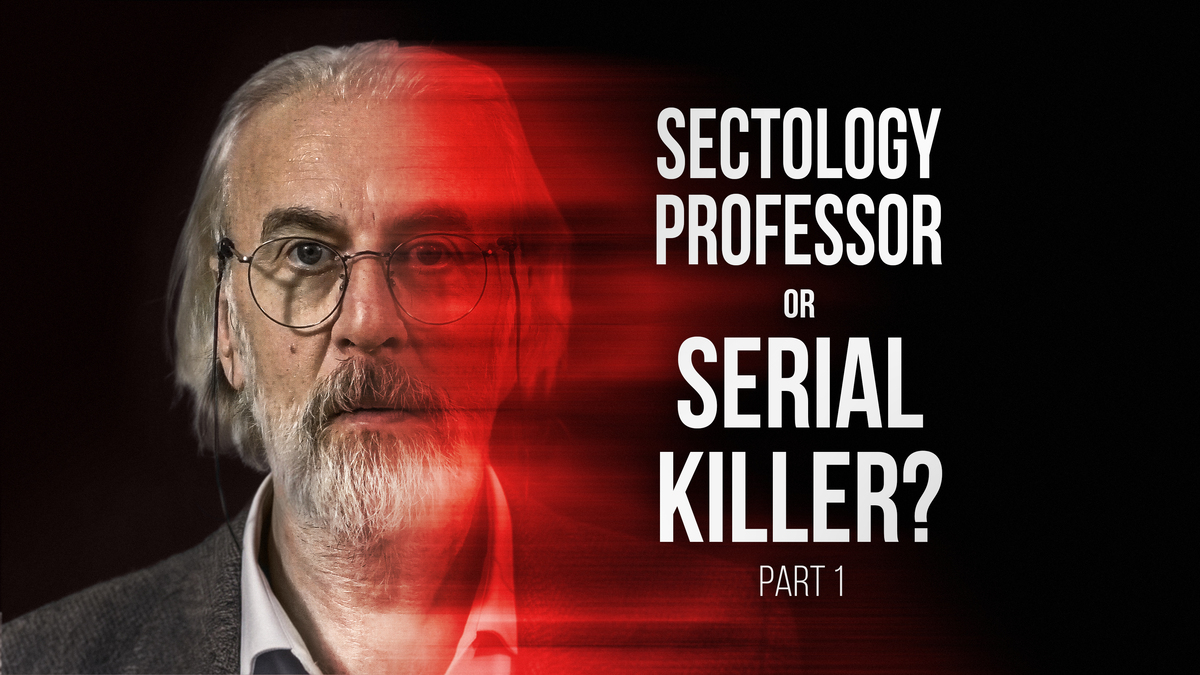
In this article, you will learn about the lesser-known aspects of Alexander Dvorkin’s biography — a man with dubious degrees and honorary titles, who positions himself as an outstanding Russian anticultist and a U.S. citizen (since 1984). He’s a man who has already harmed many people, some of whom died suddenly under strange circumstances or were murdered. You will find out whether this man is what he has been pretending to be all these years. What secrets does he hide, and how dangerous is he to society?
What drives a person like Alexander Dvorkin, together with a group of individuals subordinate to him, to carry out repression against various social groups for so many years? The answer lies in his complicated biography. An independent investigation and analysis of the facts about Alexander Dvorkin and his abnormal behavior raises far too many troubling questions. A person with a healthy psyche would never systematically persecute and suppress people, methodically destroying their lives and taking pleasure in this process. Only mentally unhealthy individuals, psychopaths, sadists, and maniacs are capable of such actions. After all, their appetites invariably grow. They never stop their atrocities if they feel impunity.
We will conduct an independent study, analyze facts, and attempt to understand Alexander Dvorkin’s biography and behavior in detail, determining the possible structure of his personality, the likelihood of certain psychological structures, behavioral patterns, and tendencies that manifest in socially destructive activity and control over others. We will examine the behavioral logic of motives, which helps reveal hidden needs: how personal traumas, narcissistic mechanisms, social games, manipulation, and power are related to control over other people.
The purpose of this analysis is to reconstruct a psychobiographical risk profile comparable to established typologies of serial offenders, as well as to identify systemic behavioral risk markers and probable motivational structures. We will identify similarities with cases of serial killers, including their dominant behavioral patterns, cognitive-affective organization of their personality, as well as the dynamics of establishing control, enacting violence, and interpersonal manipulation techniques.
Profiling
Every crime must be solved and punished. Criminal profilers know that there is no such thing as a perfect crime. Today, thanks to modern technology, it is possible not only to reduce investigation time but also to significantly expand the possibilities for proving guilt, even in cases where crimes were committed in the distant past.
We will conduct an independent investigation using behavioral analysis, as used in criminal investigations, taking into account international practical experience in criminology and criminal psychology, and utilizing criminal profiling tools. Criminal profiling is a method of psychological analysis used by specialists to compile a detailed portrait of an unidentified criminal, based on an analysis of the criminal’s personal and social characteristics, behavior, crime scene, and other data, in order to predict their future actions and assist in solving crimes, especially serial murders and violence. Profiling technologies help solve offenses, including crimes committed by mentally unstable individuals.
The professional term “profiling” comes from the English word “profile.” This concept appeared in scientific works on criminology in the context of creating a psychological portrait, that is, an offender’s personality profile. The history of modern profiling began in 1972 in the United States as a response to the growing wave of murders and sexual assaults in the early 1970s.1
The Federal Bureau of Investigation (FBI) established a behavioral science unit, now known as the Behavioral Analysis Unit (BAU) . Jack Kirsch was appointed head of the unit. It carried out detailed studies of criminals’ personalities: their lifestyle, social circle, employment, marital status, social status, specific behavior, psychological accentuations, value system and beliefs, psychological states, thought processes, criminal “signature,” motivation for committing offenses, criminal records, reaction to interacting with police officers, etc.
The founders of this new field were FBI special agents Howard Teten and Patrick Mullany. Today, their well-known followers, who have gone down in history as “legends of profiling,” include: criminologist John Edward Douglas; specialist in criminology, forensics, and criminal psychology Robert Kenneth Ressler; leading FBI expert on sexual violence and criminal “signatures” Roy Hazelwood; and others.
Eventually, in 1985, the National Center for the Analysis of Violent Crime (NCAVC) was established at the FBI Academy to provide training, research, and investigative support.2 The Behavioral Sciences Unit was integrated into the NCAVC where it operates as the Behavioral Analysis Unit (BAU). BAU consists of several specialized units, including BAU-5, which is responsible for research and methodological support, including the development of behavioral profiles. BAU analysts apply behavioral analysis methods and principles of behavioral consistency primarily in investigating serial murders, terrorist acts, sexual crimes, and corruption crimes (mainly when there are behavioral markers of a violent or manipulative nature). Today, a large amount of information on theoretical and applied aspects of studying the phenomenon of lying and concealed information has been accumulated in the context of psychological support for professional activities.
The behavioral analysis methodology developed by FBI special agents, including John Douglas, Robert Ressler, and Patrick Mullany, formed a basis for modern approaches to profiling serial criminals. Its core principle states that criminal behavior is a reflection of the internal psychological organization of an offender’s personality. This methodology was institutionalized within the FBI’s National Center for the Analysis of Violent Crime and has influenced the formation of similar units in law enforcement agencies in a number of countries.
One of the key elements of John Douglas’s and Robert Ressler’s methodology was biographical interviewing of captured serial criminals. The profilers conducted a series of structured interviews with convicted serial killers, clarifying both the circumstances of the crime and aspects of their early biographies.3 They identified patterns in the thinking and behavior of those serial killers, their personality patterns, mental state, and cognitive-affective characteristics. They also clarified the killers’ motives, how they planned their crimes, how they chose their victims, and how they got rid of evidence. The profilers were interested in literally every detail and aspect of a criminal’s life, starting from their childhood, home environment, personality traits, family relationships, habits, fears, physical condition, health, hobbies, criminal past, and so on.
Comparing all this data revealed recurring behavioral patterns, allowing analysts to formulate typological models, establish patterns, reconstruct events based on behavior, and more. This resulted in a rich database for developing the concept of criminal profiling. In this case, the works of Roy Hazelwood are of particular interest. He studied in detail the connection between sexual or violent fantasies, dehumanization of victims, and a criminal’s need for constant growth in power and control over others.4

In his popular book “Mindhunter,” co-authored with Mark Olshaker, John Douglas defined criminal behavior as follows: “Behavior reflects personality. The best indicator of future violence is past violence. To understand the ‘artist,’ you must study his ‘art’.” 7
For a comprehensive approach, let us refer to the experience of John Douglas, his methods of identifying psychological patterns, the dynamics of establishing control, implementation of violence, tactics of interpersonal manipulation, and construction of the behavioral logic behind the motives of serial killers. We will also refer to the works of Robert Ressler, who developed the idea that serial killers often go through stages of escalating behavior, where power and control over others, in many cases, precede physical crimes.
Source Data
Generally, a profiler employs an inductive approach, which involves comparative analysis of behavioral patterns, identification of the offender’s signature, and reconstruction of the motivational structure through in-depth examination of the crime’s circumstances and the suspect’s psychobiography. An experienced profiler is always interested in questions such as: Why does a person set out on a criminal path? What motives drive their antisocial behavior? How does the criminal think and act, and under what “masks” do they hide their motives? What are the causes of deviant behavior in a criminal, and what are the risks of recidivism? How can a planned crime be averted or its consequences prevented?
Robert Ressler views profiling “as the process of identifying all psychological characteristics of an individual and forming a general description of their personality based on an analysis of crimes they have committed.”8 After the capture of another maniac, Robert Ressler would spend many hours conducting interviews with them. He clarified not only the circumstances of the criminal acts, but, more importantly, the details of an offender’s early biography. When Robert Ressler summarized the material he had studied, he concluded that a maniac begins to take shape between the ages of 8 and 10. As a rule, these are children from dysfunctional families who were frequently beaten in childhood or subjected to sexual abuse. When such a child grew up, he turned into a sadist, a maniac, and a killer who, once having committed a brutal offense, act of violence, or murder, could no longer stop.
Thus, let us examine and analyze the biography of Alexander Dvorkin by investigating his past and his behavioral patterns: childhood, youth, social connections, manipulations, patterns of control over people, and the like. As a basis for this analysis, we will use information from open sources:
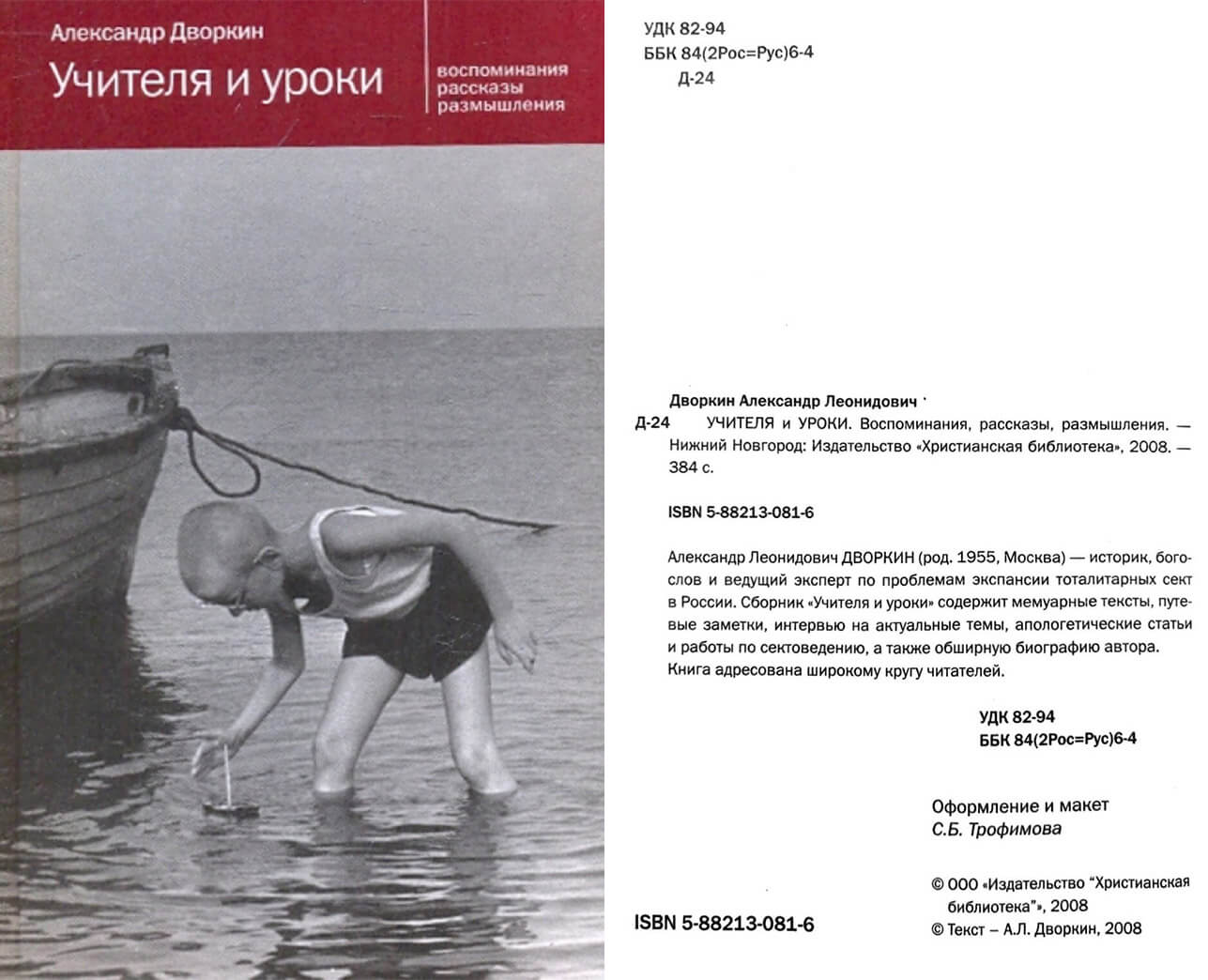
1. Autobiographical book by A.L. Dvorkin, “Teachers and Lessons. Memories, Stories, Reflections.” Nizhny Novgorod: Christian Library, 2008.9
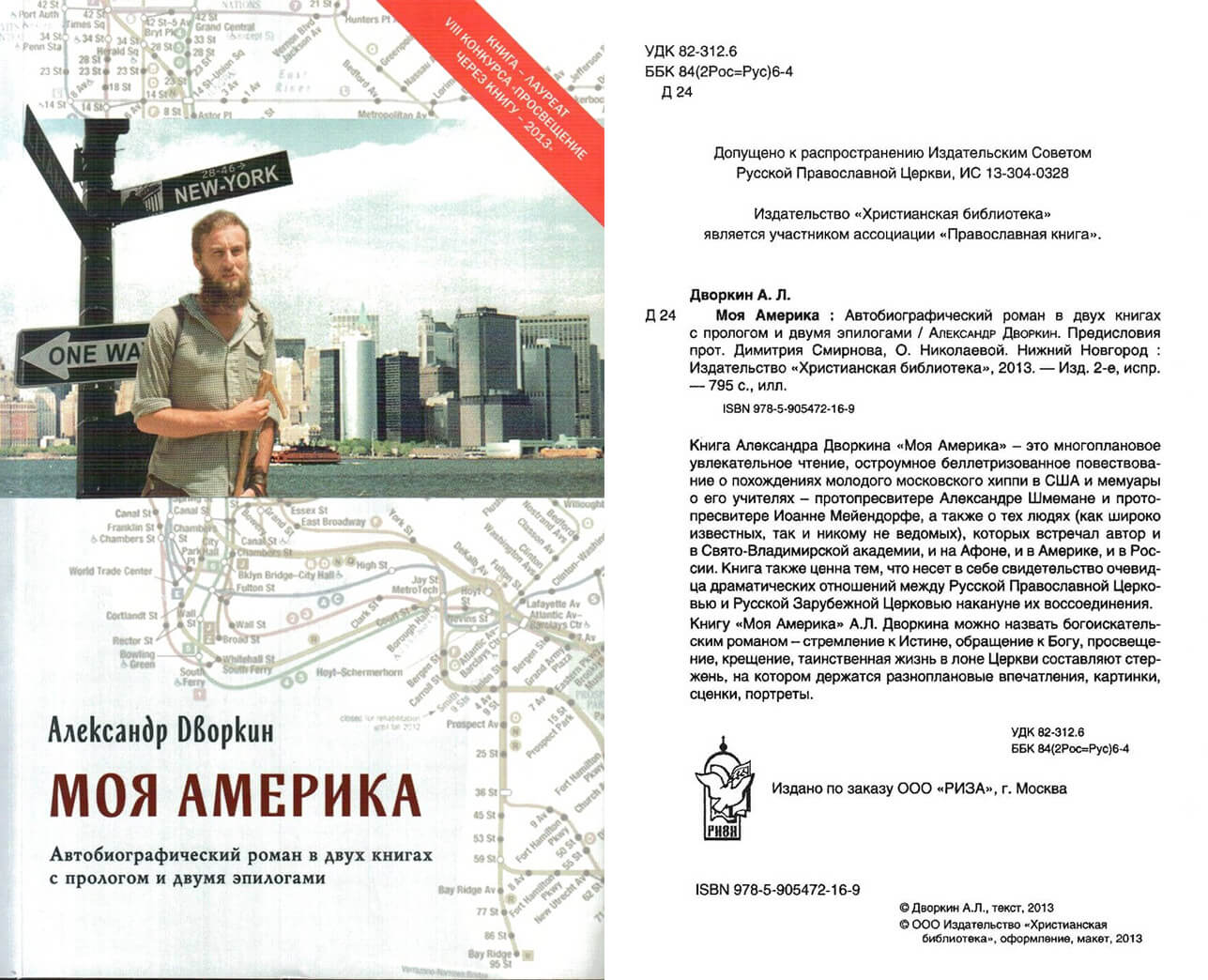
2. Book “My America” by A.L. Dvorkin: An autobiographical novel in two volumes, with a prologue and epilogues. Nizhny Novgorod: Christian Library Publishing House, 2013. 10
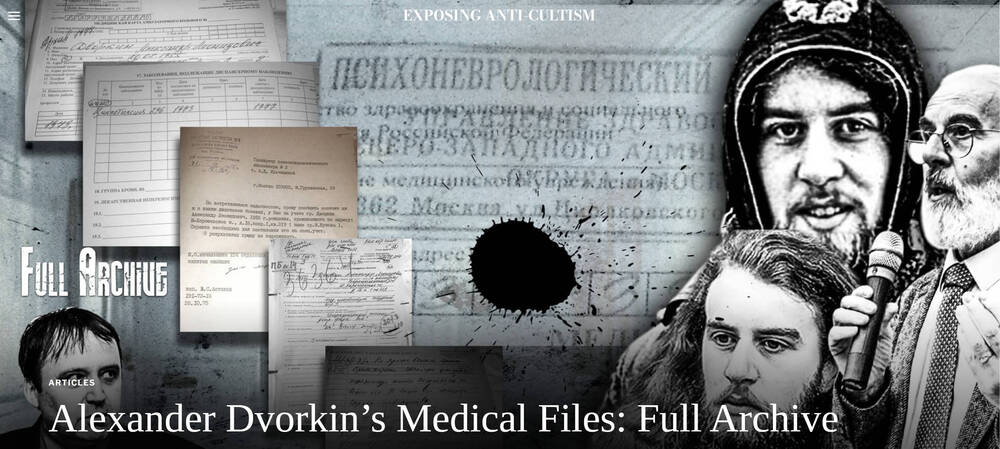
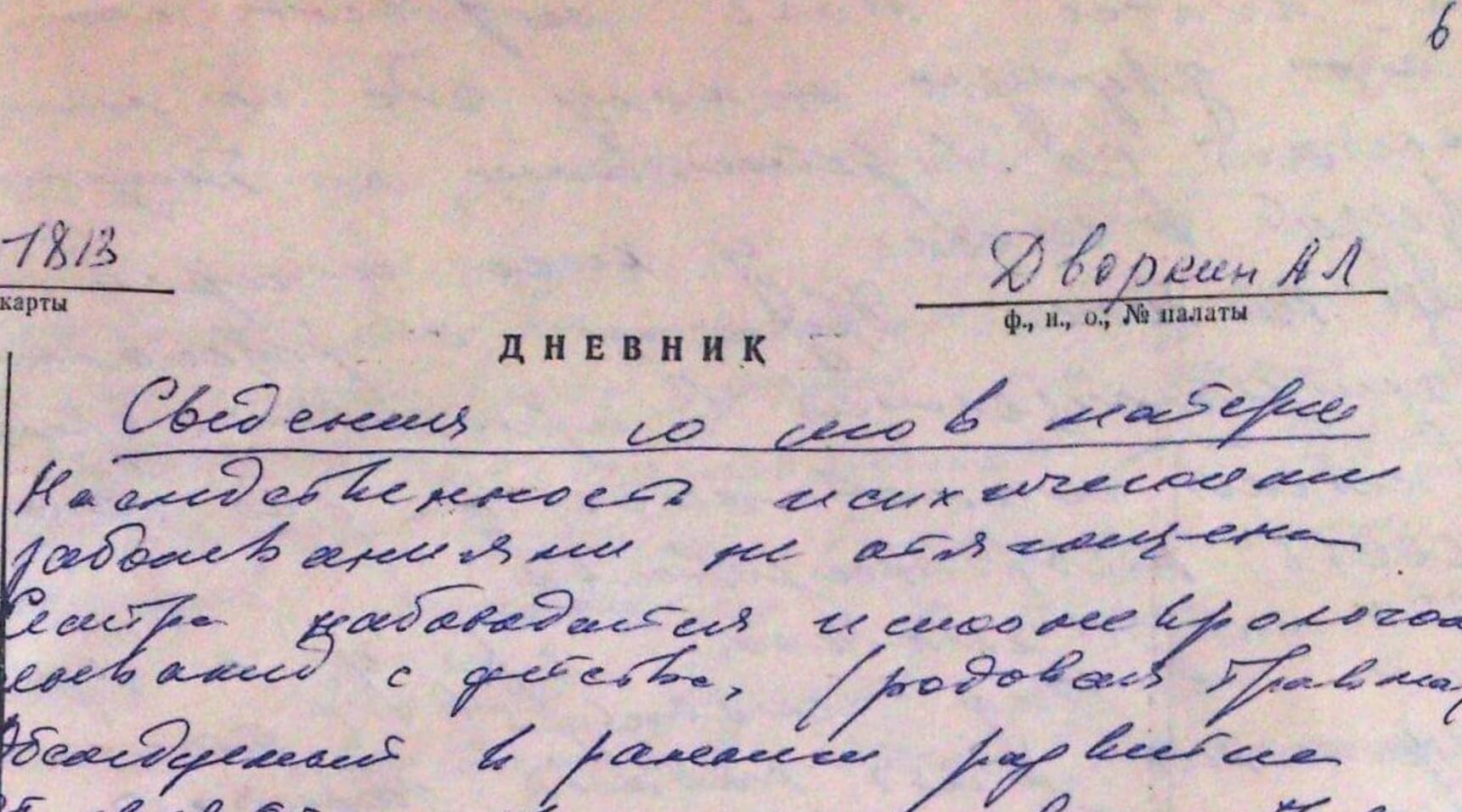
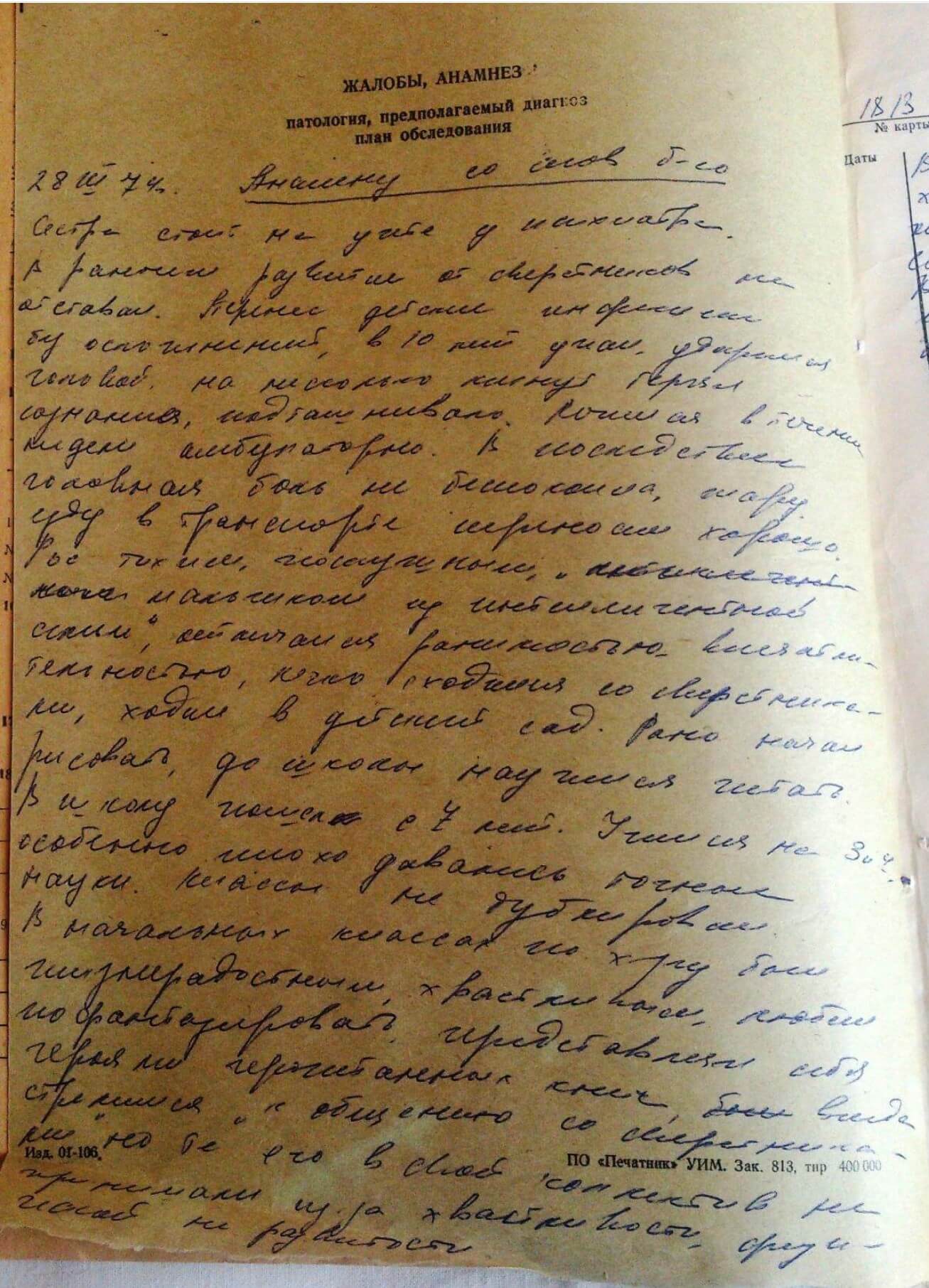
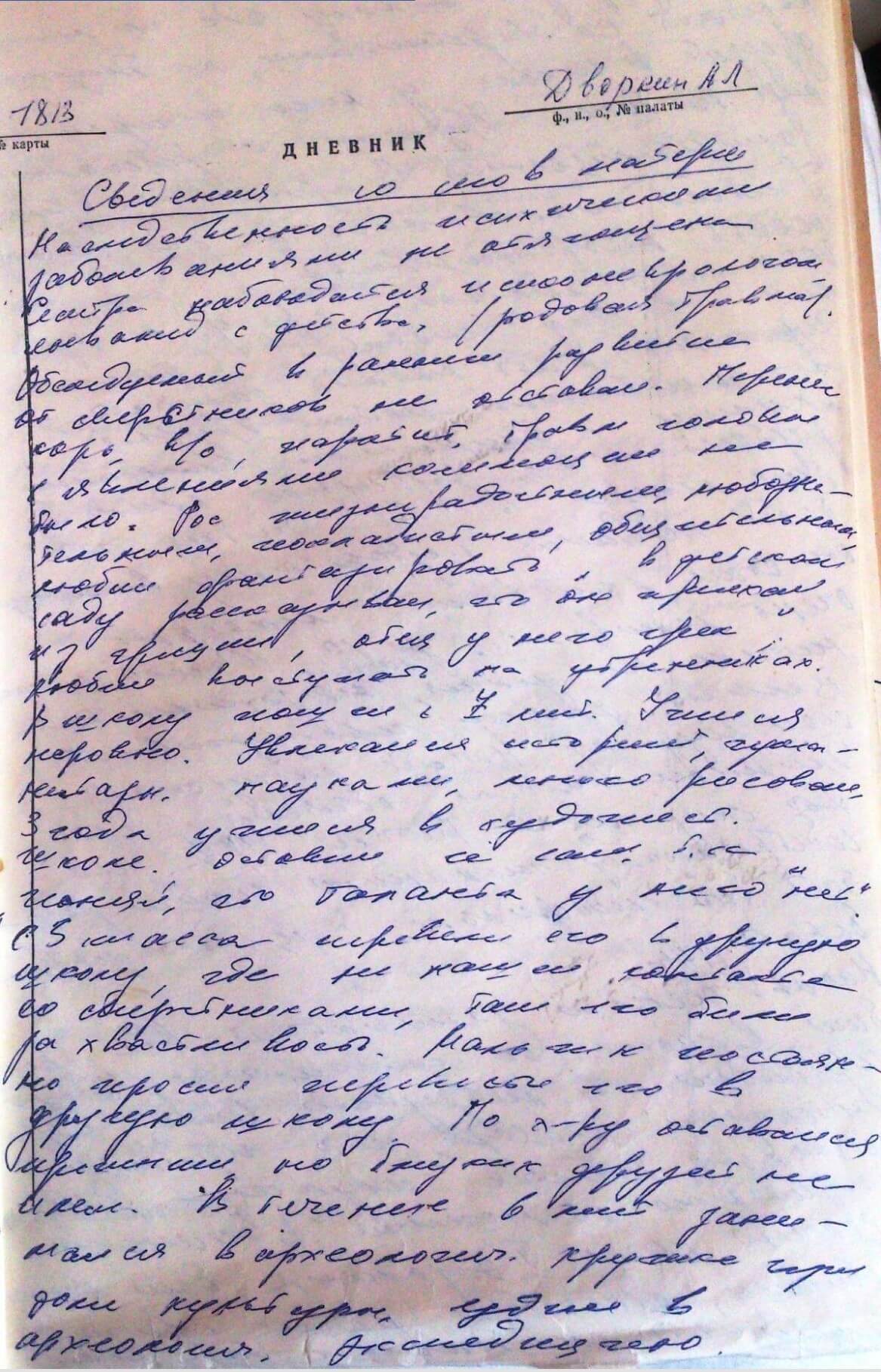
3. Article “Alexander Dvorkin’s Medical Files: Full Archive”
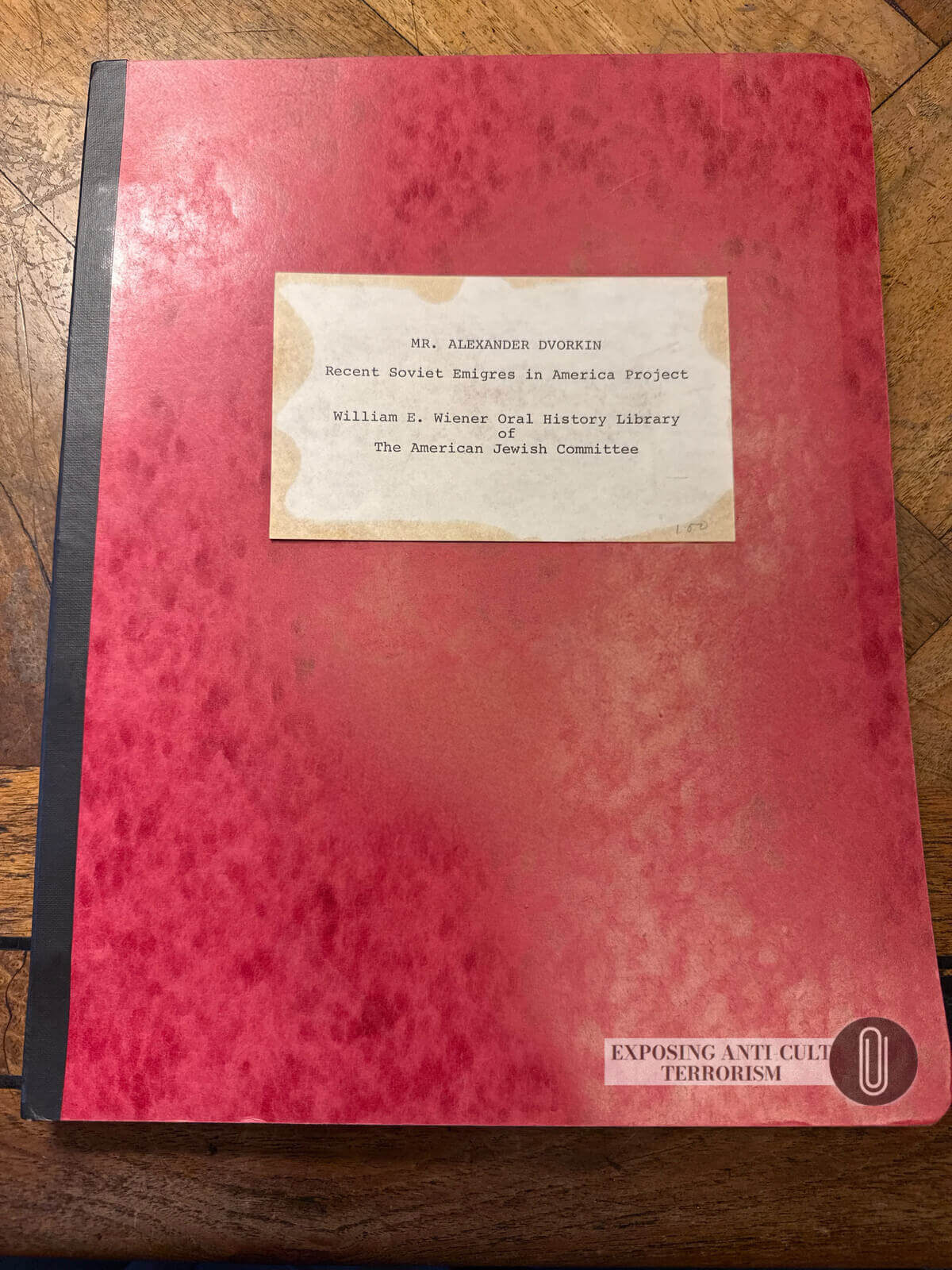
4. A 1979 interview with Alexander Dvorkin for the project “Recent Soviet Immigrants in America.” Interviewer: Lynn Visson (June 19–20, 1979). William E. Wiener Oral History Library of the American Jewish Committee. New York Public Library (NYPL) Research Libraries.11
5. Book “Kalalatsy” by Arkady Rovner — Moscow: “New Time” International Association of People of Culture, PSK Timan, 1990.12 Arkady Rovner’s novel “Kalalatsy” was first published in Paris in 1980 and is based on verbal accounts given by a young member of the Moscow System, Alexander Leonidovich Dvorkin.

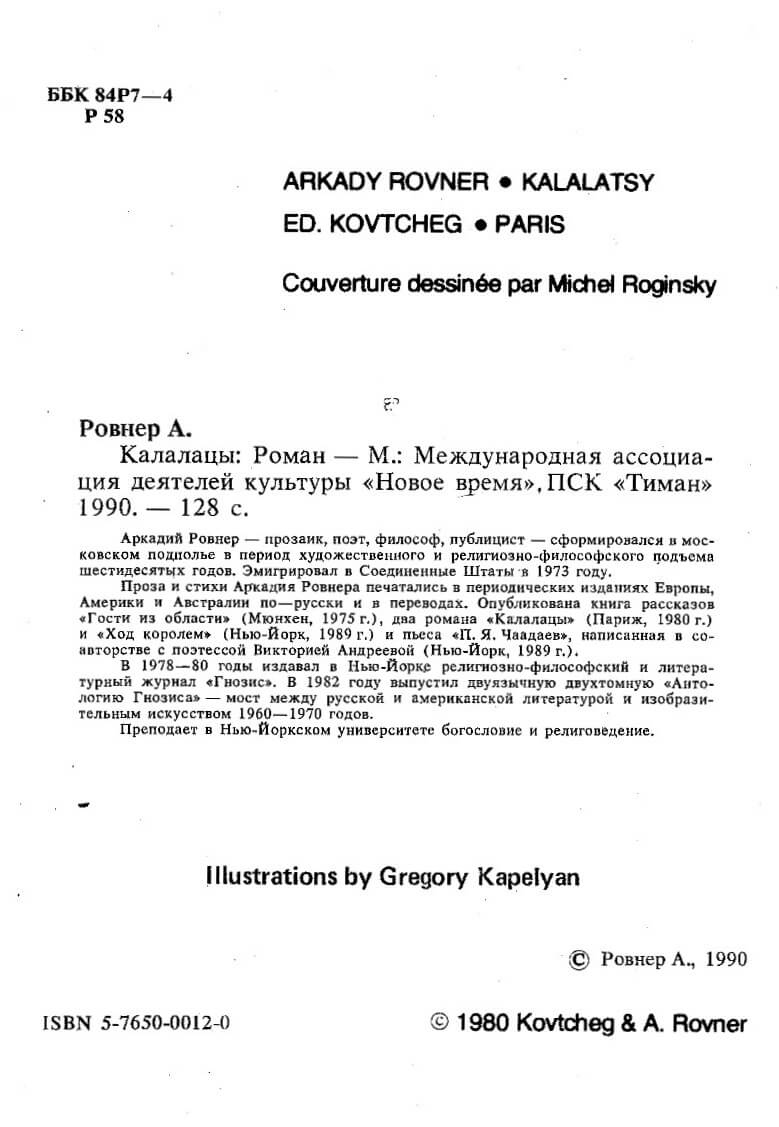
Here’s brief information on the author of the book “Kalalatsy”. Alexander Rovner is a renowned publicist, philosopher, and poet who has written for newspapers and magazines in Europe, America, and Australia.13
In 1973, he and his family emigrated from the USSR to the United States, where he subsequently taught theology and religious studies at New York University. From 1978 to 1980, he published the religio-philosophical and literary magazine Gnosis in New York. Alexander Dvorkin met Arkady Rovner in New York in 1979, when Dvorkin was still young and had emigrated from the USSR to the USA. Dvorkin confirms this fact in two of his books (“Teachers and Lessons: Memories, Stories, Reflections”, p. 25, “My America”, pp. 317, 351), referring to Rovner as “sort of a mentor,” “my former teacher” “Arkady Grodner.” In the book “My America,” Alexander Dvorkin changed Arkady Rovner’s name to Arkady Grodner, specifying in advance that: “All events in the book are real. Certain names have been changed” (“My America,” p. 41).
The context of this novel is the little-known Moscow life associated with a “System” of Soviet hippies and its hippie crowd of the 1960s–70s, which gathered for its hangouts, hitchhiked across the country, experimented with drugs, led promiscuous sexual lives, and was engaged in an intensive religious search.
In the context of psychological analysis of Alexander Dvorkin’s biography, Arkady Rovner’s book is of particular interest. As already noted, the book “Kalalatsy,” written from the oral account of Alexander Dvorkin, was published by Arkady Rovner in Paris in 1980 when Dvorkin was 25 years old. In this book, the young Dvorkin is described under the pseudonym Kostya Lopukhov. The book contains many elements: speech, dreams, ways of thinking, behavior, motivation, and fragments of biography, not only of the character Kostya Lopukhov, but also of other characters in the book, which correspond to and are confirmed by information from Alexander Dvorkin’s autobiographical books written almost 30 years after the publication of “Kalalatsy.”
Additional Supporting Materials:
Acta samizdatica / Notes on Samizdat: Almanac: Issue 2(3). Compiled by E. N. Strukova and B. I. Belenkin, with the participation of G. G. Superfin. Moscow: State Public Historical Library of Russia; International Historical, Educational, Charitable and Human Rights Society “Memorial,” 2015.14
Gordeeva, Irina A. “Freedom: Journal of the System”: From the history of the pacifist underground press in Russia. Research article. Gordeeva, Irina Alexandrovna, Ph.D., associate professor, Russian State University for the Humanities.
This article examines the life and activities of Yuri Popov (1954–1999), an artist and pacifist who was known in the circle of Soviet hippies as the Saboteur. He published the underground journal “Freedom” on behalf of the pacifist hippie organization “Free Initiative.” In the context of the article, the following is mentioned: “In Arkady Rovner’s novel ‘Kalalatsy,’ written on the basis of oral accounts about the Moscow System by its participant A. L. Dvorkin …”
Dvorkin himself also repeatedly mentions the hippie Saboteur in his books (see: Dvorkin A. L. My America. Nizhny Novgorod, 2013. p. 93): “Among the notable loners, the most picturesque was probably Yura the Saboteur. He wore everything in black, which favorably set off his long, almost waist-length, light-colored hair. In his room, Yura had painted everything black: the floor, the walls, the ceiling, and even the sheets. Unlike us, the Saboteur was not a pacifist; on the wall opposite the bed, he hung a homemade poster reading ‘Let the machine gun work’ and enjoyed discussing the military history of the Third Reich. At the same time, he adhered to strict vegetarianism and even fed his black cat plant-based food, occasionally treating her to milk…”
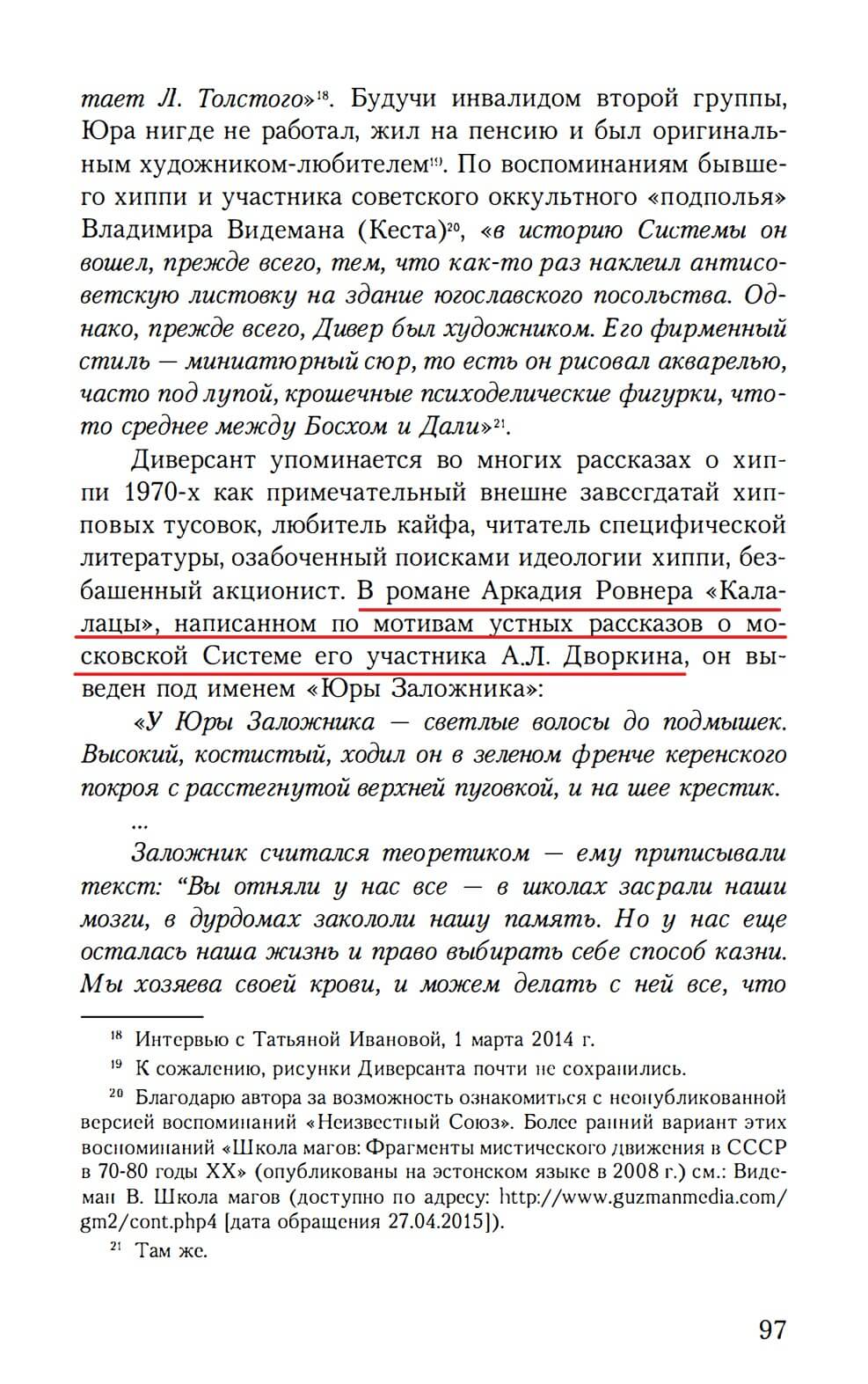
“The Saboteur is mentioned in many stories about hippies of the 1970s as a remarkable-looking habitual visitor to hippie parties, a lover of getting high, a reader of specific literature, preoccupied with the search for hippie ideology, and a reckless actionist. In Arkady Rovner’s novel “Kalalatsy,” based on oral accounts of the Moscow System by its participant AL Dvorkin, he appears under the name “Yura the Hostage”: “Yura the Hostage had light hair down to his armpits. Tall and bony, he wore a green Kerensky-style jacket with the top button undone and a cross around his neck.”
The Hostage was considered a theorist. He was credited with the text: ‘You took everything from us: you fucked up our brains in schools and destroyed our memories in madhouses with injections. But we still have our lives and the right to choose how we will be executed. We are the masters of our own blood, and we can do with it whatever we want — poison it with drugs or pour it over fences’.”
Source: 14
Childhood
“Behavior reflects personality. The best indicator of future violence is past violence. To understand the ‘artist,’ you must study his ‘art.’ The crime must be evaluated in its totality. There is no substitute for experience, and if you want to understand the criminal mind, you must go directly to the source and learn to decipher what he tells you. And, above all: Why + How = Who.”
John Douglas and Mark Olshaker “Mindhunter . Inside the FBI’s Elite Serial Crime Unit.”7
The story of Alexander Dvorkin is a clear illustration of how personal childhood trauma and mental disorders in childhood and adolescence can transform into an ideology of hatred in adulthood. His latent sadism and pathological hatred of people did not arise out of nowhere. In childhood, living under the conditions of Soviet reality, Alexander Dvorkin experienced a destructive combination of excessive pride and emotional neglect, family collapse, and humiliation. Such psychological wounds inflicted at an early age often become fertile ground for the emergence of a thirst for revenge, aggression, and a desire for absolute control over others.
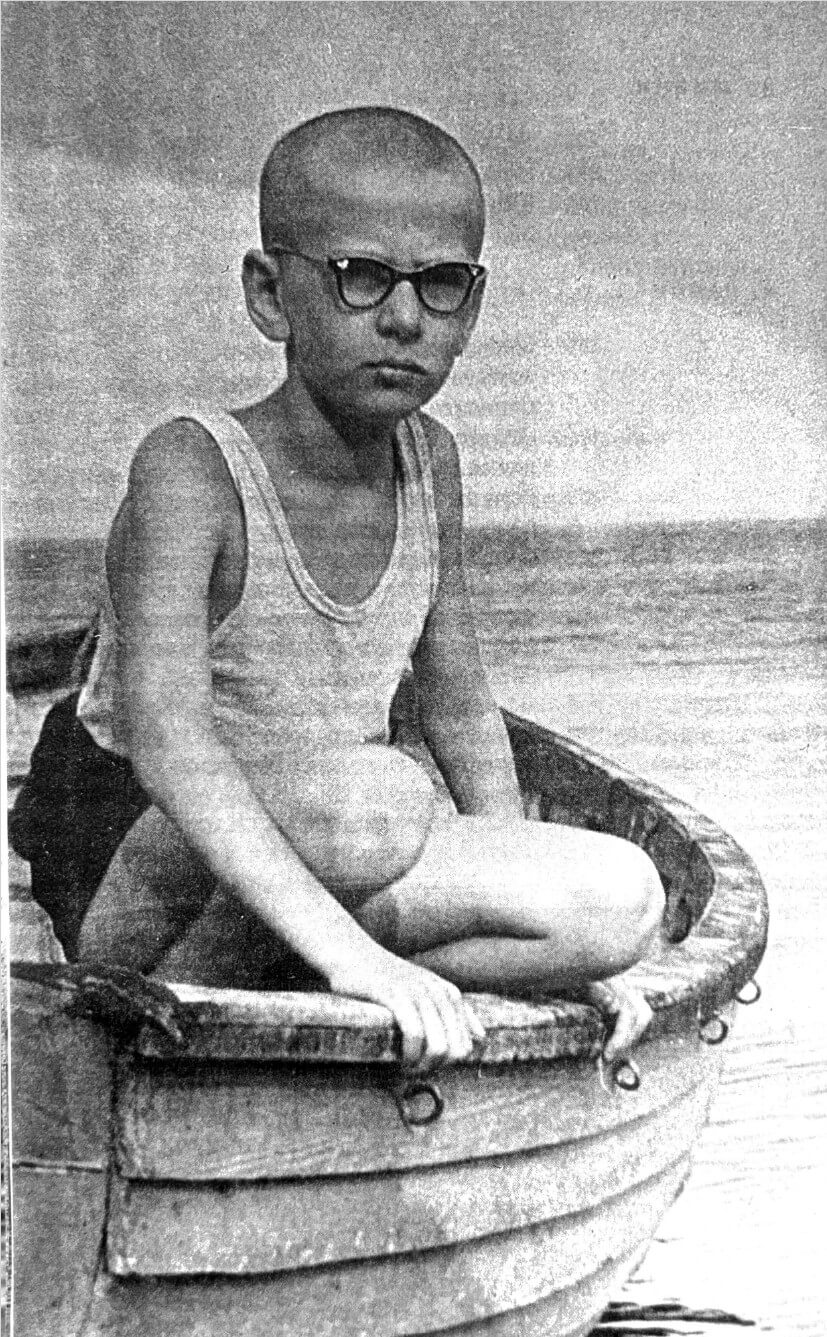
Dysfunctional family and childhood trauma. Alexander Dvorkin was born on August 20, 1955, in Moscow, which was the capital of the USSR at the time. His mother, Bronislava Zinovievna Bukchina (1924–2014), was a native of Belarus. She was a candidate of philological sciences, an associate professor, and worked in the Department of Modern Russian Language and Speech Culture at the Institute of Russian Language of the USSR Academy of Sciences.9
In a 1979 interview for the “Recent Soviet Immigrants in America” project, Alexander Dvorkin provides the following details about his mother:
“Q. To get back to the older generation for a minute, did your parents have any experiences with anti-Semitism or problems during the war because of that?
A. Yes. My mother was born in Ukraine and… Well, actually she was born in Byelorussia, but she lived in Ukraine in a small town with her uncle who was the one who circumcised children and killed animals.
Q. Ritually to make them kosher.
A. Yes. So she was brought up in a religious family. She wasn’t religious herself. But when the war broke out, she got into a ghetto, and then her uncle and aunt were shot. She was shot too, but she survived and was taken by one Ukrainian family to their home, and they hid her for three years until the Soviets got back. So that was her experience.”


In Alexander Dvorkin’s book “Teachers and Lessons: Memories, Stories, Reflections,” he mentions that from second through eighth grade, he “enjoyed spending summers in a Ukrainian village on the border of Vinnytsia and Odesa regions. A family of schoolteachers lived there who had once sheltered my mother during the German occupation.” “I grew to love this large, hospitable family of five children with all my heart. They became like my own, as did Ukraine itself… Back then, not even in my worst nightmares could I have imagined that this land would one day be declared a foreign country.”9

Dvorkin has a sister who is four years older than him. In his autobiographical book, Dvorkin calls her Evgenia. In the book “Kalalatsy,” she appears under the name Darya. Dvorkin’s medical records mention that his older sister had been treated at a psychoneurological clinic since childhood, was registered with a psychiatrist, and had been disabled since childhood (birth injury).
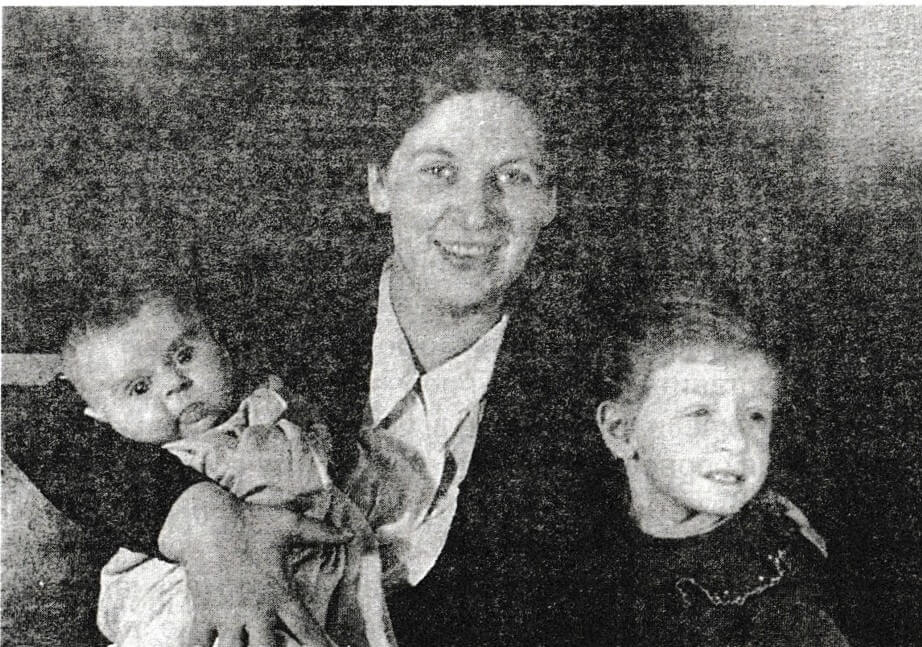
Father: Dvorkin’s parents divorced. His father didn’t live with the family.
In a 1979 interview for the “Recent Soviet Immigrants in America” project, the interviewer asked, “Did you have any trouble in applying for the visa?” Alexander Dvorkin replied:
“A. Well, my father wouldn’t give me permission, so I had troubles with getting that from him. He was divorced with my mother since I was twelve, but still… But finally I got it from him.”

In another segment of this interview, Dvorkin speaks about his father:
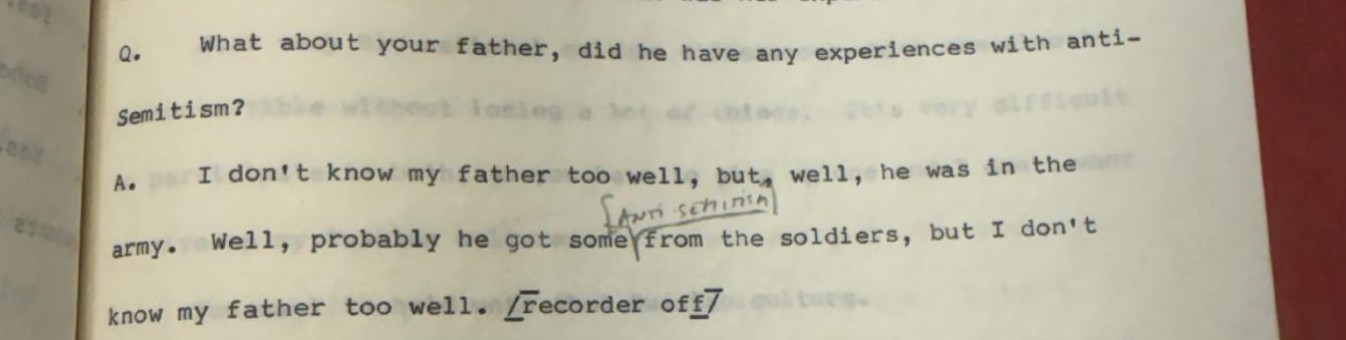
“Q. What about your father? Did he have any experiences with anti-Semitism?
А. I don’t know my father too well, but, well, he was in the army. Probably he got some anti-Ssemitism from the soldiers, but I don’t know my father too well. [recorder off]”
In Dvorkin’s autobiographical book “Teachers and Lessons: Memories, Stories, Reflections,” he mentions the following regarding his father:
— “My father worked as an engineer” (p. 9).
— “When the boy was 10 years old, his parents divorced; after that, Sasha and his sister were raised by their mother” (p. 10).
From Dvorkin’s autobiographical book “My America”: “…since my parents divorced when I was very young, I effectively grew up without a father” (p. 468).
Arkady Rovnev’s book “Kalalatsy” contains biographical information of Dvorkin’ (under the pseudonym Kostya Lopukhov):
THE SYSTEM (memoirs of Kostya Lopukhov)
“My mother wanted me to be an artist, and three times a week I went to art school. ‘Kostya,’ she said wearily and pitifully, ‘study hard, be diligent, I sacrificed my whole life for you.’ Two of my evenings were taken up by swimming and the archaeology club. I spent the rest of my evenings at my mother’s institute, where she pored over her microscope until midnight, while her colleagues solved school tasks for me and checked my homework.
I didn’t make it as an artist or an archaeologist. At school, I was bullied and tortured, and at the art school, I was ignored. I was shy around my mother and didn’t know my father; he didn’t live with us. I was ugly and awkward, with large flat ears sticking out ridiculously on my close-cropped head, and I blushed with embarrassment a hundred times a day.”

Authority figure with a criminal record
Their apartment often hosted the grandmother and grandfather, the father’s parents. Dvorkin presented his grandfather in his autobiographical book as someone who “was a Doctor of Economics, a professor.” However, at one point he was subjected to repression, and in 1955 he was released from detention camps and rehabilitated — a year and a half later. In his book “My America,” Dvorkin mentions: “My grandfather served a considerable sentence in a Stalin’s labor camp.” In the book “Kalalatsy,” the following clarification is provided: “He served his term for chemistry.” With a criminal record, Dvorkin’s grandfather couldn’t get a job in his field in Moscow. Therefore, he was forced to work as a senior economist at a cheese factory in the city of Uglich. According to information from Dvorkin’s book, his grandfather largely filled the role of his father. 9
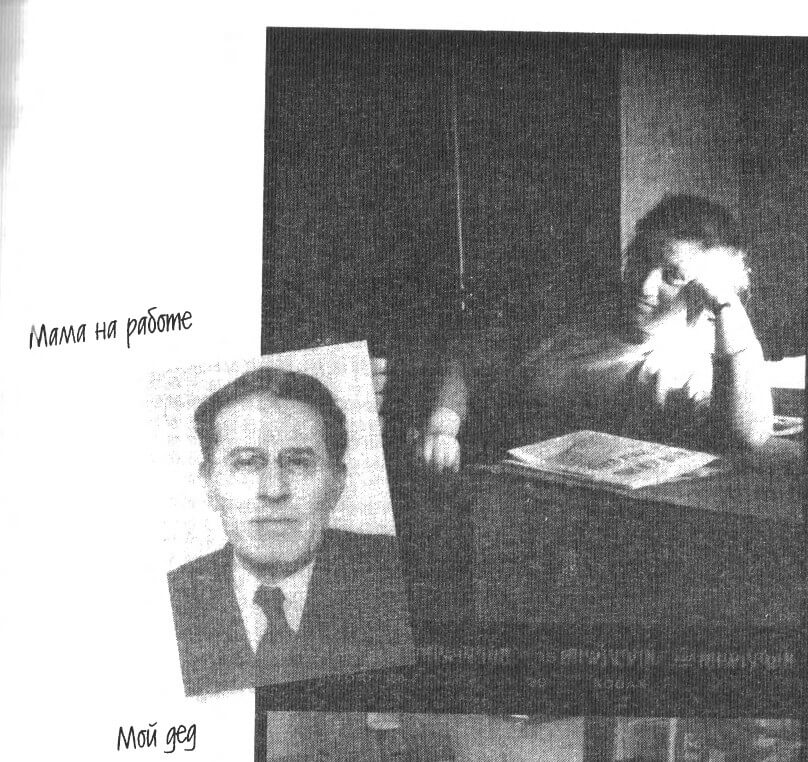
Information about Dvorkin’s grandfather and family relationships from the book “Kalalatsy”:
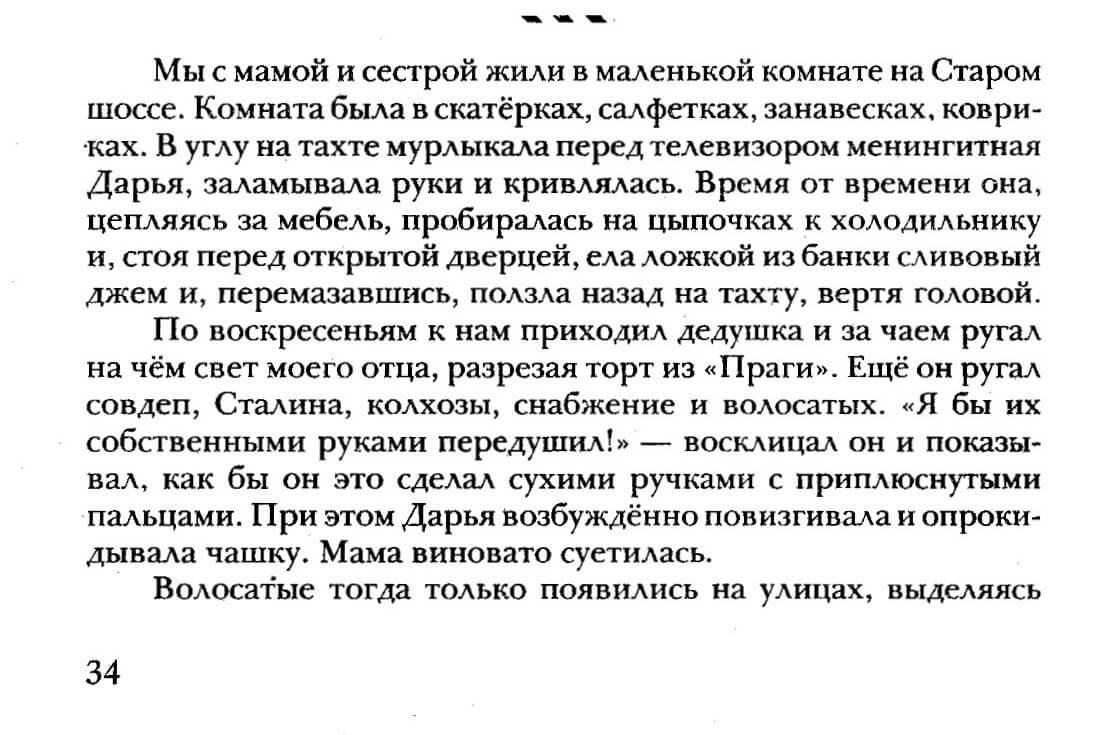
“My mom, my sister, and I lived in a small room on the Old Highway. The room was full of tablecloths, napkins, curtains, and little rugs. In the corner, on a sofa, meningitic Darya purred in front of the TV, wringing her hands and making faces. From time to time, clinging to the furniture, she tiptoed to the refrigerator, stood in front of the open door, ate plum jam from the jar with a spoon, and then, smeared all over, crawled back to the sofa, turning her head from side to side.
“On Sundays, my grandpa would come to visit us and, over tea, rant and rave about my father, cutting up a Prague cake. He also ranted about the Soviet government, Stalin, collective farms, food supplies, and long-haired hippies. ‘I would strangle them with my own hands!’ he exclaimed, demonstrating how he would do it with his bony arms and flattened fingers. To that, Darya squealed excitedly and knocked over her cup. Mom bustled about guiltily.”
“Grandpa was a principled man. He served his term for chemistry. (Stalin said we didn’t need chemistry, while grandpa held a different view). He was released under Khrushchev. He disowned his son, my father, for abandoning our mom and us. Long-haired hippies bothered him most of all. ‘I understand,’ he said, lifting a spoon smeared with cream, ‘they are a product of social decay, but then they should have publicly destroyed themselves — at least that would bring a public benefit’.”
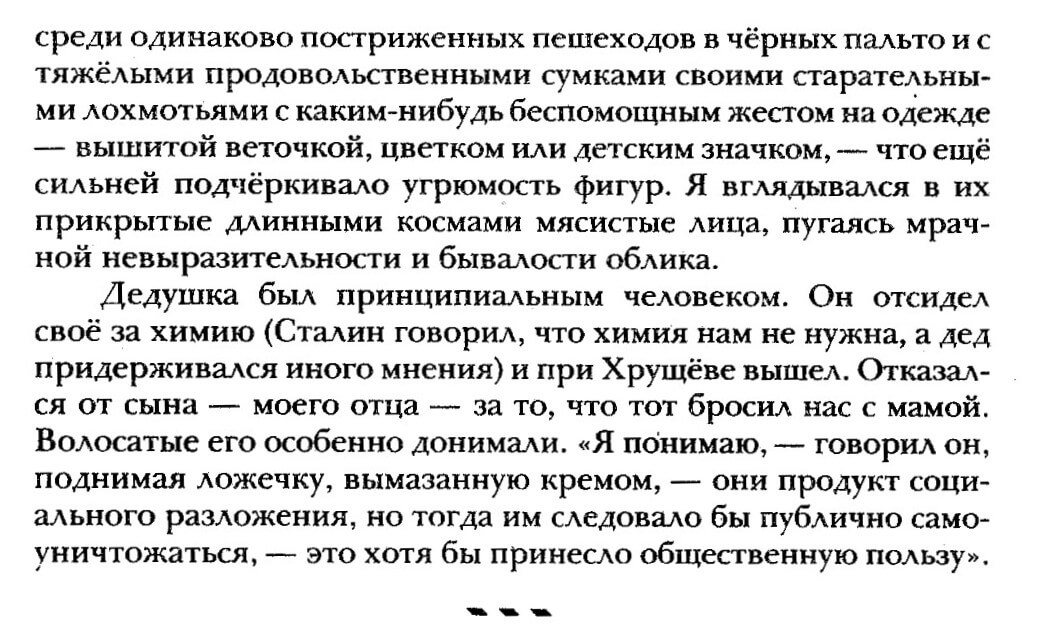
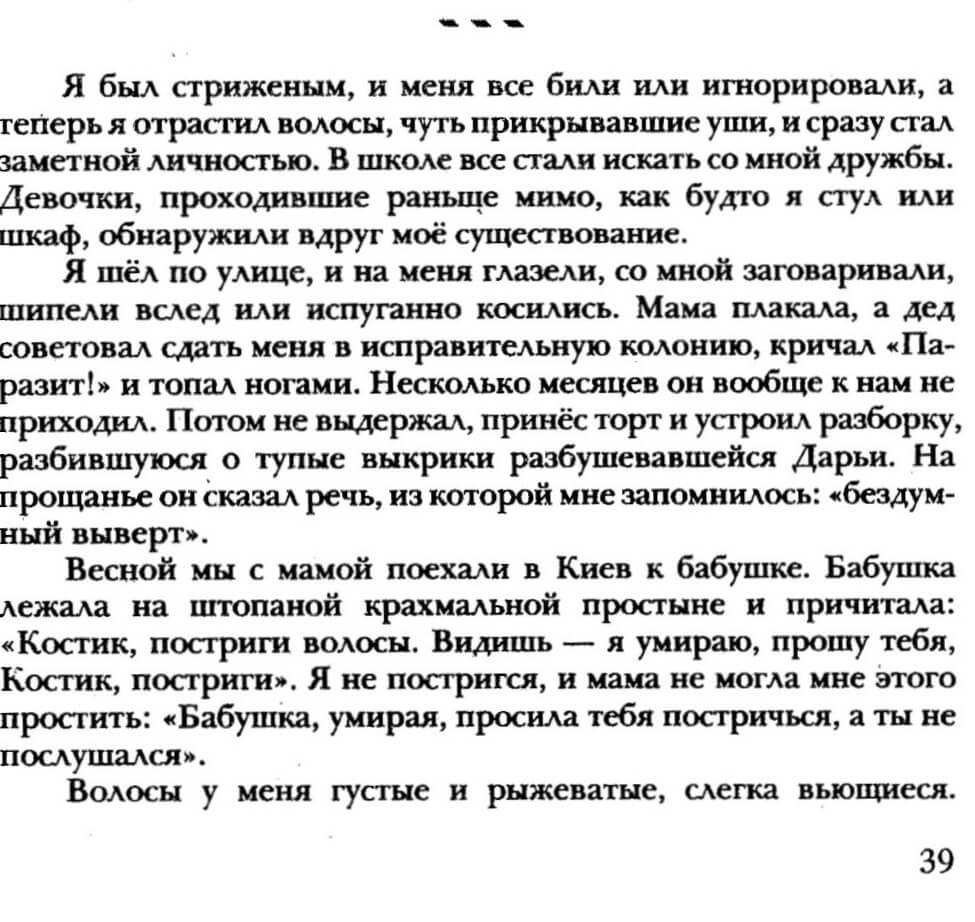
“I was close-cropped, and everyone either beat me up or ignored me. Then I grew my hair out, just covering my ears, and immediately became a noticeable figure. At school, everyone started seeking my friendship. Girls who had previously walked past me as if I were a chair or a wardrobe suddenly discovered my existence.
“I walked down the street, and people stared at me, talked to me, hissed after me, or looked at me sideways in fear. Mom cried, and Grandpa advised sending me to a corrective labor colony, shouted ‘Parasite!’ and stomped his feet. For several months, he didn’t come to see us at all. Then he couldn’t take it anymore, brought a cake, and started a fight that was cut short by dull shouts of the enraged Darya. As he was leaving, he delivered a speech, from which I remembered one phrase: ‘a thoughtless perversion’. ”
“In the spring, mom and I went to Kyiv to see grandma. Grandma lay on a patched, starched sheet and wailed: ‘Kostya, cut your hair. You see I’m dying, I’m asking you, Kostya, cut it.’ I didn’t cut it, and mom could not forgive me for that: ‘Grandma, as she was dying, asked you to cut your hair, and you didn’t listen’.”
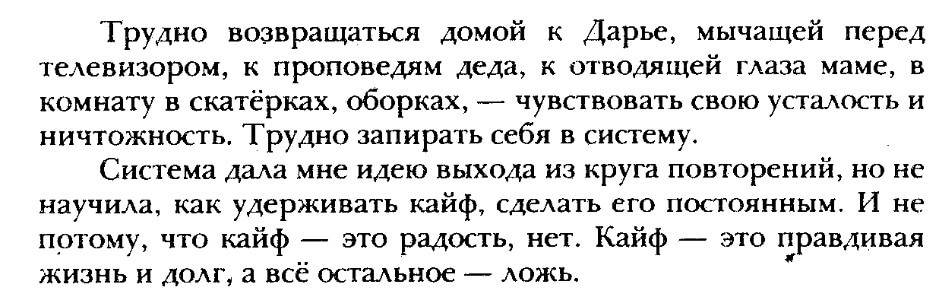
“I burst out of the room where Darya, the TV, and the fighting were, onto the street, and there I was, rushing, not knowing where, and happy to be free. Until someone reminded me with a harsh hiss, with mockery. Then I would snap back as usual. It was easy to fight back. I felt the system behind me — our air.”

“It’s hard to return home to Darya mooing in front of the TV, to my grandfather’s sermons, to my mother averting her eyes, to a room full of tablecloths and laces — to feel my fatigue and insignificance. It’s hard to lock myself into the system. The System gave me an idea of how to break out of the cycle of repetition, but it didn’t teach me how to sustain the high, how to make it permanent. Not because the high is joy, no. The high is truthful life and duty, while everything else is a lie!”
To summarize the key points from the above, the conditions in which Alexander Dvorkin grew up and was raised were as follows:
- An absent parent (father). His parents divorced when he was 10 years old.
- His sister was a disabled person under observation at a psychoneurological clinic since childhood.
- His grandfather had a criminal record and actively participated in raising his grandson, using methods of suppression and manipulation.
In other words, the emotional trauma of an absent father, the stigmatization associated with the grandfather’s criminal record, and the presence of a mentally ill sister created an extremely dysfunctional family environment, similar to the cases of severe childhood adversity where serial criminals grew up, as described by profiler John Douglas and his colleagues.
Let’s examine the characteristics of a dysfunctional family and the psychosocial consequences for a child’s development in such an environment. This analysis enables the reconstruction of the origins of Alexander Dvorkin’s destructive style of thinking and dysfunctional behavior during his childhood and youth. What are the mechanisms that draw an individual into criminal activity? What motives, childhood psychotraumas, and unresolved affective conflicts shape the formation of criminal behavior? What threat and social danger do such criminal subjects pose to people in their immediate environment?
Numerous works and studies in psychiatry and criminal psychology indicate that the atmosphere in dysfunctional families with unhealthy patterns of communication and behavior, including incessant conflicts, unstable emotional states of adults, mutual neglect, and abuse, has a largely negative impact on family members. Even behind a seemingly successful facade, such families have complex psychological mechanisms of destructive relationships that primarily affect children. Extremes during family conflicts, emotional outbursts, lack of empathy, understanding, and compassion toward some family members amid support for others with “special needs,” injustice, disrespect, high levels of jealousy, conflicts over marital status (parents’ divorce), hatred, cruelty, and fear — all of this hostile atmosphere creates conditions for the development of psychological problems, addictions, violence, or maladaptive behavior in children.
Control and manipulation, poor communication, abuse (physical, emotional, or sexual violence), neglect, substance abuse, drug addiction, and mental illness among family members — all of this can lead to long-term psychological consequences for children. In such dysfunctional families, kids may develop mental health problems, difficulties with emotional regulation, attachment trauma, and low self-esteem.15
In such families, signs of unhealthy parenting are often evident. These include, for example, frequent ridicule, humiliation, instilling hostility in a child toward the other (or an absent) parent, along with dogmatism; destructive and narcissistic relatives who are fixated on order, prestige, and power, and impose total control over the child through manipulation by fear. Or they manipulate through devaluation (“You can’t do anything right!”). Manipulation through shame, through hypocrisy (a parent teaches a child to do one thing while doing the opposite). Condemning statements or demonization (“You’re a liar!”). Excessive power over siblings, given the differences in age and level of psychological maturity, and much more.
What consequences can this lead to? Growing up in a dysfunctional family has many negative consequences for a child, including the formation of dysfunctional behavior. For instance, such a teenager may develop mental health problems, including possible depression, anxiety, and suicidal thoughts. He’ll be more susceptible to addictions, including chemical dependencies (such as alcoholism and drug addiction, especially if parents, siblings, friends, or acquaintances were also substance-dependent). He may take on the role of a “persecutor,” intimidating and causing distress to other family members (including a sister or brother), or, conversely, assume the role of a “victim,” depending on the circumstances. Such individuals more often commit sexual offenses, including pedophilia. This is confirmed, for example, by research documented in the article “Cycle of Child Sexual Abuse: Links Between Being a Victim and Becoming a Perpetrator” (authors: M. Glasser, I. Kolvin, D. Campbell, A. Glasser, I. Leitch, S. Farrelly). This study was conducted using a retrospective analysis of clinical case histories of patients who attended a specialized center for forensic psychiatric therapy. 16
Growing up in such conditions in dysfunctional families, adolescents often become inveterate egoists who think only of themselves and experience anger, anxiety, and isolation from other people. Due to emotional abuse in childhood, they may have speech disorders, become distrustful, or even paranoid. At an early age, they run away from home. They experience problems with academic performance and low self-esteem, and struggle to build healthy relationships with their peers. When they grow up, they cruelly “get back” at their parents and authoritarian relatives, “switching places with them.” They project the dysfunctional behavior they learned in such a family onto other relationships, including relationships with friends, acquaintances, and their own children. They may turn to religion, and not for the sake of religion itself, but rather to find recognition they never had at home, or to adopt other beliefs (philosophical or religious) that are fundamentally different from what they were taught before. They may demonstrate self-harming or self-destructive behavior, including the risk of suicide. They commit offenses of varying degrees of severity.
In their books “Mindhunter” and “Journey Into Darkness,” John Douglas and Mark Olshaker mention that, according to their analysis and research, many criminals (serial killers, rapists, and sadists) were raised in childhoods full of emotional abuse and were subjected to mistreatment at home. “On a psychological level, our research seems to show that men from abusive backgrounds often come out of the experience hostile and abusive to others…”.17 They note that the classic childhood of a maniac or serial killer is a broken, incomplete family without a father and with a domineering mother prone to overprotection. Subsequently, this stimulates them to take action and commit antisocial acts or crimes in order to prove to the entire world that they are not a loser. And despite the fact that their childhood is usually terrible, this by no means implies that their psyche has recovered years later. As a result, in adulthood, their aggression often turned into uncontrolled outbursts of rage, acts of violence, and the commission of crimes. Some ended up in psychiatric clinics and were registered for exhibiting socially dangerous behavior.
In the book “Mindhunter,” John Douglas and Mark Olshaker write: “Our research has shown that virtually all serial killers come from dysfunctional backgrounds of sexual or physical abuse, drugs or alcoholism, or any of the related problems.” 7
Social isolation and identity problems. Kindergarten. School
Alexander Dvorkin attended kindergarten from the age of 3. According to medical records, since childhood, Dvorkin had been particularly vulnerable and susceptible. He grew up as a quiet and obedient boy. He was boastful by nature and enjoyed fantasizing. He enjoyed performing at school events. As a child, he often lied, claiming that he had come from Greece and his father was Greek, and later stating that he was Native American.


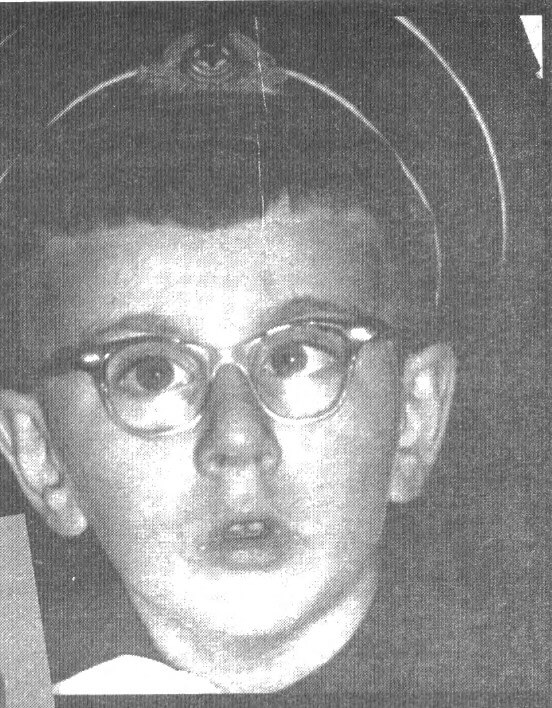
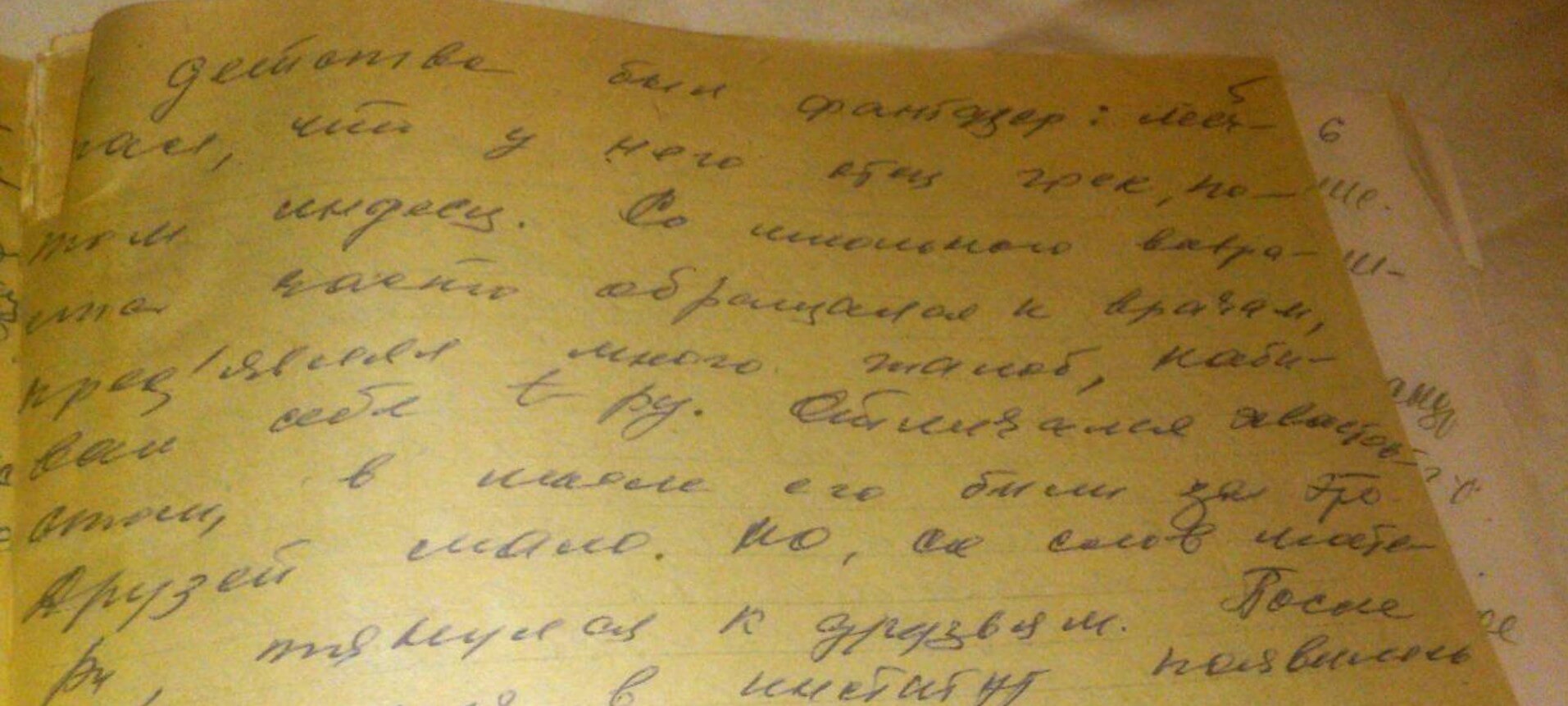
In 1962, at the age of 7, Sasha (Alexander) Dvorkin enrolled in School No. 25 in Moscow. His grades were C/B. He had particular difficulty with exact sciences. He disliked math. He was fascinated with history. Teachers complained about his lack of focus and organization. He imagined himself as characters in the books he read. He wanted to socialize with his peers, but they didn’t accept him into their group because of his boastfulness and physical immaturity. He was known for being boastful and was beaten at school for that. He had few friends and no close friends.
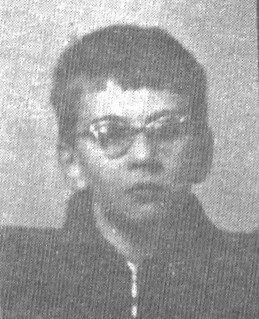
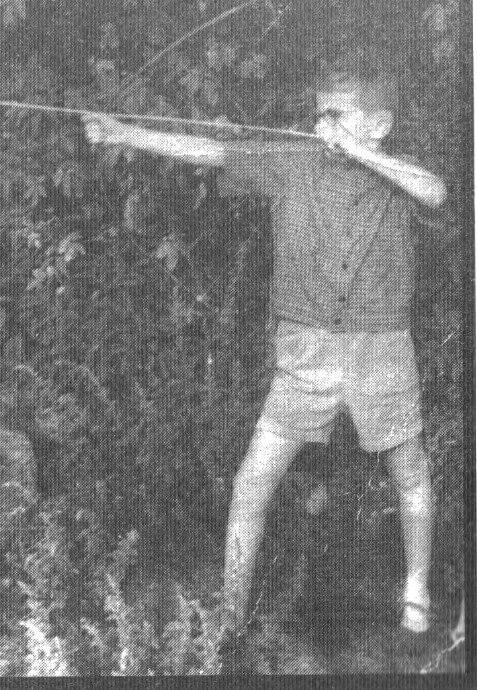
Incidentally, due to his unsociable character, Alexander Dvorkin subsequently changed several Moscow schools (he asked his mother to transfer him): No. 25 (grades 1 and 2), No. 91 (from grade 3), and No. 112 (from grade 7).
Alexander Dvorkin’s medical records state: “From grade 3, he was transferred to another school where he couldn’t connect with his peers and was beaten for his boastfulness. The boy constantly asked to be transferred to another school. His character remained the same, but he had no close friends.”

From school age, Alexander Dvorkin often sought medical attention, complained a lot, and faked fevers. His medical history indicates that at the age of 10, he fell, hit his head, and lost consciousness for several minutes. Dvorkin himself mentions in his book “My America” (p. 76) that he had a concussion in childhood: “I remembered the concussion I had suffered as a child, gathered medical certificates, and went to see doctors.”
Hobbies. From the second grade, at the age of 8, he began attending art school on Prechistenka Street in Moscow, but later dropped out due to his unsociable and sensitive nature. In high school, he participated in an archaeology club at the Pushkin Museum of Fine Arts. There was a brief period when Dvorkin tried to go in for sports (swimming and sambo), but “came to the conclusion that it was better to perfect the mind rather than the body.”

Critical incident: Psychological trauma at the age of 8
There was one more significant event — an incident in Alexander Dvorkin’s childhood — that clearly had a strong influence on the formation of his personality, beliefs, and behavior. After the second grade, at the age of 8, Dvorkin attended a summer camp, and this experience proved to be extremely negative for him. Since then, Dvorkin disliked collectivism and everything associated with it. Dvorkin mentions this in his book “Teachers and Lessons. Memories, Stories, Reflections”: “After the second grade, Sasha went to a summer camp, but the experience of living ‘under the horn and drum’ proved to be extremely negative for him, and since then Dvorkin disliked collectivism and everything associated with it.” He also writes about this in his book “My America”: “The only time I went to a summer camp as a child, I climbed over the fence and ran away after two weeks.”
What level of stress received at the camp would be required for this kind of fear and “sharply negative experience” to force an 8-year-old obedient boy from the capital city to climb over a fence and run away? Such behavior may indicate that he experienced an acute stress or traumatic event. Whether young Sasha Dvorkin experienced physical violence at the camp as happened at his school, or severe collective sexualized violence accompanied by public humiliation, remains unknown. But if we assume that the incident became a traumatic sexualized contact for Sasha Dvorkin, it could subsequently have contributed to the formation of maladaptive cognitive schemas, reenactment of a traumatic scenario in behavior, and development of patterns associated with control, manipulation, and violence. At the very least, Dvorkin’s subsequent behavior and a number of his behavioral markers in adulthood point to the possible presence of such a fact in his early biography, which is consistent with the typical consequences of early sexual trauma described in criminological literature.18
In his book “Profilers,” John Campbell writes about murderers: “It appears that the childhood physical and sexual abuse experienced by these offenders was manifested in their preference for fantasy life… One begins to understand how an early pattern used to cope with an unsatisfactory family life might turn a child away from reality and into his own private world of violence where the child can exert control. The control of the fantasy becomes crucial first to the child and later to the man. These are not fantasies of escape to something better, as one often sees in children recovering from sexual assaults and abusive treatment… Rather, their energies were funneled into fantasies of aggression and mastery over other people, suggesting a projected repetition of their own abuse and identification with the aggressor. As one murderer stated, ‘Nobody bothered to find out what my problem was and nobody knew about the fantasy world’.” 19
The role of childhood abuse as one of the key risk factors that can lay a foundation for the formation of serial violent behavior and lead to aggressive thinking should not be underestimated. According to a study conducted by H. Mitchell and M. Aamodt (2005) 20 among male serial killers who experienced abuse in childhood (physical, sexual, or psychological), on average, 50% of offenders reported experiencing psychological abuse in childhood, 36% were subjected to physical abuse, and 26% experienced sexual abuse in childhood. These traumas are directly associated with subsequent crime typologies and specific actions at the crime scene, such as torture, excessive violence, prolonged killing, and so on.
In their book “Journey Into Darkness,” John Douglas and Mark Olshaker write: “Like the boy abused by his grandfather who got in trouble with the law, many child molesters were themselves victims of some form of abuse as children. While this doesn’t excuse their behavior, it illustrates the cycle of victim / victimization we see over and over again. As Peter Banks puts it, walk into a police department and look at the names of children in the abuse / exploitation files. Then look in the files of juvenile delinquents. Finally, look in the files on prostitution and violent crimes. You’ll find many of the same names in all three. Although not every abused child ends up in the later files, virtually everyone who does get there started out as an abused child. They may be future victimizers (of children and / or adults)…” 17
This combination of conditions and circumstances — an unsociable personality, health problems, family breakdown, feeling of abandonment, and constant humiliation — became an explosive mixture in the mentally unstable boy. Under such conditions, a child learns not to love but to take offense and seek revenge; not to trust but to suppress and dominate; not to seek dialogue but to instill fear and inflict suffering on others. This is how the worldview of a future criminal and sadist takes shape, where a person becomes convinced: “Other people are a source of danger,” “to survive means to make others fear me,” “violence against others is the only way to survive,” “others deserve only contempt and punishment.” This is precisely how a sadist is born — someone who knows no pity, provokes conflict, and feeds on domination over others. Someone who is subconsciously oriented toward destruction and gravitates toward a pathological obsession with possessing power.
Social isolation in childhood and adolescence often becomes a foundation for the formation of pathological cognitive mindsets. An individual who experiences persistent difficulties with socialization in childhood and youth often develops distorted notions of power, control, and interpersonal relationships. Social isolation becomes a fertile environment for the formation of stable pathological fantasies. Such an environment fosters development of deep distrust toward any form of external authority, including institutional, parental, and religious (divine) authority, which, taken together, can create preconditions for subsequent maladaptive or violent behavior.
In criminological literature, individuals with pronounced antisocial patterning, including those with traits of sadism and psychopathy, often demonstrate a reduced capacity for cognitive and emotional empathy. Such a person perceives others as a threat and a source of pain and therefore convinces himself that the only form of survival is power and violence. Such a subject often disregards moral principles, rules, and laws. He frequently deceives and manipulates others to achieve his goals without experiencing remorse. A belief that people are unworthy of his respect and love and should experience only pain and suffering turns into a worldview axiom. It is within this logic that an individual is formed who derives pleasure from humiliating others, from destruction and fear.
It is important to emphasize that, as John Douglas and Mark Olshaker note, most serial violent offenders have a history of severe childhood trauma, but this doesn’t absolve them of responsibility for their actions. “In all my years of research and dealing with violent offenders, I’ve never yet come across one who came from what I would consider a good background and functional, supportive family unit. I believe that the vast majority of violent offenders are responsible for their conduct, made their choices, and should face the consequences of what they do.” 7
Read the full report.
Source:
1. https://www.fbi.gov/news/stories/serial-killers-part-2-the-birth-of-behavioral-analysis-in-the-fbi
2. https://www.fbi.gov/how-we-investigate/behavioral-analysis
3. https://psycnet.apa.org/record/1988-97582-000
4. Hazelwood, R. R., & Douglas, J. E. (1980). Lust murderer. FBI Law Enforcement Bulletin, 49(4), 1–13.
5. https://en.wikipedia.org/wiki/John_E._Douglas
6. https://en.wikipedia.org/wiki/Robert_Ressler
7. Douglas, John E., Mark Olshaker. Mindhunter: Inside the FBI’s Elite Serial Crime Unit. New York: Scribner. 1995. ISBN 978-0-671-01375-2
8. Ressler R., Burgess A., Douglas J. Criminal Profiling Research on Homicide. Unpublished Research Report. N.Y., 1982
9. https://web.archive.org/web/20260318131018/https://www.labirint.ru/books/240384/
10. https://web.archive.org/web/20260318125959/https://fb2.top/moya-amerika-813075
11. https://archive.org/details/alexander-dvorkin-interview-june-19-1979/mode/2up
12. Book “Kalalatsy” by Arkady Rovner — Moscow: “New Time” International Association of People of Culture, PSK Timan, 1990.
13. http://web.archive.org/web/20260318123749/https://arkadyrovner.ru/index
14. Acta samizdatica / Notes on Samizdat: Almanac: Issue 2(3). Compiled by E. N. Strukova and B. I. Belenkin, with the participation of G. G. Superfin. Moscow: State Public Historical Library of Russia; International Historical, Educational, Charitable and Human Rights Society “Memorial,” 2015. https://imwerden.de/pdf/acta_samizdatica_zapiski_o_samizdate_vyp2_2015__ocr.pdf
15. Kaslow, Florence W. (January 1996). Handbook of Relational Diagnosis and Dysfunctional Family Patterns. Wiley-Interscience
16. https://pubmed.ncbi.nlm.nih.gov/11731348/
17. John Douglas and Mark Olshaker, “Journey Into Darkness”
18. (Douglas, J. E., & Ressler, R. K. (1988). Sexual Homicide: Patterns and Motives).
19. John H. Campbell. (2004). Profilers. https://www.thetedkarchive.com/library/john-h-campbell-profilers-leading-investigators-take-you-inside-the-criminal-mind-book#toc61
20. H. Mitchell and M. Aamodt (2005) https://link.springer.com/article/10.1007/BF02806705