According to autobiographical accounts, in late spring 1976, Alexander Dvorkin resigned from his position as an orderly in the trauma intensive care unit at Moscow City Hospital No. 67. In his book, Dvorkin told readers that the reason for his resignation was that he had allegedly received a call-up invitation from abroad for permanent residence in Israel. However, he then clarified that he had shown the invitation to “relatives and friends and put the letter in a back drawer. This was in early spring 1976.”
It should be recalled that during his time working as an orderly, there were frequent patient deaths (“…I still felt deeply affected by each of the very frequent deaths in our unit.” Book “My America,” p. 97 1). Immediately prior to his resignation, according to Dvorkin, “he had to go into the enemy’s lair — the local police station” (ibid., p. 101) because he “lost his passport and had to get a new one.”
“Then I met Tolik-Winnetou who had long since disappeared from my horizon. He told me that he was leaving for America on an Israeli visa and asked whether he should send me an invitation. Without even thinking, I agreed — why not, especially since the proposal sounded more than abstract.
But suddenly, a couple of months later, I pulled from the mailbox a defiantly foreign-looking, long white envelope with a transparent window revealing my address. The invitation had arrived. I was being summoned for permanent residence in Israel by someone who called himself my relative. The name resembled nothing familiar — it was not even clear whether the sender was a man or a woman.”


It should be noted that Alexander Dvorkin resigned after a night shift at the hospital. In his book, he describes an episode that occurred during that final shift: late at night, he entered the assembly hall and “wrote-scratched an obscene word on the plaster forehead of the white bust of the Leader of All Working People” (ibid., pp. 101–102). This account indirectly indicates that Dvorkin’s night shifts took place without witnesses, which created conditions conducive to committing acts that would not be immediately detected.
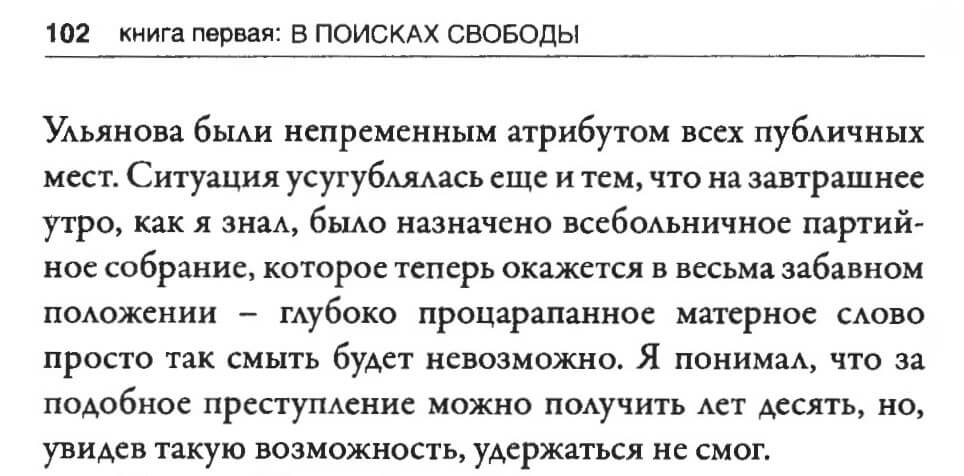
Following this act of hooliganism, Dvorkin explains his motive for why he so quickly left Moscow and embarked on a hitchhiking journey: “I realized I could be sentenced to ten years for such a crime, but seeing such an opportunity, I couldn’t restrain myself” (ibid., p. 102).
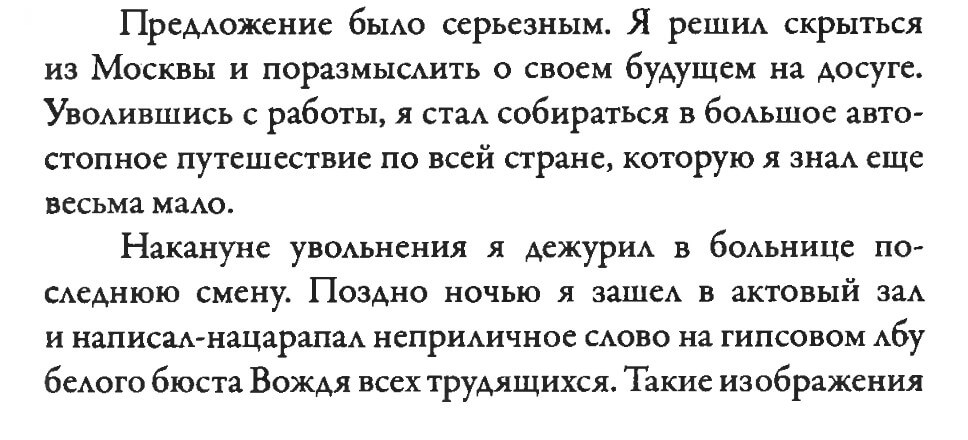
“The proposal was serious. I decided to disappear from Moscow and reflect on my future at my leisure. After quitting the job, I started preparing for a large hitchhiking trip across the entire country that I still knew very little about.
The day before I resigned, I was on duty at the hospital for my last shift. Late at night, I went into the assembly hall and wrote-scratched an obscene word on the plaster forehead of the white bust of the Leader of All Working People.” Such images of Ulyanov were an obligatory attribute of all public places. The situation was further aggravated by the fact that, as I knew, a hospital-wide party meeting was scheduled for the following morning, which would now find itself in a rather amusing position — the deeply carved profanity would not simply wash off. I realized I could be sentenced to ten years for such a crime, but seeing such an opportunity, I couldn’t restrain myself.”
Here it is necessary to clarify the historical legal context. In 1976, the Criminal Code of 1960 was in force in the USSR, with all amendments adopted up to that time. Under it, hooliganism (Article 206) or intentional destruction, demolition, or damage of historical and cultural monuments (Article 230) carried penalties of up to two years’ imprisonment, or corrective labor for the same term, or a fine.
By contrast, a sentence of 10-year imprisonment constituted the maximum penalty for a serious crime against a person, specifically intentional homicide (Article 103), or was standard for grave crimes against a person, in particular intentional homicide under aggravating circumstances (Article 102).
After that shift, Alexander Dvorkin, in his own words, “disappeared from Moscow;” “I decided to flee Moscow.” And then, for the next four months, he “went into hiding,” vagranting with his friend Dmitry Stepanov: “We left in mid-May and returned home in mid-September.”
However, the question remains open: for what specific crime did Alexander Dvorkin actually fear receiving a 10-year prison sentence, and what exactly prompted him to so hastily disappear from Moscow? Given the discrepancy between the actual criminal liability for the hooliganism he committed and his own assessment of the threat (“could be sentenced to ten years for such a crime”), his fear, hasty departure (by hitchhiking), and subsequent vagrancy, a possibility arises that the true reason for his flight was not the vandalism of the bust, but another, more serious act possibly committed the day before or during his final night shift.

“Hitchhiking Around Russia.
The entire journey took about four months: we left in mid-May and returned home in mid-September.”

In the summer of 1976, over four months of vagrancy described by Dvorkin as “hitchhiking trip,” he and his friend traveled both within Russia (RSFSR) and across several Soviet republics: Georgia, Ukraine, Moldova, Belarus, Estonia, Lithuania, and Latvia.
“Initially we headed to Tbilisi where two of my Georgian friends lived. I had befriended them two years earlier in Pärnu, and they had invited me to visit. The route would take us through Eastern Ukraine, Rostov, and then the Stavropol Krai.”

In Soviet-era historical criminological literature, vagrancy and parasitism were regarded as antisocial phenomena, often facilitating offenses ranging from fraud and petty theft to robbery, armed assault, and, in rare cases, homicide. Individuals without a permanent place of residence or address were traditionally considered a group posing an elevated criminogenic risk. The causes of vagrancy were seen as both socioeconomic — lack of housing, employment, and severed social ties — and individual, such as mental disorders as well as addiction and abuse of psychoactive substances, including drugs.
It was believed that prolonged existence in conditions of social isolation, combined with forced adaptation to a criminal milieu, created circumstances where certain vagrants exerted a corrosive influence on others, particularly youth, adolescents, and children, drawing them into begging, prostitution, alcohol and drug abuse, and criminal activity. At the time, the vagrant subculture was becoming an increasingly active channel for the spread of drug addiction and illicit trafficking. Among vagrants were people with sexually transmitted diseases, mental disorders, substance abuse problems, and individuals wanted by law enforcement, making this group potentially vulnerable and requiring special attention from law enforcement and social agencies.
If the question concerned wanted offenders, within the criminological framework of that time it is noteworthy that hitchhiking was viewed as one of the methods of criminal movement that created serious investigative difficulties: absence of documentary traces, use of false names and travel purposes, as well as selection of random drivers complicated the establishment of routes and suspects’ identities. In other words, suspects typically traveled in passing vehicles and provided false information about themselves and the purpose of their trip. Even when witnesses were available and they remembered such a passenger at all, their description was limited to general physical characteristics that made subsequent identification extremely difficult. Such mobility combined with anonymity and deliberate misleading of other people, allowed wanted individuals to remain unnoticed by law enforcement for extended periods of time.
In forensic literature, there exists a category of geographically mobile serial offenders. Research indicates that such individuals deliberately move across large territories in search of victims, and bodies are often left in remote or hard-to-reach locations. Importantly, their movements are driven not by a lack of potential victims in a particular district or region, but by their desire to complicate identification of serial patterns and detection of behavioral regularities, and to mislead the investigation, that is, to disorient law enforcement.
“Mobile serial offenders” frequently cross administrative or national borders, committing crimes in various jurisdictions. This significantly complicates case resolution, since investigations begin and are conducted at the location where the crime has been committed. As a result, the number of victims of such offenders may grow over long periods of time. Effective counteraction against such serial offenders and resolution of their cases requires interagency, interregional, and sometimes international cooperation among law enforcement units.
Legendary FBI profiler John Douglas, who co-authored the book “The Killer’s Shadow: The FBI’s Hunt for a White Supremacist Serial Killer” 2 with Mark Olshaker, describes in it the investigation of Joseph Franklin — one of the most dangerous psychopaths in his practice: “In evaluating crimes, we think about means, motive, and opportunity. Franklin was versatile and adaptable enough that he was able to shift his means and take advantage of diverse opportunities. His motive never changed. Looking back, the reign of terror that Franklin wrought was clearly far greater than anyone, including myself, could have initially imagined. One of the things we knew about Franklin when we first became aware of him was that he’d been a highly mobile killer. As it turned out, this had proven perhaps his greatest asset. He’d killed over such a large area, during such a broad stretch of time, that many of his crimes and methods had been difficult to link together definitively, given his different methods and victimology».
In the history of the Ministry of Internal Affairs (MIA) of the USSR in the 1970s, in the practice of operational law enforcement (militia), geographically mobile serial offenders were informally referred to as “touring offenders,” meaning individuals who committed crimes outside their place of residence or permanent location. When such a “touring offender” or a “gang of touring offenders” 3 appeared in a region, the transit nature of their travel and the frequent absence of witnesses significantly complicated investigations that lasted for years and required coordination of MIA forces across the entire Soviet Union.
In his autobiographical books and other open sources, as noted above, Alexander Dvorkin mentions that in 1976 he spent four months wandering across several republics of the USSR, specifically Russia (RSFSR), Georgia, Ukraine, Moldova, Belarus, Estonia, Lithuania, and Latvia. Later, after emigrating from the USSR, he periodically returned to a similar lifestyle, but already in the United States, European countries, as well as Türkiye, Israel, and other regions. In many of those hitchhiking tips, he travelled alone.
For example, let us cite several episodes that indicate certain details of such trips.
Episode 1
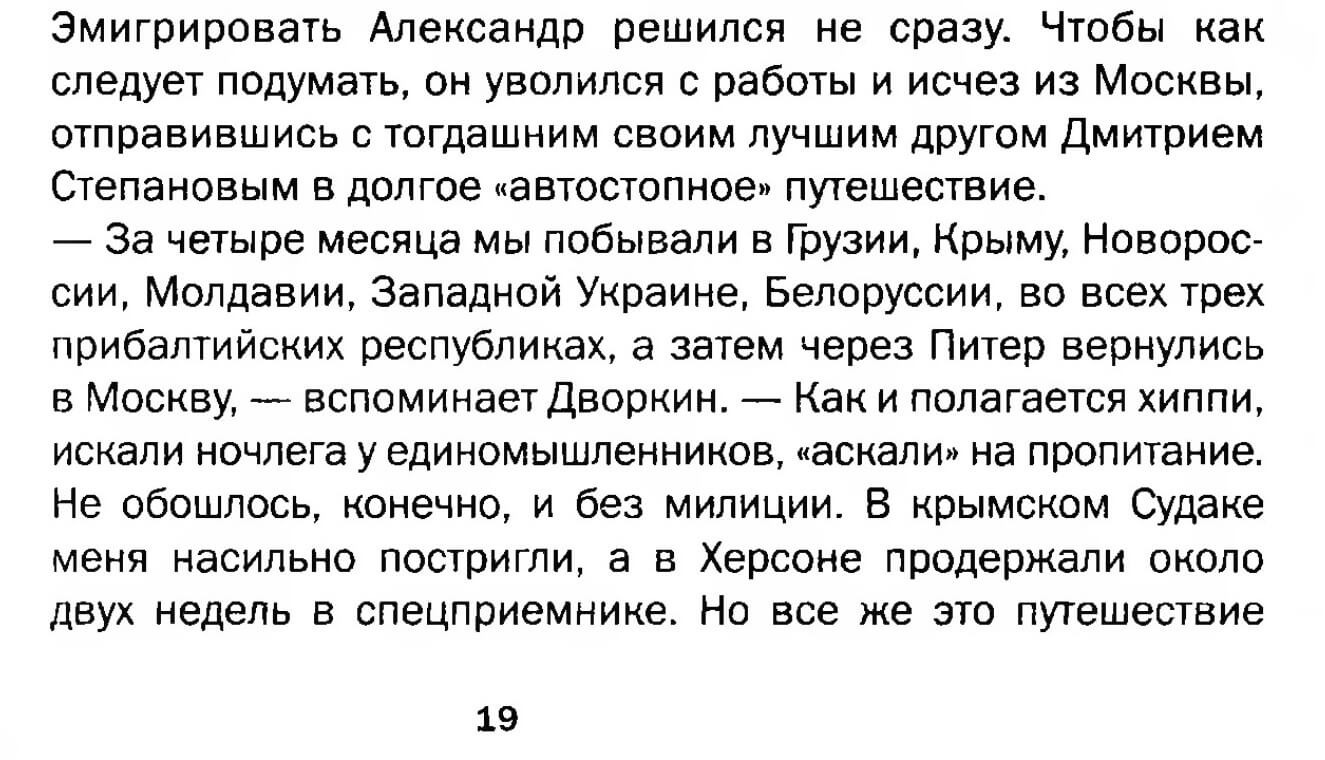
“Alexander did not immediately decide to emigrate. In order to think things through carefully, he quit his job and disappeared from Moscow, setting off with his then best friend Dmitry Stepanov on a long hitchhiking trip.
‘Within four months, we visited Georgia, Crimea, Novorossiya, Moldova, Western Ukraine, Belarus, all three Baltic republics, and then returned to Moscow via St. Petersburg,’ Dvorkin recalls. ‘As befits hippies, we sought lodging with like-minded people and begged for food. Of course, we couldn’t stay out of trouble with the police. In Sudak, Crimea, I was forcibly given a haircut, and in Kherson, I was held for about two weeks in a special detention center. But still, this trip brought a lot of positive experiences. For four months, my friend and I were left to our own devices, and our lives depended directly on our ability to communicate with people and win them over. This experience proved very useful to me later on. And, of course, I got to know my country and its national outskirts not just as a tourist, but through the people in whose midst I spent all this time. People of all kinds — from police officers to prisoners in a detention center, from long-distance truck drivers to members of the artistic bohemian community, from Carpathian peasants to Georgia’s “silver-spooners.” Later, during my years in exile, the memory of this long journey became one of my most precious treasures.”
Episode 2
During their period of vagrancy, Alexander Dvorkin and Dmitry Stepanov found themselves in the city of Kharkiv, Ukraine, where an incident occurred in a local cafeteria, described in the autobiography as follows:
“When at last we sat down to eat, some indistinct-looking man sat down at our table. He started questioning us in a fairly friendly way about who we were, why we looked the way we did, and what kind of life we lived. After our detailed answers, he suddenly changed his tone and hissed: ‘I’m a respectable bandit! I’m giving you half an hour. If I see you in Kharkiv after that time, I promise you won’t live!’.”
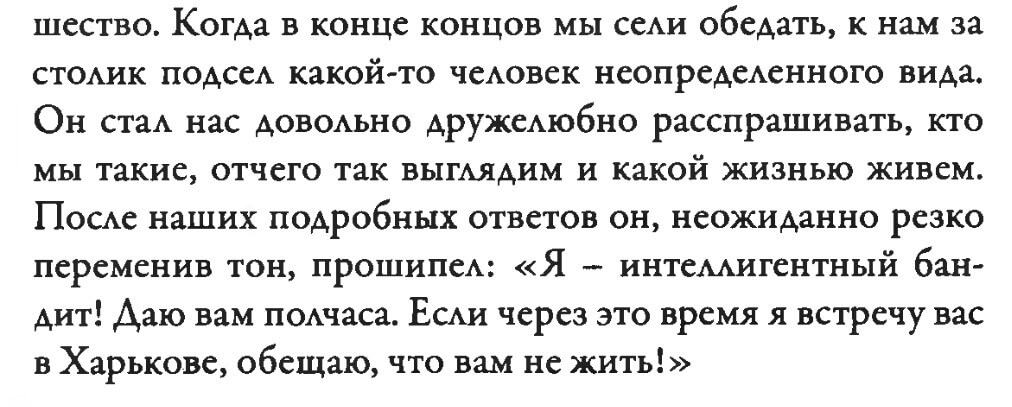
Clearly, this situational conflict was an accidental encounter between Alexander Dvorkin and his friend and a representative of the local criminal milieu who performed territorial surveillance functions. Most likely, relying on his experience, the man regarded them as potentially dangerous outsiders, marginals, or competitors (outside thieves, criminals, bandits, or “touring offenders”). In conditions where criminal groups of the 1970s sought to minimize external threats and maintain a monopoly on criminal activity in their district, such a reaction was typical.
The use of the phrase “respectable bandit” reflects a paradoxical code that existed in certain layers of the Soviet criminal subculture where aggression was combined with formal politeness and a threat with a preliminary “dialogue.” Granting half an hour to leave the city also corresponds to the practice of controlled expulsion.
Episode 3
Illegal harvesting of poppies and cannabis from private gardens.
“Usually poppies are grown on household land plots. Once I came across a plot where one half was planted with poppies and the other with cannabis. An old woman came out and began wailing: “Moscovites have come and are taking everything!”
I said to her, “Grandma, why do you need poppies?”
She was embarrassed and said: “For various reasons.” — “For food, perhaps?”
“Yes,” she said, “for food.”
“And what’s cannabis for?” — “For the same reason.”
Another time, a man came out and said, “I won’t give them to you. I need them for the same reason you do,” and he showed me his hand covered in puncture wounds.”

Episode 4
Boarding school for blind and visually impaired children in the city of Bălți (Moldavia, USSR).
Let us recall that in his book “My America,” Dvorkin mentioned that Alexander Rovner, while taking notes for his novel “Kalalatsy,” asked the young Dvorkin not only about his hippie life, but also inquired about the sexual side of his life with particular detail (“My America,” p. 233).
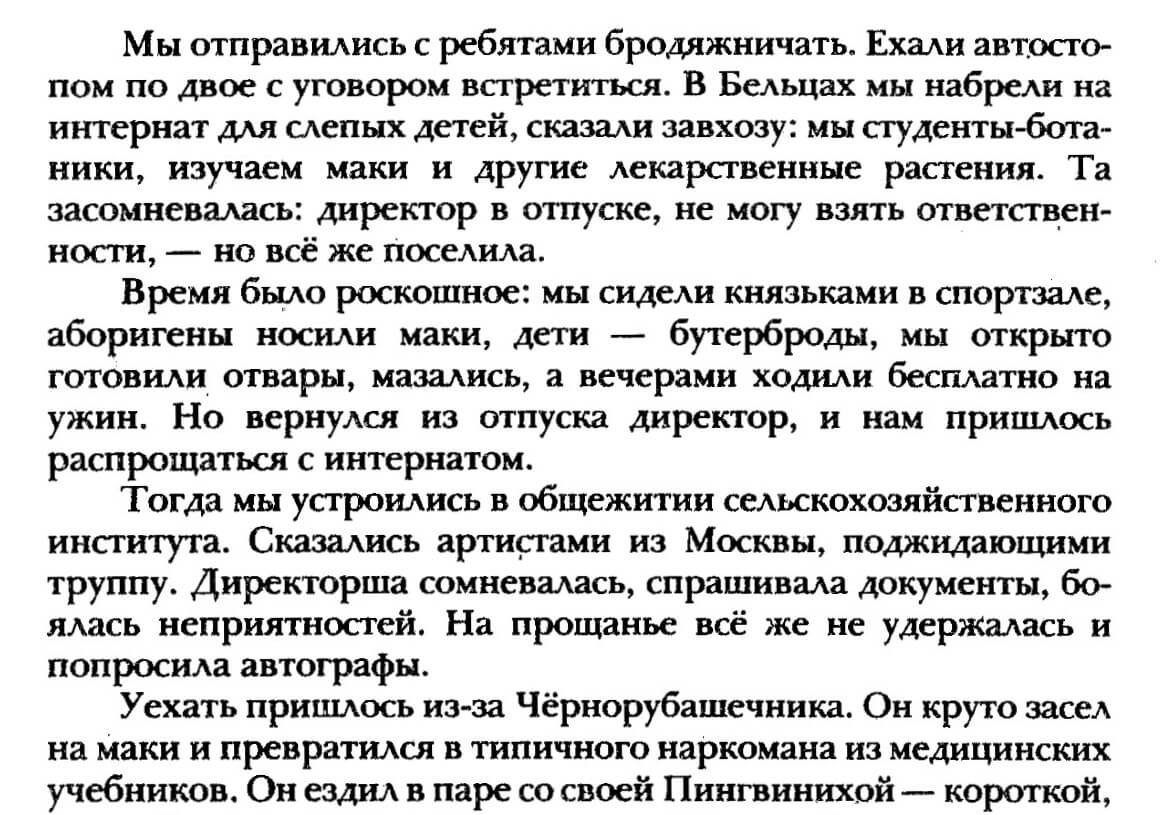
“Me and my buddies took off to bum around. We hitchhiked in pairs, agreeing to meet up later. In Bălți, we stumbled upon a boarding school for blind kids and told the caretaker we were botany students studying poppies and other medicinal plants. She was skeptical: the director was on vacation, and she couldn’t take responsibility, but she let us stay anyway.
“It was a luxurious time: we sat like princes in the gym, locals brought us poppies, children brought us sandwiches; we openly prepared decoctions and injected them, and in the evenings we went to dinner for free. But then the director returned from vacation, and we had to say goodbye to the boarding school.
“Then we settled in a dormitory of an agricultural institute. We said we were actors from Moscow waiting for our troupe. The director was doubtful, requested our documents, and feared trouble. At parting she still couldn’t resist asking for autographs. We had to leave because of the Black Shirt. He completely got hooked on poppies and turned into a typical drug addict from medical textbooks.”
Episode 5
Thirty years later, Alexander Dvorkin mentions a similar episode in his book “My America,” referring to a boarding school for children with developmental disabilities in Mogilev-Podolsk (Ukraine) located near Bălți (Moldavia):
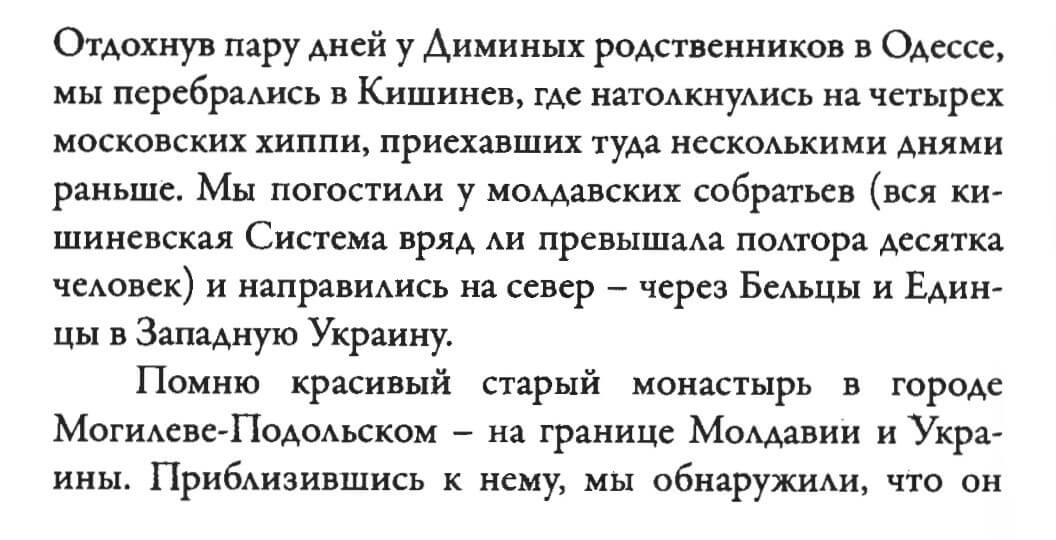
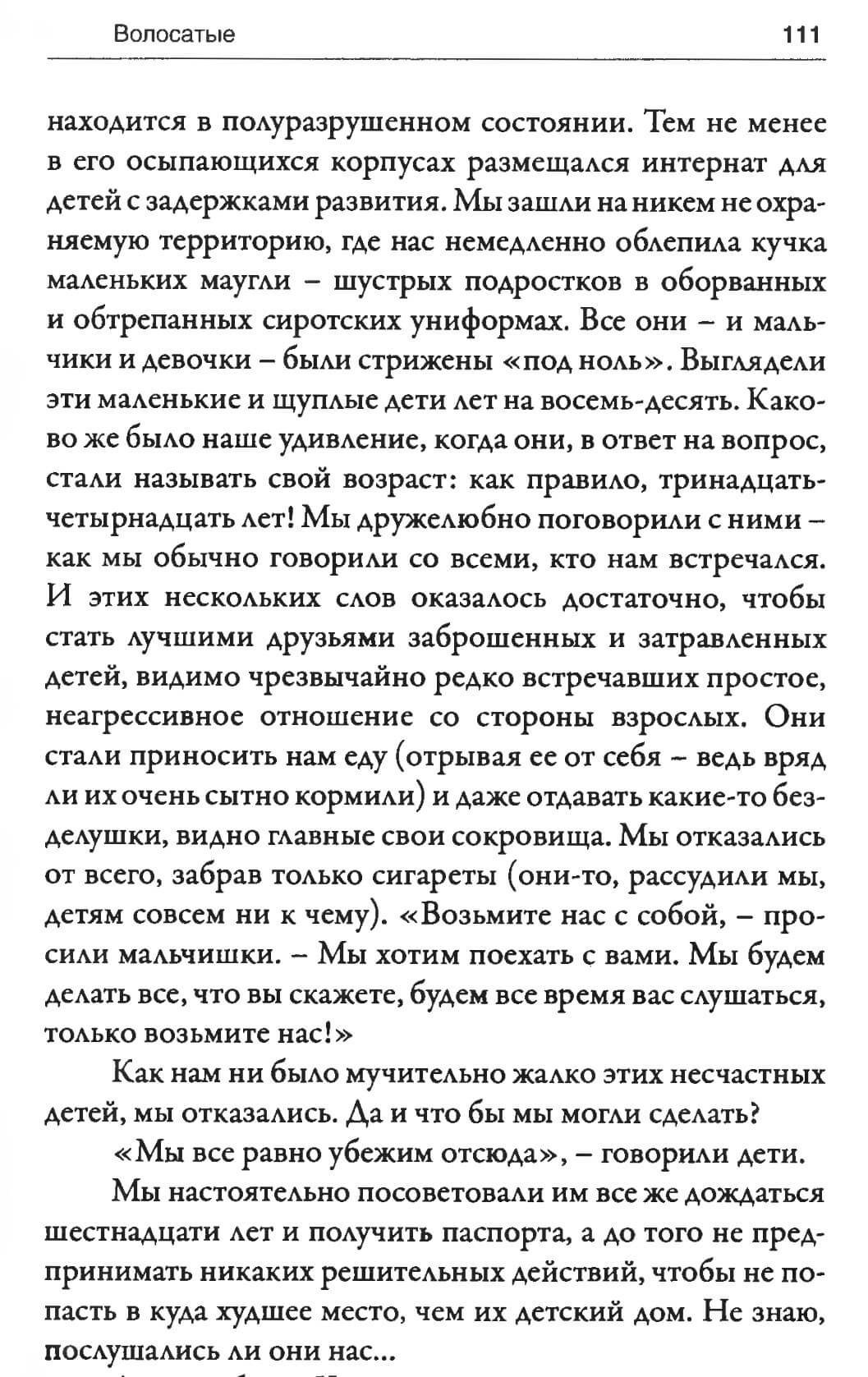
“After resting a couple of days with Dmitry’s relatives in Odessa, we moved on to Kishinev where we ran into four Moscow hippies who had arrived there a few days earlier. We visited our Moldavian counterparts (the entire Kishinev System probably didn’t exceed a dozen and a half people) and headed north — through Bălți and Edineț into Western Ukraine. I remember a beautiful old monastery in Mogilev-Podolsk, on the border of Moldavia and Ukraine. As we approached it, we discovered it was in a semi-ruined condition. Nevertheless, a boarding school for children with developmental delays was housed in its crumbling buildings. We entered the unguarded grounds where we were immediately surrounded by a group of little Mowglis — nimble teenagers in torn and tattered orphanage uniforms. All of them, both boys and girls, had their hair cut close to the scalp. Those small and frail children looked about eight to ten years old. How great was our surprise when, in response to a question, they began naming their ages: usually thirteen or fourteen! We spoke to them in a friendly way, as we usually spoke with everyone we met.
“Those few words were enough to become the best friends of those abandoned and intimidated kids who evidently very rarely encountered simple, nonaggressive treatment from adults. They began to bring us food, taking it from themselves (after all, they were hardly being fed very well), and even gave us some trinkets, apparently their most precious treasures. We refused everything, taking only cigarettes (we reasoned that they were unhealthy for children). ‘Take us with you,’ the boys begged. ‘We want to go with you. We’ll do everything you say, we’ll obey you all the time — just take us!’
“As painfully sorry as we felt for those unfortunate children, we refused. What could we have done anyway? ‘We’ll escape from here anyway,’ the children said. We strongly advised them to wait until they turned sixteen and obtained passports, and until then not to take any decisive action so as not to end up in a place far worse than their orphanage. I don’t know whether they listened to us…”
It should be recalled that by the time described, Alexander Dvorkin already had extensive experience with polydrug use, lived an antisocial lifestyle, and possessed well-developed manipulative skills. His behavior indicates a pathological interest in the edge states of human existence, especially among those who were vulnerable, dependent, or deprived of social protection. As follows from the episodes presented, he persistently resorted to identity substitution and providing false information about himself and the purposes of his movements (for example, presenting himself as “botany students” or “actors from Moscow”). This corresponds to the tactic of identity masking used to reduce the vigilance of potential victims, as described in research on serial offenders.
Key behavioral markers of Alexander Dvorkin include:
— high level of planning and adaptability;
— search for vulnerable targets;
— absence of signs of remorse or empathy;
— use of trust through manipulation;
— exploitation of institutional vulnerability (e.g., boarding schools and dormitories);
— instrumental attitude toward other people as a resource for survival or for satisfying his own needs;
— narrative justification of actions through rationalization.
— drug-induced degradation.
His interactions with minors are particularly noteworthy. Although there is no direct evidence of a sexual nature in the excerpts provided, this type of conduct — the formation of dependence in socially isolated children and their willingness to “obey in everything” — is considered in behavioral analysis practice as a potential indicator of the risk of grooming (actions taken by an adult to establish a relationship of trust with a child for the purpose of subsequent sexual seduction) and requires heightened attention.
Taken together, the above episodes resemble behavioral rehearsals — a typical pattern observed in individuals prone to serial violent behavior. During such “rehearsals,” an offender practices key skills: disguise, manipulation, victim selection, and management of consequences.
Episode 6. Additional information: Children’s camp
An additional element of Alexander Dvorkin’s behavioral analysis is represented by an episode illustrating his attitude toward Jewish and American minors at a children’s camp in the United States. The event took place two years after the events described above (1978), when he was 22 years old. By that time, he had immigrated to the USA and found a summer job as a counselor at a children’s camp where he was in charge of a group of 12-13-year-old boys. Dvorkin’s description of this experience is extremely revealing, not so much as evidence of the conditions at the camp and the characteristics of children themselves, but as a mirror of his own cognitive and emotional world.
It is noteworthy that Alexander Dvorkin makes virtually no mention of pedagogical aspects of the work that camp counselors usually highlight: educational activities, games, development of communication skills, or child support. Instead, Dvorkin focuses solely on the sexual behavior of teenagers: alleged collective masturbation, lewdness, talks about parents who allegedly encourage sexual contacts, and even a story about paying for sexual services to a dishwasher. This hypersexualization of children’s behavior reflects Alexander Dvorkin’s own internal attitudes much more than the objective reality of the children’s camp. In professional literature, this kind of distorted perception, where adults attribute sexual awareness and activity to children that goes way beyond what’s normal for their age, is seen as a potential indicator of a risk of sexual exploitation.
In the book “Journey Into Darkness,” John Douglas and Mark Olshaker 6 describe the predictable behavior of child molesters as follows:
“Although many pedophiles successfully blend into the social fabric—at least for a while—some aspects of their lifestyle do tend to set off warning buzzers. People who seem excessively interested in our children make us distrustful. An adult who hangs around in arcades, malls, and parks, who seems to have no friends his own age appears out of place. A pedophile knows his sexual tendencies must remain secret so it is hard for him to connect with other adults in any meaningful social way. Often, adult friends are also pedophiles since they offer validation and reassurance.”
“He may also talk (or write) about children as ‘objects, projects, or possessions’.”
“Along with the justifications come fabrications, and the cleverer the molester, the more intriguing the lie. There was one pedophile who said some children made a sex video, and when he found out about it, he kept it to show to their parents. Less creative but equally desperate molesters may suddenly develop mental illness or play the sympathy line, hoping that remorse and strong ties to the community will make people feel sorry for a troubled but basically good guy. In a sick, backward way, they will try to defend themselves with their contributions to their community, like volunteer work with kids, which only exist to provide access to children.”
“I was terribly offended, but I still had to find a job. Yet, I couldn’t find one. The situation was becoming critical. My money was running out. Then Bobby suggested that I go to a children’s camp as a counselor. It was the same camp she had gone to as a child and had fond memories of. However, as it turned out, counselors there were paid very little: two hundred and fifty dollars for two months. Maybe that’s why there were open vacancies, and the management agreed to take me on, even though I clearly wasn’t the right person for the job. I must say that since childhood I’ve hated camps, collectivism, groups, and life to the sound of drums and bugles. The only time I went to a summer camp as a child, I climbed over the fence and ran away after two weeks. To this day, I still have a hard time tolerating all kinds of group activities: I dislike hiking, group trips, outdoor gatherings, amateur song clubs, etc. While in this case, I was offered not just some kind of group excursion, but a real camp! Yet, it seemed like I had no other choice, so I went to surrender. Everything turned out to be much worse than I had imagined. The camp was Jewish and socialist. Its leadership consisted of former communists who had been expelled from the U.S. Communist Party for criticizing anti-Semitism in the USSR.”

“Man, what a stroke of bad luck! What a bunch of relict freaks! I wanted to turn around and leave, but when I caught Bobby’s tense gaze, I sighed… and stayed out of sheer desperation. At least they didn’t mention anything about the need for a haircut.
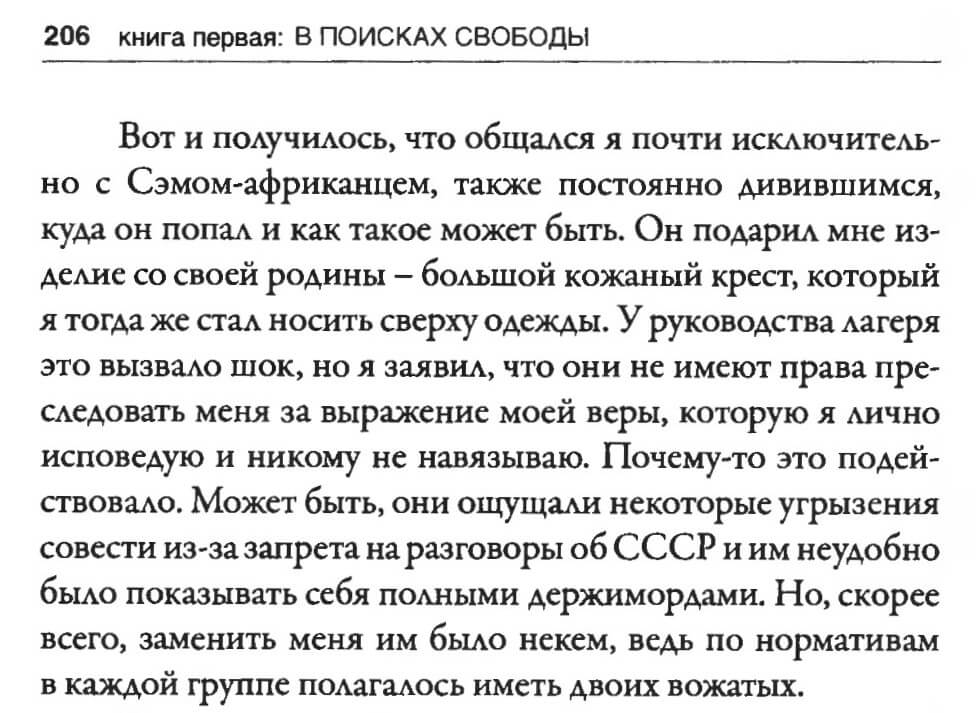
“A few days later, I finally checked out of the hotel where I’d been staying since my arrival in New York, put my belongings in Grodner’s basement, and brought Murka to some friends. After all this, I had one dollar and thirty-seven cents left. With that, I left for the camp — a very picturesque place on the shore of a lake three hours north of the city. I have to say that even in my darkest expectations, I didn’t suspect how vile this cesspool would turn out to be. The only normal person in the entire camp was my partner in leading a group of 12-13-year-old boys — a black student from Ivory Coast who had gotten this job through a youth exchange program.
“Immediately after meeting me, the head of aesthetic education for children, an ugly, fat middle-aged woman, told me she was a lesbian and was in an intimate relationship with a skinny, pimply cook. I still don’t understand why she decided to share this information with me.
“After the evening briefing, I went into the barracks where my boys were sleeping and found the older group in the middle of a collective masturbation session, and when I demanded that they immediately stop the abomination, I was told that their parents allow and even encourage it. I said that if they wanted to do it, they should do it so that I couldn’t see anything, but nothing like that would happen in my presence. A couple of weeks later, the oldest boy in the group bragged about his parents who decided it was time for him to become a man and gave him money to pay for sexual services to a dishwasher.
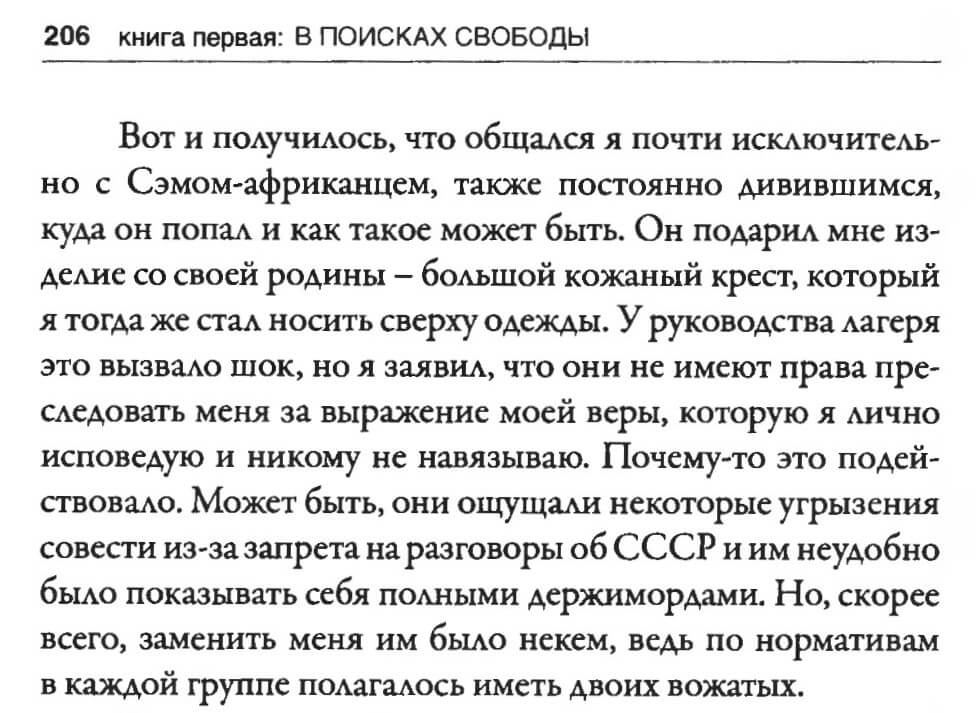
“So it turned out that I communicated almost exclusively with Sam, an African who was also constantly wondering where he had ended up and how such a thing could be possible. He gave me a gift from his homeland — a large leather cross that I immediately began to wear over my clothes. This shocked the camp authorities, but I declared they had no right to persecute me for expressing my personal beliefs which I did not impose on anyone else. For some reason, it worked. Perhaps, they felt some pangs of conscience because of the ban on talking about the USSR and felt uncomfortable showing themselves to be complete tyrants. But most likely, they had no one to replace me with because, according to the regulations, every group was supposed to have two counselors.”
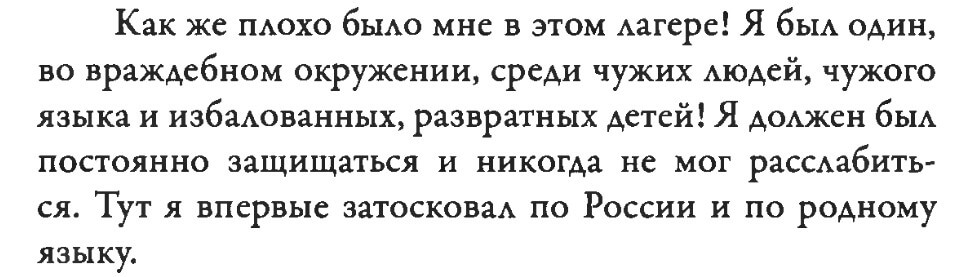
“How miserable I was in that camp! I was alone in a hostile environment among strangers, a foreign language, and spoiled promiscuous children! I had to constantly defend myself and could never relax.”
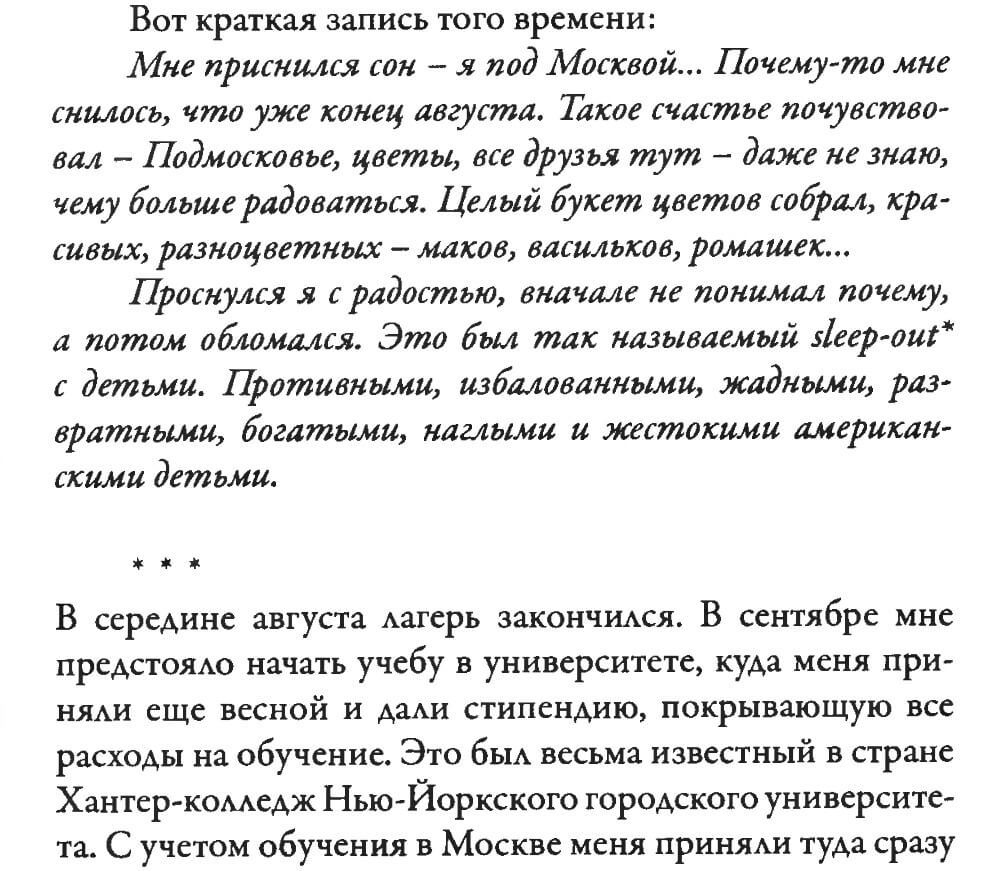
“Here’s a brief account of that time:
I had a dream: I was near Moscow… For some reason, I dreamed it was already the end of August. I felt such happiness: Moscow suburbs, flowers, all my friends here — I didn’t even know what to be happier about. I picked a whole bouquet of beautiful, colorful flowers: poppies, cornflowers, camomiles… I woke up feeling happy, and at first I didn’t understand why, but then I was disappointed. It was a so-called sleep-out with the kids. Hateful, spoiled, greedy, promiscuous, wealthy, and atrocious American kids.
“The camp ended in mid-August. In September, I was supposed to start studying at the university where I had enrolled in the spring and received a scholarship covering all my tuition costs. It was Hunter College of the City University of New York, a highly renowned academic institution in the country.”
This episode demonstrates a consistent pattern of interactions between Alexander Dvorkin and minors (boys aged 12-13), a projection of his own views, and a narrative strategy of justification through victimhood. Behavioral markers identified in the episode:
— hypersexualization of minors: attributing sexual activity and knowledge to children that is not appropriate for their age;
— projecting his own attitudes;
— constant tension from controlling his own impulses: he “could never relax” — a phrase that can have a double meaning in the context of working with children;
— position of a victim of a “hostile environment”: presenting himself as being “forced” to stay among children (he reduces feelings of guilt, distances himself from responsibility, and legitimizes his presence among children as an “adult guardian”);
— selective attention: he focuses exclusively on sexual aspects, while ignoring everything else.
This episode, together with previous episodes, forms a consistent behavioral pattern: Alexander Dvorkin systematically finds himself in situations where he has access to vulnerable minors, establishes emotional contact with them, gains their trust, and uses them as objects of projection or potential control, practicing key elements of interaction with vulnerable victims under the guise of social legitimacy and a narrative of forced participation. Although in the text there is no direct evidence of Dvorkin’s sexual contact with children, the combination of behavioral markers corresponds to the profile of a person at increased risk of grooming and sexual exploitation of minors.
John Douglas and Mark Olshaker wrote in “Journey Into Darkness” 6:
“While we can’t say the same for situational child molesters, pedophiles exhibit very predictable behaviors, many of which a parent can recognize. As a teenager, the pedophile may have very little social contact with other teens: his sexual interest is already directed toward children. As an adult, he tends to move frequently and often unexpectedly, as suspicious parents or law enforcement in effect run him out of town. If he joins the military, he may be discharged with no reason given. In many cases, the subject will have a long history of prior arrests, including molestation or abuse charges, as well as trouble with child labor laws, passing bad checks, or impersonating an officer. If there are prior arrests for child molestation, he may have been involved with multiple victims — if he molests one child from a neighborhood group, he probably at least attempted to molest others.
“Once we can review all his crimes, you’ll see that a high level of planning (and risk) went into repeated attempts to lure children. Unlike the situational molester, a pedophile puts a lot of time and energy into developing the perfect approach, which he may practice in order to attain a skillful delivery.”
“The molester may emotionally blackmail the child. And since many are expert at making sure they always have access to children (as a Little League coach or just the ‘nice guy’ who always takes the neighborhood kids camping or on other outings), they can even use group dynamics to keep their victims in line, using competition or peer pressure to keep recruiting new kids and rotating older ones out without being discovered.”
Sexual crime is one of the most dangerous forms of antisocial behavior characterized by a high level of concealment. A significant portion of such acts remain undisclosed, as victims and their families often conceal the fact of violence due to fear of condemnation, shame, and fear of negative reactions from their social environment. Such acts are far from always becoming known to law enforcement agencies.
In modern forensic psychiatry, a differentiated approach is used when analyzing sexual crimes against minors. The pedophilic disorder is determined by the age of the object of attraction (prepubescent children). Criminals who exert violence against boys may have homosexual pedophilia (attraction to boys), bisexual pedophilia (attaction to children of both sexes), or exert violence due to non-sexual motives (domination or easy access to the victim).
Studies describing the characteristics of choice and attitude toward the object of sexual attraction in individuals with various forms of sexual preference disorders note the presence of specific disorders and distortions in affective perception and understanding of the role of a sexual partner, which are based on disorders of empathy, impaired social skills, cognitive distortions, and difficulties in maintaining intimacy and closeness.
The behavior of individuals who commit sexual crimes may vary. Some prefer episodic violence — one-time contacts with children they encountered randomly. Such behavior is often associated with impulsivity and use of psychoactive substances. To a large extent, this is facilitated by fear of exposure and criminal punishment. Others prefer long-term exploitation through trust and establishing long-term relationships with a child or their family. Some offenders obtain official status as guardians, tutors, coaches, or counselors to legitimize their access to a victim. 7
There are individuals who commit sexual violence against children through coercion: using physical force, threats, blackmail, or by expoloting a child’s dependent position (for instance, in conditions of poverty, family dysfunction, or disability). Drug use is associated with increased aggression among pedophils. 8
Individuals with pedophilia who commit sexual violence against children may engage in children trafficking with other pedophils. They resort to threats towards children and sometimes abduct them. 9
In the context of Alexander Dvorkin’s psychobiography, it should be noted that in subsequent years, while in the United States, he worked for an international organization “Welcome House” of Pearl Buck Foundation, which deals with adoption of orphaned children from Russia.
In an interview with CCGD (Christian Community of God’s Delight, Dallas, Texas) 10, Dvorkin mentioned the following: “I also work for international adoption organization which is located in Pennsylvania. It’s called ‘Welcome House’ of Pearl Buck Foundation. We find Children in Russia, which need loving homes and which couldn’t be provided as homes in Russia, unfortunately. And we help them to find loving homes in this country. So I do all these things.”

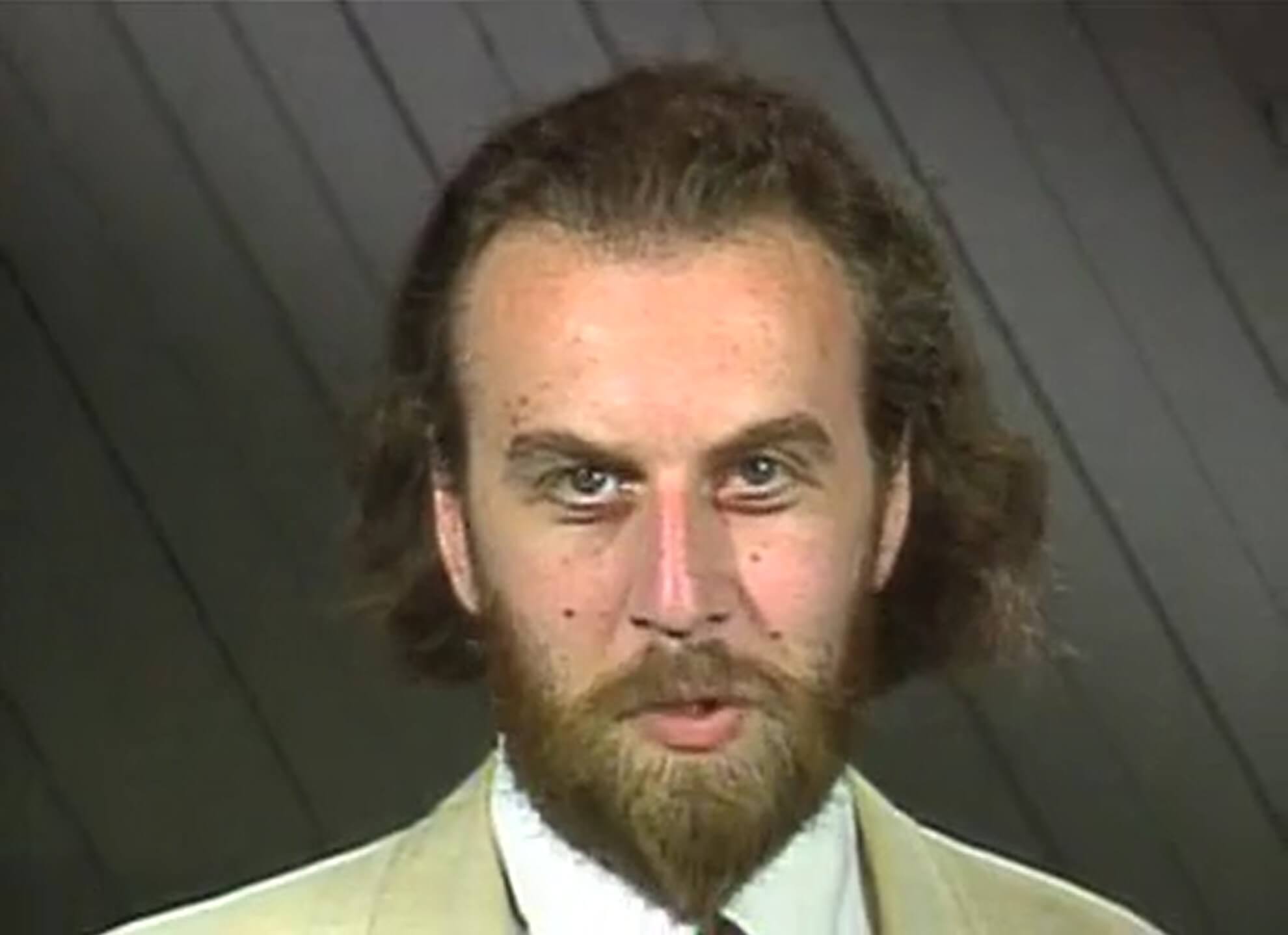
Given Alexander Dvorkin’s previously identified behavioral markers, including his interest in vulnerable minors, a tendency to establish trusting relationships under the guise of care, and the use of institutional roles to gain access to children, his involvement in adoption-related activities warrants careful scrutiny.
Furthermore, Dvorkin also collaborated with the notorious anticult organization CAN (Cult Awareness Network) whose representatives were involved in violent deprogramming, illegal abductions, psychological, physical, and sexual abuse.
Alexander Dvorkin in an interview with the program Vremenchko (Russia, April 1996):
“Q: Which organization do you primarily work with?
A: It is abbreviated as CAN. It is the Cult Awareness Network.” 11

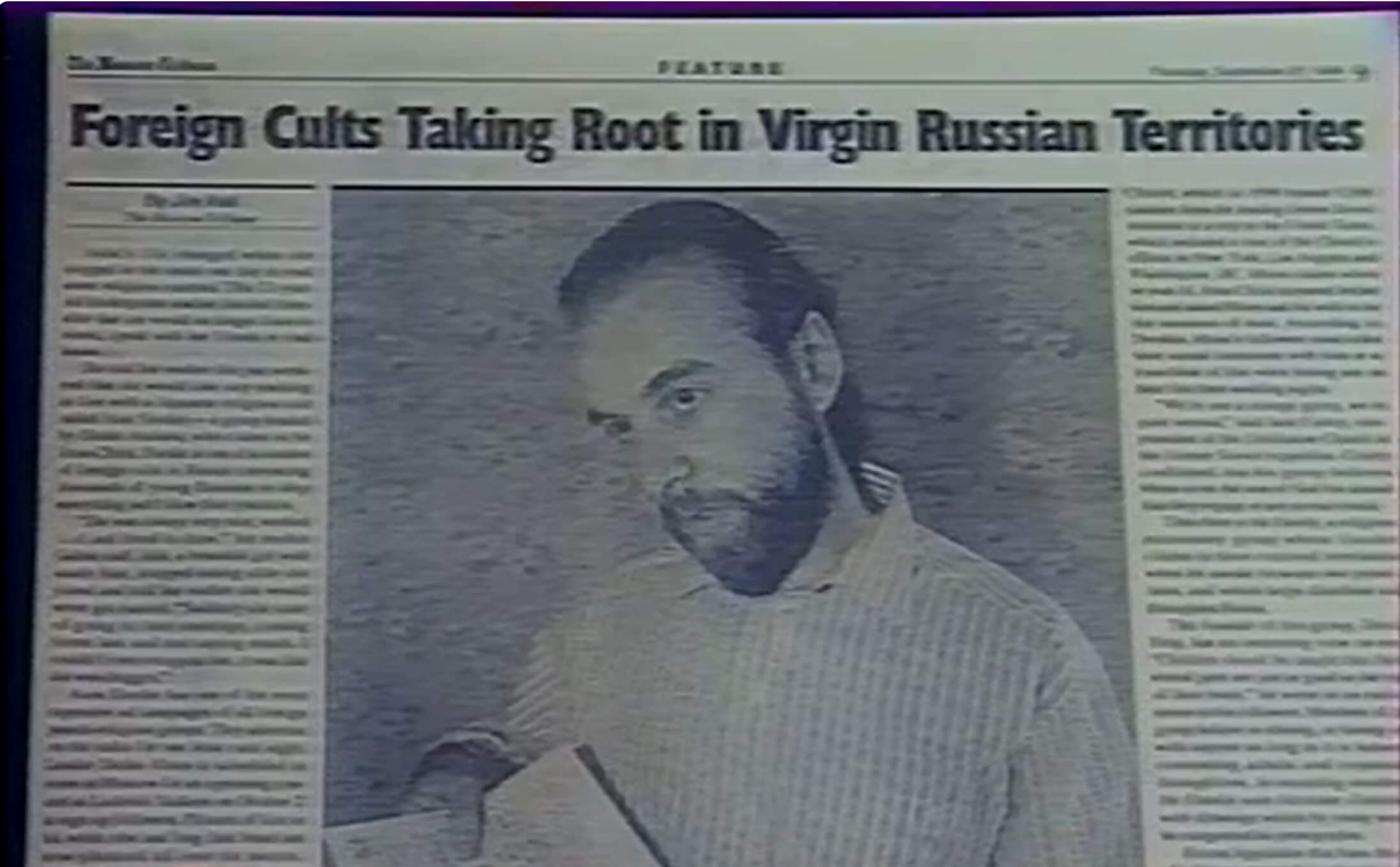
Before this organization was renamed CAN in the mid-1980s, it was known as the Citizens Freedom Foundation (CFF). The words of former CFF executive director John Sweeney are quite telling: “Many deprogrammers had sex with their victims and used drugs during the deprogrammings.” 12, 13.
The former President of CAN, Michael Rokos, abruptly resigned his position amid a flurry of publicity exposing that he had been found guilty on charges of soliciting sex with a Baltimore vice squad officer posing as a minor. 14
John Douglas and Mark Olshaker wrote in “Journey Into Darkness” 6 :
“Ken Lanning describes the predictable post-accusation stages child molesters go through when faced with the risk of a criminal investigation or prosecution. Not surprisingly, the initial reaction is total denial. He may act surprised, shocked, even indignant upon hearing of the claim against him. He may try to explain the action as something the child misunderstood: ‘Is it a crime to hug a child?’ Depending on his social support structure, he may have family, neighbors, or co-workers to back him up and attest to his character.”
“These guys are constantly trying to justify their urges and actions to themselves — they don’t want to believe they’re sexually deviant criminals. The most common justification usually blames the victim in some way: the victim seduced him and he didn’t know how old she was, or the victim is really a child prostitute. Even if that were so, a crime has still been committed since consent is completely irrelevant when sexual activity involves a child.”
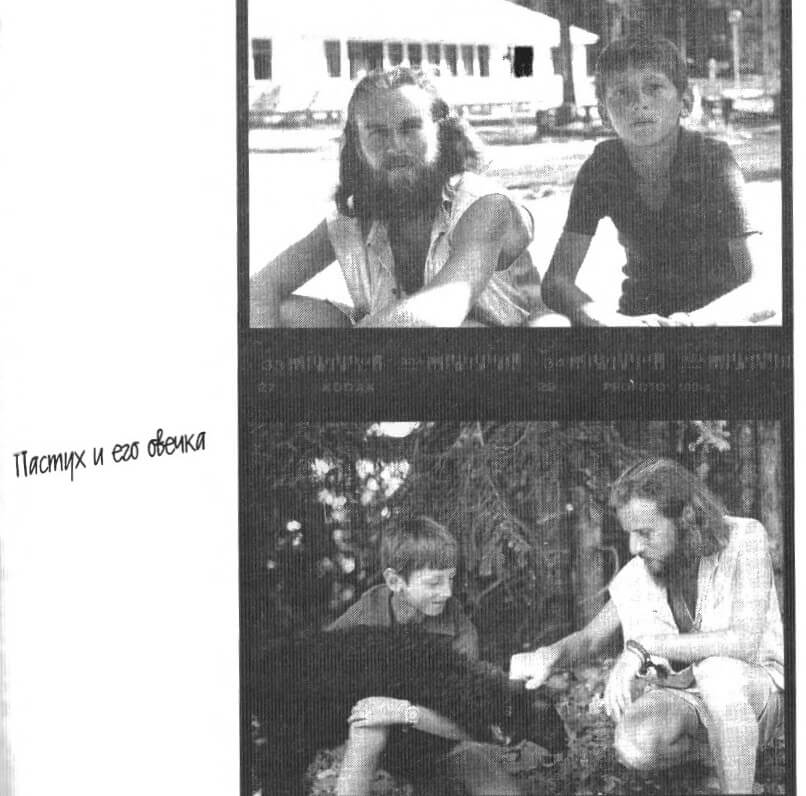
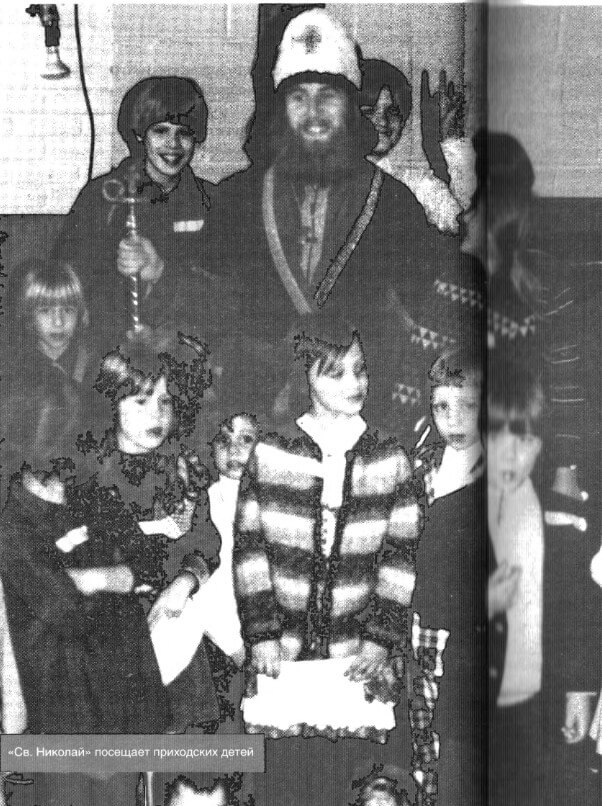
Episode 7. “Poison that doesn’t act now, but will activate in a year.”
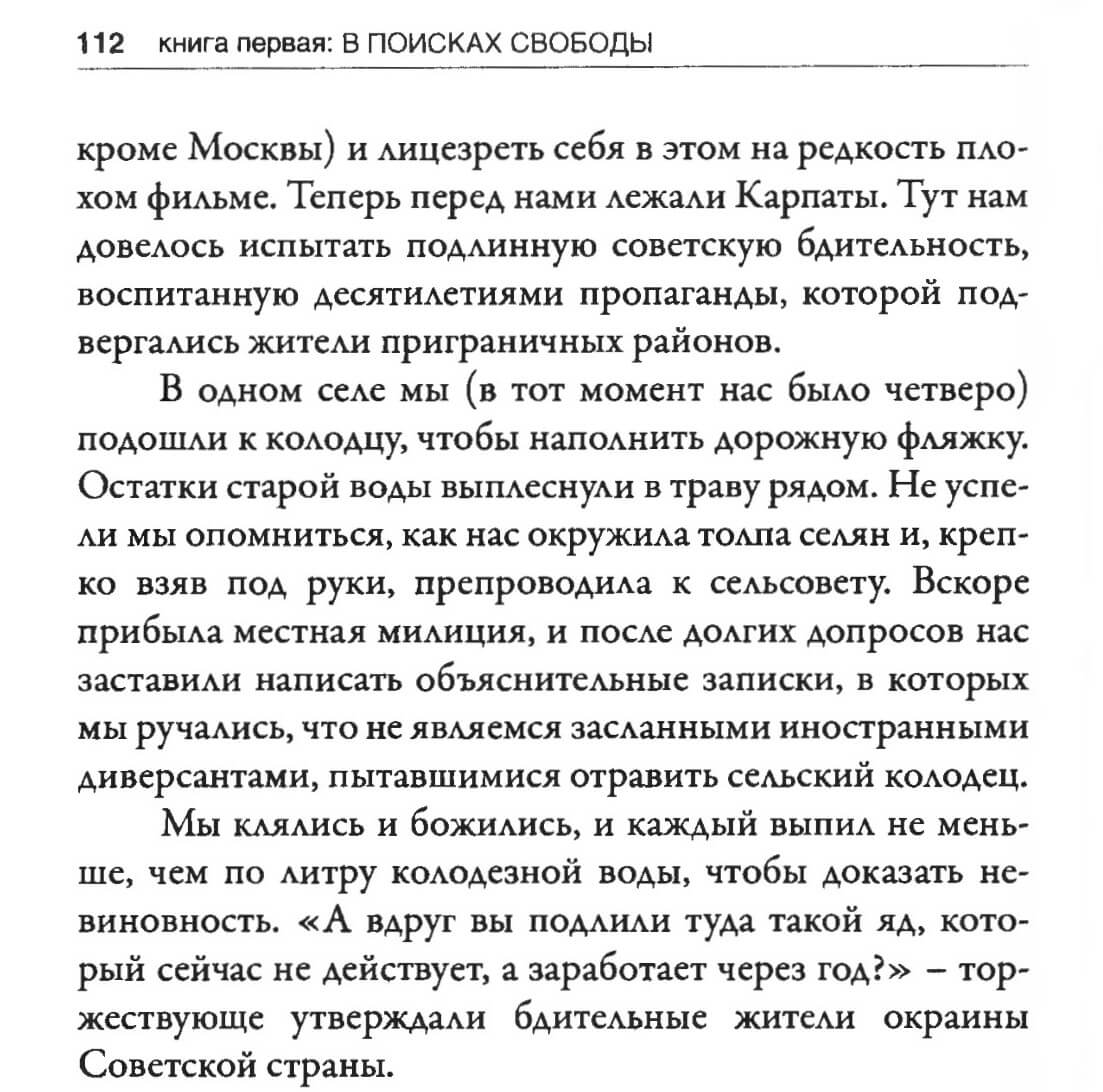
Of particular note is an incident Alexander Dvorkin recounts in his autobiographical book “My America,” (1) as he keeps describing his hitchhiking across the USSR. On one occasion, while traveling with a group of vagrants, he attempted to fill his flask from a well in a village in the Carpathians, Ukraine. Local residents noticed the strangers, surrounded them, and escorted them to the village council office. Officers of the local police unit arrived shortly thereafter. The key element of this episode is a line Dvorkin attributes to the villagers: “What if you poured in some kind of poison that doesn’t act now, but will activate in a year?”
From the standpoint of historical and medical plausibility, it is unlikely that rural residents in the 1970s would have been familiar with substances capable of producing a delayed toxic effect manifesting a year after exposure. Such knowledge would have extended well beyond the scope of everyday experience at the time. At the same time, this detail may reflect Alexander Dvorkin’s own conceptual framework. Given his previously demonstrated extensive practical knowledge in psychopharmacology, including the properties, combinations, effects, risks, and potentially lethal consequences of various psychoactive substances, it is reasonable to assume that the concept of a delayed-action poison was familiar to him.
Thus, the statement put in the mouths of the villagers most likely represents a projection of the author’s own cognitive assumptions rather than a verbatim rendering of a real conversation. This is consistent with an already identified pattern: Alexander Dvorkin tends to interpret external events through the prism of his pathological interests, attributing to other participants his narrative motives and knowledge that in fact belong to him.
“Now the Carpathians lay before us. There we experienced genuine Soviet vigilance, cultivated over decades of propaganda imposed on residents of border regions. In one village, the four of us approached a well to fill our flask. We poured out the remaining water into the grass nearby. Before we knew it, a crowd of villagers surrounded us, gripped us firmly by the arms, and escorted us to the village council office. The local police soon arrived, and after lengthy interrogations we were forced to write explanatory statements where we affirmed that we were not foreign saboteurs sent to poison the village well.
“We pledged and swore, and each of us drank at least a liter of well water to prove our innocence. ‘What if you poured in some kind of poison that doesn’t act now, but will activate in a year?’ the vigilant residents of the Soviet outskirts triumphantly argued.”
Episode 8. Additional information: Interest in poisonous plants
In the same autobiographical book “My America,” Alexander Dvorkin devotes attention to describing poison ivy, a plant he encountered during his life in the United States. In the context of everyday life, he portrays poison ivy as a “trap” of American nature: an inconspicuous, ubiquitous plant that causes a severe allergic reaction in most people. He also addresses the possibility of a fatal outcome from exposure: “If the ivy accidentally gets into a bonfire and someone inhales the smoke, blisters appear in the lungs, and this can even lead to death.”
“Ivy.
Yet, there was a trap in American nature. It is poison ivy. A completely inconspicuous little plant, it is found everywhere, and if you don’t recognize it, you can run into serious trouble. The thing is that ivy is a very powerful allergen that affects anyone except Native Americans who are immune to it. Americans have a belief that Native Americans cursed nature so that it would harm white people. It’s enough to touch ivy or even to pet a dog that has brushed against it (it doesn’t affect animals), and two or three days later large blisters appear on the skin and an excruciating itch begins. The blisters then burst, and wherever the fluid reaches, new blisters appear that itch no less than the previous ones. All of that lasts two weeks at the very least. If the ivy accidentally gets into a bonfire and someone inhales the smoke, blisters appear in the lungs, and this can even lead to death.
“For a long time, I didn’t believe in poison ivy, considering it an American legend: they supposedly dislike nature and fear it, so they invent improbable horror stories. However, in my second year at the academy, while working with a lawn mower, I apparently sprayed myself with the sap of poison ivy which I did not yet recognize. Two days later, blisters covered my legs completely so I couldn’t even put on trousers, and for two weeks I had to wear a cassock over shorts until the blisters finally scarred over and the itching subsided. That’s how I learned to be cautious with American nature!”
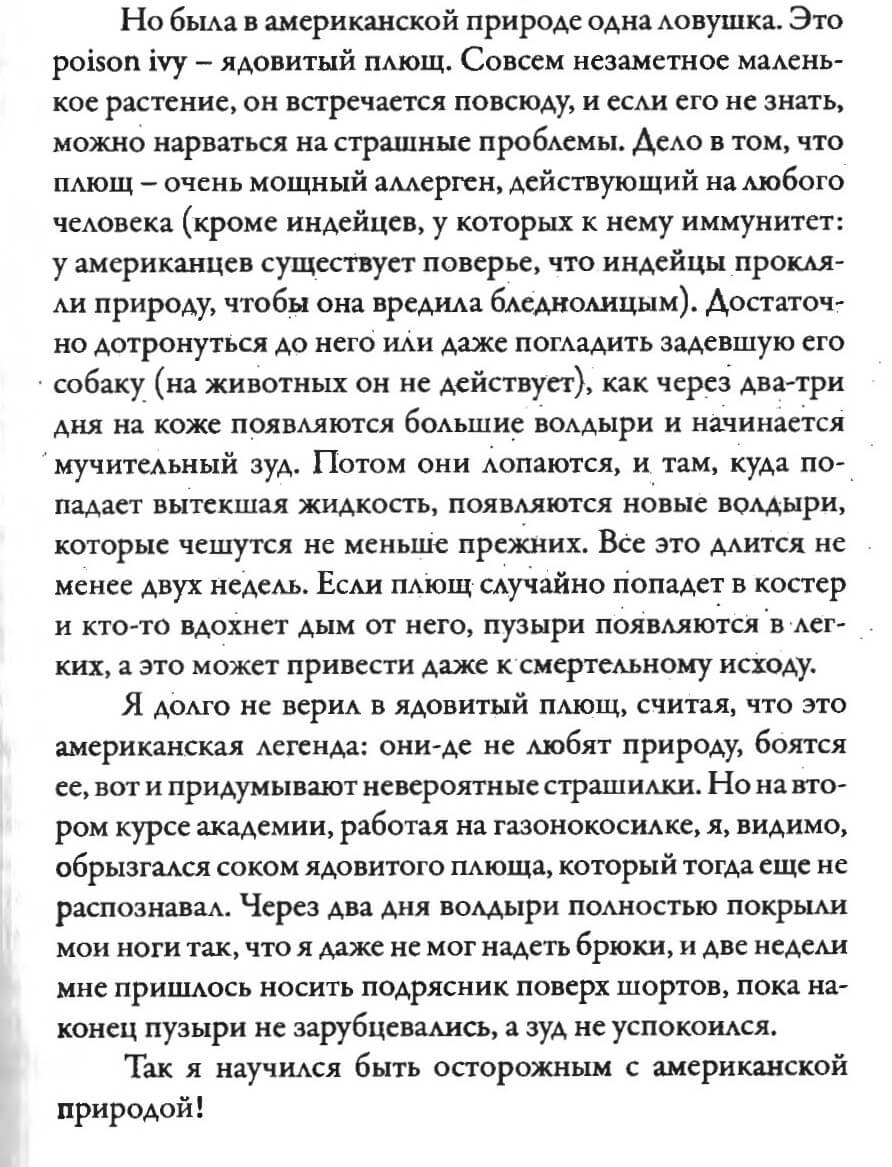
On a general level, it’s a story about adapting to a new environment. However, in the context of Alexander Dvorkin’s psychobiography, the episode takes on additional meaning: a fixation on concealed, delayed danger. Poison ivy does not kill instantly: its effects manifest after two to three days, can spread secondarily, and may even lead to death if the smoke is inhaled. This echoes a previously noted line from another episode: “What if you poured in some kind of poison that doesn’t act now, but will activate in a year?” — a hypothetical construction that most likely reflects Dvorkin’s own conception of hidden, delayed toxic effects.
According to contemporary behavioral analysis, individuals with pronounced antisocial and psychopathic traits, including the majority of serial killers, demonstrate reduced anxiety, heightened risk tolerance, and a deficit of empathy. Their crimes are often a deliberate enactment of long-nurtured fantasies that acquire the status of “real” experience. They integrate fantasy into their perceptual framework, using it as an instrument of psychological compensation and control. The act of killing serves as a culmination of that fantasy.
Among serial killers with a sadistic motive, the dominant drive is control over their victim’s dying process and the demonstration of power, frequently accompanied by gratification derived from another person’s suffering. After the fantasy is implemented, however, disappointment and a decline in arousal are often observed, leading to escalation — the need for increasingly intense acts to achieve the prior level of satisfaction.
In the book “Journey Into Darkness,” John Douglas and Mark Olshaker 6 note: “As we wrote of the lust killer: ‘He would be described as a trouble-maker and a manipulator of people, concerned only for himself. He experiences difficulties with family, friends and “authority figures” through anti-social acts which may include homicide. It is the nonsocial’s aim to get even with society’.”
Episode 9. Excerpts from Alexander Dvorkin’s interview for the project “Recent Soviet Immigrants in America.” 15
Q. It’s not quite like that in America, or at least in some parts of it.
A. People are very hospitable in the province.
Q. Did they ask you a lot of questions about Moscow, or did they know what was going on in the rest of the Soviet Union?
A. No, but they weren’t interested too much. They were asking me about us because we had really traveled and so on, about ourselves because they never saw such strange people. But it’s very strange because the same person, like if you would see him in the middle of the day in the street, he could scream at you and beat you up, but then at night if you would knock at his door, he would let you in and be really hospitable, a very hospitable person.”
Source:
1. Alexander Dvorkin. “My America”.
https://fb2.top/moya-amerika-813075
2.John Douglas, Mark Olshaker «The Killer’s Shadow: The FBI’s Hunt for a White Supremacist Serial Killer», 2020.
3.M. V. Belyaev “The Band of Touring Performers.” Journal “Echo of Centuries,” 2013.
https://cyberleninka.ru/article/n/banda-gastrolerov
4. Alexander Dvorkin. “Teachers and Lessons. Memories, Stories, Reflections”, 2008
https://www.labirint.ru/books/240384/
5. Book “Kalalatsy” by Arkady Rovner — Moscow: “New Time” International Association of People of Culture, PSK Timan, 1990.
6. “Journey Into Darkness,” John Douglas and Mark Olshaker, 1997
7. Kristin A. Danni; Gary D. Hampe «Analysis of Predictors of Child Sex Offender Types Using Presentence Investigation Reports». Journal International Journal of Offender Therapy and Comparative Criminology Volume: 44 Issue: 4 Dated: August 2000 Pages: 490-504.
https://www.ojp.gov/ncjrs/virtual-library/abstracts/analysis-predictors-child-sex-offender-types-using-presentence
8. Nayla R Hamdi, Raymond A Knight «The relationships of perpetrator and victim substance use to the sexual aggression of rapists and child molesters», 2011
https://pubmed.ncbi.nlm.nih.gov/21890810/
9. Bernard Gallagher, Michael Bradford, Ken Pease «Attempted and completed incidents of stranger-perpetrated child sexual abuse and abduction», 2008.
https://pubmed.ncbi.nlm.nih.gov/18513796/
10. Interview with Alexander Dvorkin
CCGD (Christian Community of God’s Delight, Dallas, Texas)
https://vimeo.com/148551852 (24:32)
11. Alexander Dvorkin in an interview with the program Vremenchko (Russia, April 1996).
https://www.youtube.com/watch?v=zNPUNO2gOTY (55:53)
12. Anson D. «Shupe CAN: Anti-Cultists, Deprogramming, And Crime. 7. Sexual Abuse as a Deprogramming Tool», 2024 https://bitterwinter.org/can-anti-cultists-deprogramming-and-crime-7-sexual-abuse-as-a-deprogramming-tool
13. Anson D. Shupe «CAN: Anti-Cultists, Deprogramming, And Crime. 4. Anti-Cultists and Deprogrammers, An Old Association», 2024
https://bitterwinter.org/can-anti-cultists-deprogramming-and-crime-4-anti-cultists-and-deprogrammers-an-old-association
14.https://docs.preterhuman.net/CULT_AWARENESS_NETWORK_BRAINWASHERS_URGED_ATTACK_ON_WACO
15. A 1979 interview with Alexander Dvorkin for the project “Recent Soviet Immigrants in America.”
Interviewer: Lynn Visson (June 19–20, 1979). William E. Wiener Oral History Library of the American Jewish Committee. New York Public Library (NYPL) Research Libraries.
https://archive.org/details/alexander-dvorkin-interview-june-19-1979/page/n5/mode/2up