Read the previous part of the article.
Read the full report.
Editorial Appeal to Witnesses and Sources.
If you have information that may supplement, clarify, or corroborate the factual basis of this article, the ActFiles editorial team invites you to contact us. Source confidentiality will be respected.
Dvorkin’s Career Growth After the Death of Gleb Kaleda
Just one month after Gleb Kaleda’s death, the Bishops’ Council of the Russian Orthodox Church convened (November 29 – December 2, 1994). According to available accounts, “largely thanks to Alexander Leonidovich and Deacon Andrei Kuraev, the Bishops’ Council of the Russian Orthodox Church adopted the resolution ‘On Pseudo-Christian Sects, Paganism, and Occultism’ in December 1994.” 1 It is important to emphasize that this resolution was adopted largely due to Dvorkin’s efforts. Subsequently, it became a starting point for the legalization and institutionalization of Alexander Dvorkin’s international anti-cult activities and for the creation, on that basis, of his own network. This structure would later engage in anti-cult extremist and terrorist activities, employing methodologies of covert manipulation of the consciousness and subconscious of the masses across several countries in Europe, America, and Asia, including the United States, Russia, and China.
Quote from Italian lawyer and sociologist of religion Massimo Introvigne from the article “In memoriam: Johannes Aagaard (1928–2007)” 2 by Massimo Introvigne:
“Attempts to make his Dialogue Center international granted to Aagaard in later years recognition and success, but also internal problems in Denmark, and co-operation with much more extreme characters such as Thomas Gandow in Germany and Alexander Dvorkin in Russia. To his credit, and unlike those extremist counter-cultists, Aagaard always kept alive a conversation with scholars of the ‘other’ side, such as Eileen Barker and myself, and never engaged in name-calling or defamation.”
Quote from Massimo Introvigne from the article “Moral Panic and Anti-Cult Terrorism in Western Europe” 3:
“‘Type I’ reports, and anti-cult models in general, generated ‘anti-cult terrorism’ (an expression first used in one of the Swiss ‘Type II’ reports) in the form of both verbal and actual violence, with extremist groups acting as self-appointed anti-cult vigilantes.”
It is highly likely that if such prominent scholarly authorities of their time as Alexander Schmemann and John Meyendorff had still been alive, they would not have allowed such a turn of events to unfold in either the United States or Russia. In particular, they would not have permitted such a blatant violation by Alexander Dvorkin of the First Amendment to the United States Constitution and of the Constitution of the Russian Federation, both of which guarantee fundamental freedoms, including freedom of religion. The positions of Schmemann and Meyendorff, expressed in their public addresses and theological works, demonstrate their consistent defense of the principle of religious freedom as an essential element of civil society.
It is also plausible that, had the respected scholar, priest, and educator Gleb Kaleda remained alive, the formation of such an international anti-cult organization under Dvorkin’s leadership might have been prevented in time. Kaleda would not have allowed Dvorkin to construct such a totalitarian organization, one that conceals the ideological orientation of its leader, characterized by an anti-religious essence, hostility and hatred, a systematic rejection of religious institutions, and the denial of transcendent dimensions in the life of both the individual and society.
Gleb Kaleda’s professional and life experience enabled him to anticipate the socio-political consequences of Dvorkin’s activities and his pursuit of power, including the risks of violating constitutional norms and escalating conflicts, potentially even to the level of military confrontation. Kaleda’s competence would likely have allowed him to identify the destructive potential of Dvorkin’s organizational structure, manifested in legal nihilism that can lead to social destabilization.
From the perspective of canon law, Alexander Dvorkin’s actions contradict the dogmas of the Orthodox Church and Christian ethics. They can be assessed as conflicting with the norms of Christian morality and the statutes of the Orthodox Church, which would have provided grounds for Gleb Kaleda to block them. Moreover, such activities by Dvorkin stand in direct contradiction to the commandments of Christ and the ecclesiological essence of Orthodoxy. In a counterfactual scenario, Kaleda’s survival could have significantly influenced Dvorkin’s activities and altered the historical trajectory of events, primarily in Russia and the United States.
It is reasonable to assume that the presence of such authoritative figures as Alexander Schmemann, John Meyendorff, and Gleb Kaleda, who combined scholarly work with priestly ministry, might have prevented the negative course of events. This refers to blocking the formation of destructive pseudo-religious structures and pseudo-scientific institutions organized by Alexander Dvorkin, similar to those that emerged during the period of National Socialism in Germany, particularly in the context of Walter Künneth’s activities. These authoritative figures possessed sufficient influence to oppose Dvorkin, prevent the creation of destructive organizations, and challenge the legitimization of pseudoscientific approaches in theology, the spread of practices that violate human rights, and the removal of key figures of the Orthodox revival.
Alexander Dvorkin’s personal profile at that time included indicators of deviant behavior, a relatively low level of formal education, and pronounced authoritarian ambitions. The profile also reflected destructive psychological patterns, including narcissism, manipulativeness, addictive tendencies, and a drive to concentrate power. These factors created a potential threat to human rights and to the security of both church and secular communities. The possible influence of such authoritative figures as Alexander Schmemann, John Meyendorff, and Gleb Kaleda might have neutralized the risks of radicalization within the religious environment at an early stage and served as a barrier against Dvorkin’s unlawful initiatives and destructive activities.
In practice, Dvorkin built, based on the organizations he headed or supervised, the Information and Consultation Center in the Name of Irenaeus of Lyons, RACIRS (Russian Association of Centers for Religious and Sect Studies), and the European Federation of Centres of Research and Information on Sectarianism (FECRIS). By consolidating the network of organizations he controlled, he created a unified international structure, analogous to the American Cult Awareness Network (CAN), which he personally led. The modernization of organizational mechanisms enabled the scaling of destructive activities that subsequently included violations of citizens’ rights, interference in sovereign political processes, manipulation of public perception, civil repression, systemic media violence, and the preparation of conditions for organizing mass shootings and school shootings. The use of state security resources and financing derived from tax revenues in the targeted countries enabled Dvorkin to implement his strategy under the guise of “combating sects.” Funding was drawn from the public budgets of the very countries that became targets of unlawful activities carried out by this international network led by Dvorkin.
Material from the autobiographical books of Alexander Dvorkin
From Alexander Dvorkin’s book “Teachers and Lessons: Memoirs, Stories, Reflections“ 1 about the creation of the Information and Consultation Center in the Name of Irenaeus of Lyons and subsequent events:
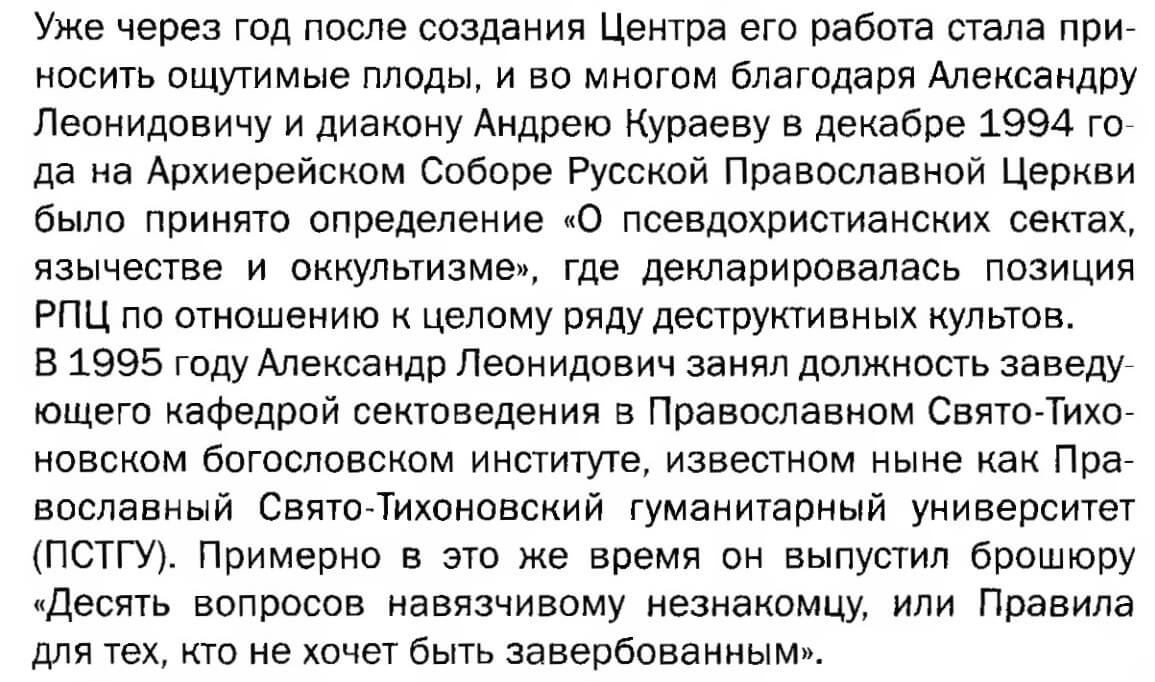
“Within a year after the Center was established, its work had already begun to produce tangible results. Largely thanks to Alexander Leonidovich and Deacon Andrei Kuraev, in December 1994 the Bishops’ Council of the Russian Orthodox Church adopted the resolution ‘On Pseudo-Christian Sects, Paganism, and Occultism,’ which set out the Russian Orthodox Church’s position toward a number of destructive cults. In 1995, Alexander Leonidovich assumed the position of head of the Department of Sect Studies at the Orthodox St. Tikhon’s Theological Institute, now known as St. Tikhon’s Orthodox University for the Humanities (PSTGU).”
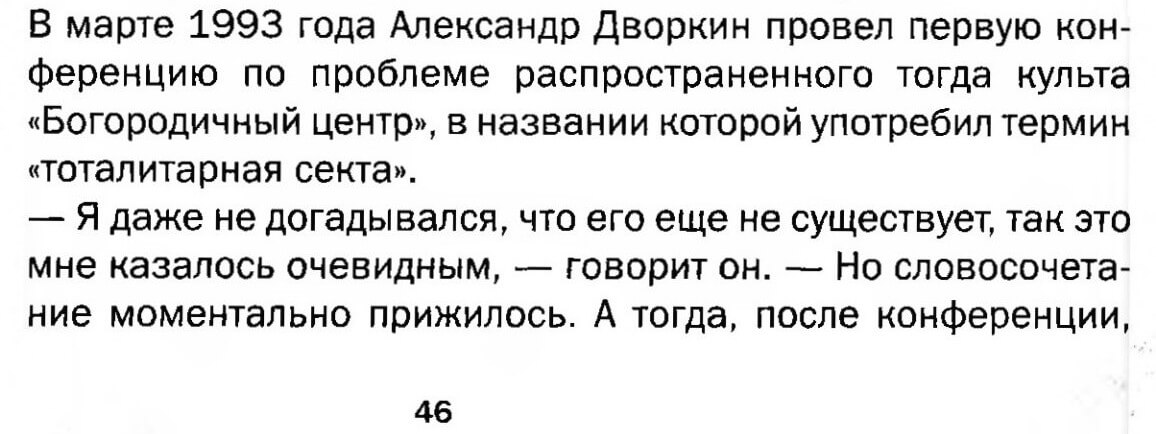
“In March 1993, Alexander Dvorkin held the first conference devoted to the problem of the then widespread cult ‘Bogorodichny Center,’ in the title of which he used the term ‘totalitarian sect.’
‘I did not even realize that the term did not yet exist; it seemed so obvious to me,’ he says. ‘But the phrase immediately caught on.’”
The following episode illustrates the scale of Alexander Dvorkin’s subsequent activities:
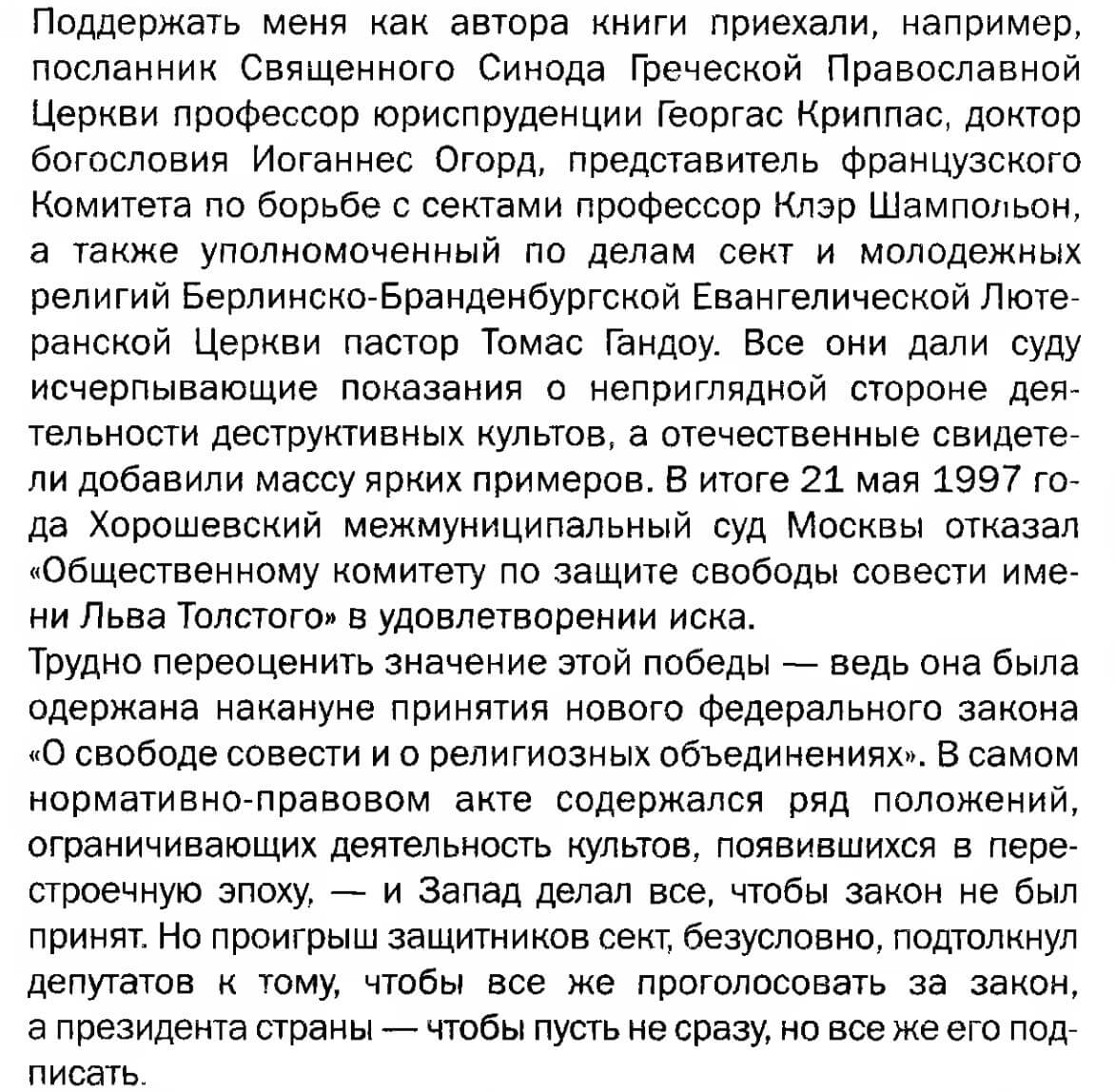
“For example, those who came to support me as the author of the book included Professor Georgas Krippas, a professor of law and envoy of the Holy Synod of the Greek Orthodox Church; Johannes Aagaard, Doctor of Theology; Professor Claire Champollion, a representative of the French Committee Against Sects; and Pastor Thomas Gandow, the commissioner for sects and youth religions of the Evangelical Lutheran Church of Berlin-Brandenburg. All of them gave the court comprehensive testimony about the unsavory aspects of the activities of destructive cults, while domestic witnesses added many vivid examples. As a result, on May 21, 1997, the Khoroshevsky Intermunicipal Court of Moscow rejected the claim of the ‘Lev Tolstoy Public Committee for the Defense of Freedom of Conscience.’
It is difficult to overestimate the significance of this victory, since it was achieved on the eve of the adoption of the new federal law ‘On Freedom of Conscience and Religious Associations.’ The legislative act itself contained a number of provisions restricting the activities of cults that had emerged during the perestroika period, and the West did everything possible to prevent the law from being adopted. However, the defeat of the defenders of the sects undoubtedly pushed the deputies to vote in favor of the law ultimately, and the country’s president to sign it, even if not immediately.”
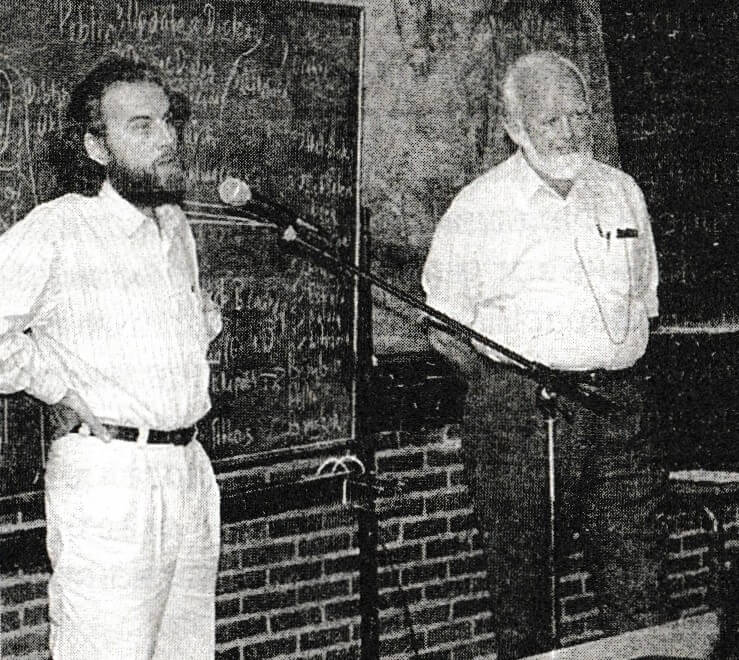
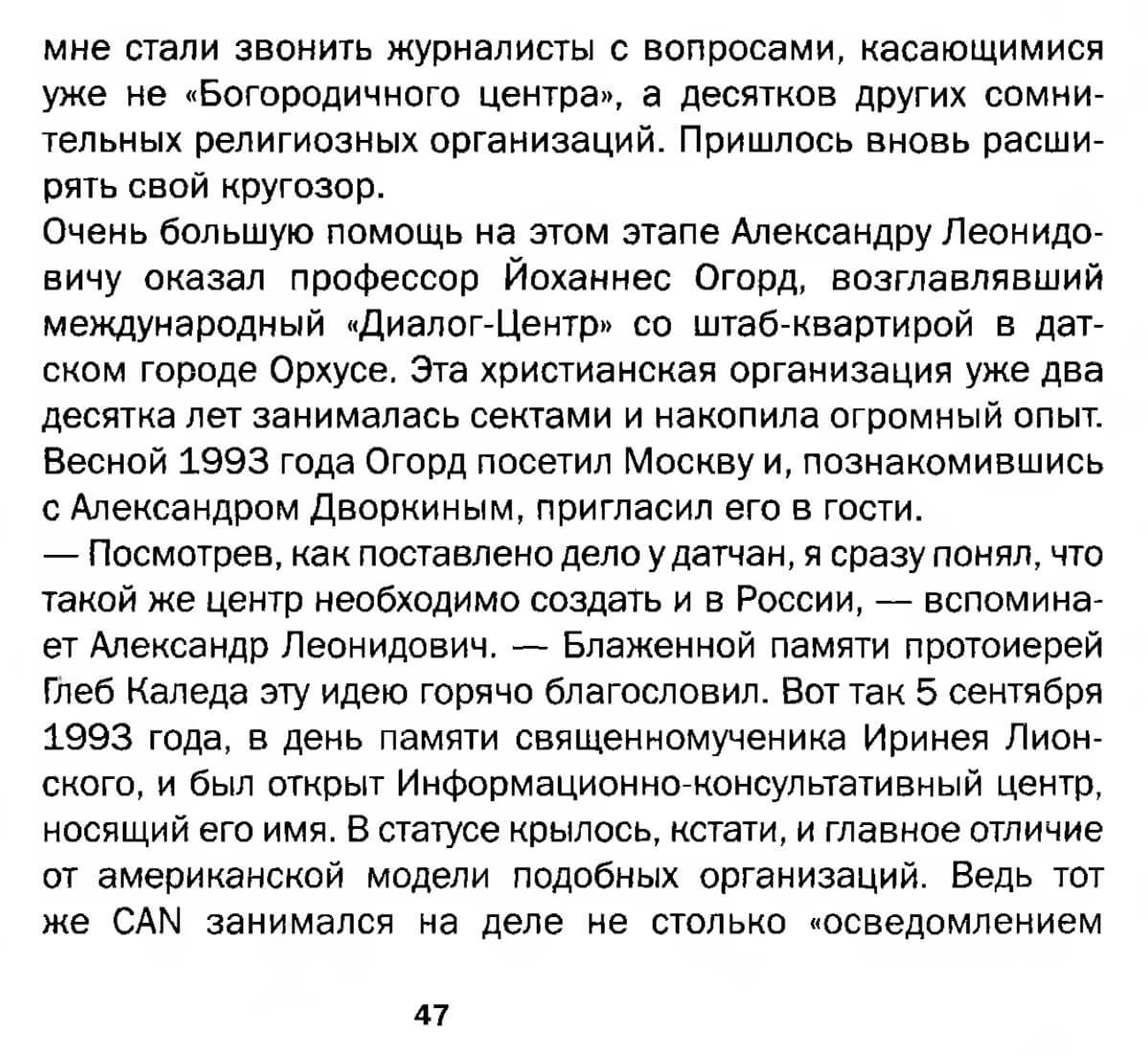
“At this stage, Alexander Leonidovich received considerable assistance from Professor Johannes Aagaard, who headed the international Dialogue Center headquartered in the Danish city of Aarhus. This Christian organization had been studying sects for two decades and had accumulated extensive experience. In the spring of 1993, Aagaard visited Moscow and, after meeting Alexander Dvorkin, invited him to visit.
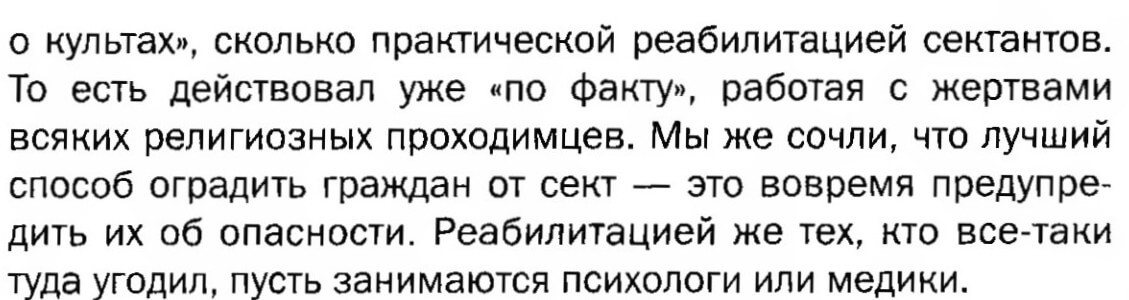
‘After seeing how the work was organized by the Danes, I immediately realized that a similar center needed to be created in Russia,’ recalls Alexander Leonidovich. ‘The late Archpriest Gleb Kaleda warmly blessed this idea. Thus, on September 5, 1993, the day of commemoration of the hieromartyr Irenaeus of Lyons, the Information and Consultation Center bearing his name was opened. Incidentally, its status also reflected the main difference from the American model of such organizations. For example, the same CAN in practice was concerned not so much with “informing about cults” as with the practical rehabilitation of sect members. In other words, it operated “after the fact,” working with victims of various religious charlatans. We concluded that the best way to protect citizens from sects was to warn them in advance about the danger. As for rehabilitating those who nevertheless became involved, that should be the responsibility of psychologists or medical professionals.’”
Thus, Alexander Dvorkin himself confirms that he adopted the American model of the Cult Awareness Network (CAN) 4 as the basis for his work, subsequently legalizing, securing, refining, and scaling it within the framework of his activities. The American organization CAN, active from the 1970s through the 1990s, specialized in the so-called “deprogramming” of individuals and engaged in unlawful activities. On June 20, 1996, CAN was dissolved by decision of the U.S. Federal Court in Chicago due to bankruptcy. Investigations into newly uncovered crimes associated with CAN continued afterward. For example, in 2000, an American court found CAN and several individual agents affiliated with the organization guilty of specific cases of kidnapping and assault. Among the deprogrammers connected with CAN were Steven Alan Hassan, Rick Ross, Ted Patrick, Carol Giambalvo, Galen Kelly, David Clark, and others.
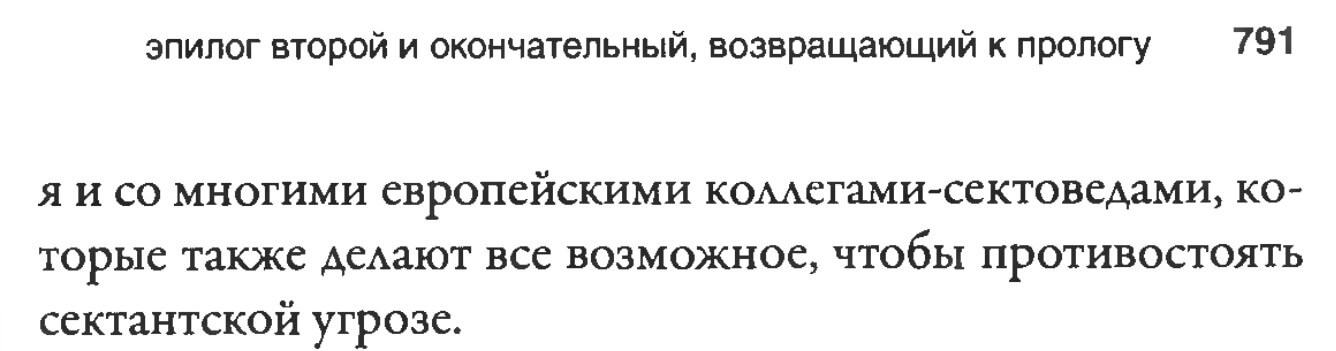
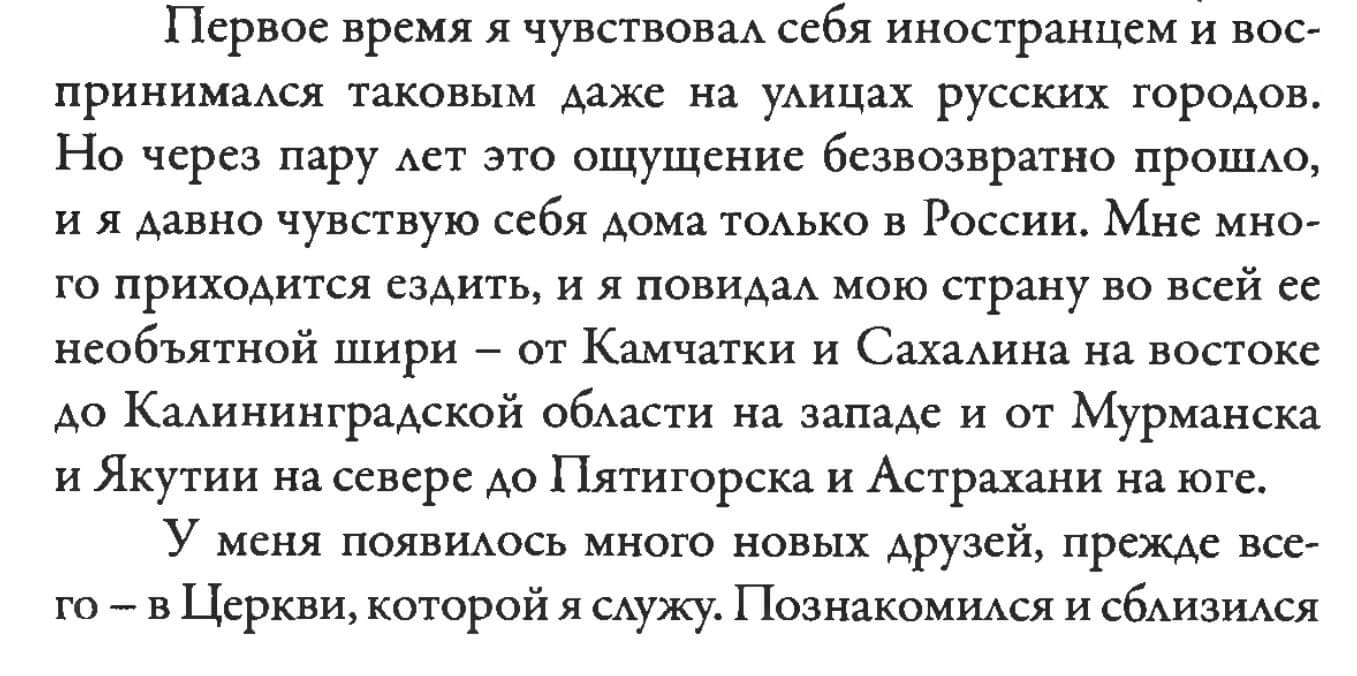
“During the first period, I felt like a foreigner and was perceived as such even on the streets of Russian cities. But after a couple of years, that feeling disappeared completely, and for a long time now I have felt at home only in Russia. I travel a great deal and have seen my country across its vast expanse, from Kamchatka and Sakhalin in the east to the Kaliningrad region in the west, and from Murmansk and Yakutia in the north to Pyatigorsk and Astrakhan in the south.
I acquired many new friends, first and foremost within the Church that I serve. I also met and became close with many European colleagues in sect studies, who are likewise doing everything possible to counter what they view as the sectarian threat.”
For some serial offenders, death becomes a “window of opportunity” that allows obstacles to be removed and identity to be redefined. Research on the autobiographies of serial offenders indicates that the deaths of individuals, particularly those who restricted freedom or controlled access to resources, often coincide with the beginning of a new “phase” of criminal behavior. 6
General Conclusion. Thus, the deaths of Alexander Schmemann, John Meyendorff, and Gleb Kaleda may be regarded as episodes requiring heightened attention in light of the hypothesis of serial latent homicide — a sequence of “natural” deaths, including those of spiritual mentors, that coincided with the career advancement of Alexander Dvorkin. This constitutes a significant behavioral indicator that warrants attention in a comprehensive analysis.
Recurring Pattern. As in the cases of Alexander Schmemann, John Meyendorff, and Gleb Kaleda, a recurring pattern can be observed with the following characteristic features:
- a “strange illness” lasting approximately two years, with temporary remissions;
- death occurring suddenly, during the peak of their active work and future prospects;
- accompanied by a diagnosis of an aggressive form of cancer;
- preceded by personal meetings with Alexander Dvorkin and participation with him in joint events, including religious services;
- Dvorkin subsequently uses their stories in his autobiography to emphasize his exceptional closeness to these authoritative mentors, describing and focusing in detail on their deaths.
Consistency With The Latent Homicide Profile:
| Element | Schmemann (1983) | Meyendorff (1992) | Kaleda (1994) |
|---|---|---|---|
| Role of the victim (moral mirror, authority figure, priest) |
Rector, priest, spiritual father. | Academic advisor, rector, priest, spiritual father. | Immediate superior, rector, scholar, priest. |
| Motive | Removal of moral oversight, threat of exposure of past and/or current negative experience, career advancement. | Termination of supervision, inheritance and/or access to connections with authoritative figures in the United States, career advancement. | Removal of moral oversight, inheritance and/or access to connections with authoritative figures in Russia and Europe, career advancement. |
| Method
Slow, covert influence. Disguised as a natural death. |
Lung cancer (metastases to the brain). | Pancreatic cancer. | Intestinal cancer. |
| Narrative — posthumous idealization |
“The main lesson he taught us was the lesson of his death.”
“In fact, that is how it happened. The merciful Lord fulfilled Father Alexander’s wish, but it occurred much earlier than any of us could have imagined.” |
“It turned out quite differently: he departed at the moment when his talent, experience, and authority seemed most needed. He left after passing the baton to those who labor for his homeland, which he loved deeply but where he was never able to live. In this, too, there is a profound symbolism in his fate.” | “The Pavlov approach.”
“But the Lord judged otherwise. Father Gleb’s earthly ministry ended two weeks before the council. His death was an ideal Christian passing…” |
| Career effect | After Schmemann’s death: transition to Meyendorff.
By Meyendorff’s recommendation he was admitted to the doctoral program at Fordham University, where Meyendorff taught and became his academic advisor. Eight years later, also on Meyendorff’s recommendation, Alexander Dvorkin returned to Russia, to Moscow, where he was hired by the Department of Religious Education and Catechesis of the Moscow Patriarchate. |
After Meyendorff’s death: transition to Gleb Kaleda.
He became a direct contact figure possessing connections in the United States. |
After the death of Gleb Kaleda:
— institutional changes within the Russian Orthodox Church; |
Psychopathological Basis
Considering the facts presented above, it may be concluded that Alexander Dvorkin demonstrates signs of:
— Grandiose narcissism: a need for recognition and the use of authority figures as “stepping stones.”
— Moral dissociation: the ability to carry out destructive acts while masking them as a “struggle against sects.”
— A godlike complex: he does not merely kill, but presumes to decide, at his own discretion, who should live and who should “depart at the proper time.”
— Rebellion against God: the elimination of the “God within a person” (the priest), the “moral mirror,” a prominent and authoritative figure, in order to take that person’s place and prove that “heaven is empty” and that “God will not come to help.”
This research article presents only a portion of the identified episodes from the psychobiographical analysis of Alexander Dvorkin. It appears that Alexander Schmemann and John Meyendorff were among the first in a series of individuals of such stature, priests and influential authority figures, including high-ranking ones, with whom Dvorkin had direct contact, worked, or remained in close proximity. Some of them later died prematurely, allegedly of natural causes, yet very conveniently for Dvorkin himself, including in ways that facilitated the advancement of his career. With some of them, he developed close relationships, manipulating their trust, drawing on his ability to ingratiate himself with people, a skill he had developed during periods of vagrancy and hitchhiking, including solitary journeys.
As noted in research on criminal profiling, serial offenders of this type often select victims who remind them of sin, weakness, or subordination, and their elimination becomes an act of self-deification.
The texts cited above do not contain direct evidence of murder. However, they demonstrate a stable behavioral pattern consistent with the profile of an intellectualized serial killer who commits latent homicides disguised as natural deaths.
Conclusion
Typologies of Serial Killers: A Brief Overview. In criminal profiling, various typological categories of criminal personalities characterized by a heightened level of public danger are recognized. These individuals exhibit stable behavioral patterns, specific motivational structures, and cognitive-affective distortions that develop on the basis of early traumatic experiences, social isolation, and maladaptive fantasies.
One of the most well-known classifications is the Organized/Disorganized typology, developed in the 1970s by members of the FBI Behavioral Analysis Unit, including John Douglas and Robert Ressler.
An organized killer is characterized by careful planning of the crime, the selection of a victim of a specific type, and control at the crime scene. Such individuals tend to display what they perceive as ideal organization in their lifestyle, appearance, workplace behavior, and home life. They are often skilled manipulators and socially competent. They frequently come from what is described as a “good family,” typically with a dominant male authority figure.
Most offenders of this type are perfectionists who view themselves as significantly superior to others. They are often characterized by high intelligence. They tend to regard themselves as more powerful and more important than the rest of society and assume that investigative authorities will not be sufficiently capable of identifying them. At a subconscious level, many serial offenders seek fame, recognition, and public acknowledgment of their supposed “talent” and “superiority.” In doing so, they reveal their distinctive traits and impart a particular “signature” to their crimes. 7
A disorganized killer acts impulsively and without planning. The crime scene reflects the chaotic and random nature of the act. In childhood, such offenders are typically subjected to physical and psychological abuse, often in the absence of a father. They usually spend their childhood and adolescence playing alone and have few friends. They compensate for this isolation by creating imaginary companions that others do not know about. Raised under strict discipline and often coming from lower social strata, these offenders are generally characterized by lower levels of intelligence and may experience psychotic states. 8
The typology developed by Ronald M. Holmes and Stephen T. Holmes is one of the most frequently cited in criminology. Their classification was first presented in the 1985 study Profiles in Terror: The Serial Murderer and later described in detail in the book Serial Murder. 9, 10
They identify several primary types of serial killers based on motivation. A brief overview of some of these types follows. 11
1. Visionary.
The visionary type explains their crimes as the result of visions or voices directing them to kill. This type may be described as psychotic. The offender suffers from a break with reality and exhibits psychotic symptoms such as hallucinations and delusions.
“Suffering from a break with reality, the visionary serial killer murders because he has seen visions or heard voices from demons, angels, the devil, or God telling him to kill a particular individual or particular types of people.” 12
The offender acts in a particular way, believing that God commands him to eradicate evil from society, which he perceives to be embodied in his victims. Alternatively, the voices may be interpreted as coming from satan, and the killing of a given victim is viewed as an expression of a satanic cult. This type of serial killer typically leaves behind chaotic crime scenes. The selection of victims does not follow any coherent pattern. Many offenders of this type suffer from congenital mental disorders, and some are diagnosed with schizophrenia.
An example of the visionary type is the serial killer Herbert Mullin, who acted under the influence of psychotic beliefs and hallucinations. After graduating from high school, he became addicted to drugs, became interested in hippie philosophy, and joined a group associated with that subculture. He was homosexual and exhibited signs of aggression, mental disorder, and deviant behavior.
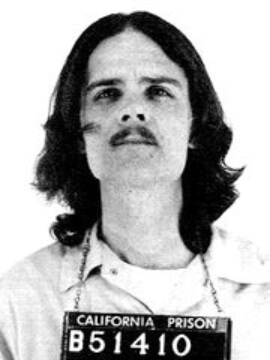
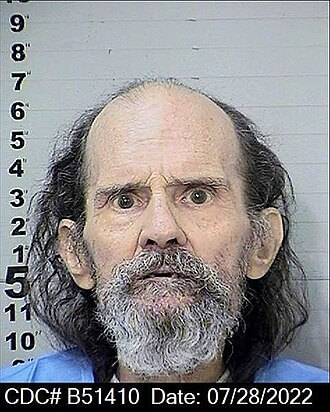
He was treated several times in psychiatric hospitals and was diagnosed with paranoid schizophrenia combined with drug addiction. He suffered from auditory hallucinations. Mullin explained his serial killings by stating that he began hearing the voice of his father commanding him to kill people.
On October 13, 1972, Mullin, then 25 years old, committed his first murder, killing a 55-year-old drifter, Lawrence White. Mullin staged a car breakdown and asked the drifter for help repairing his vehicle in exchange for a ride. Later, he claimed that his victim resembled the biblical Jonah and was sending him telepathic messages: “Hey man, pick me up and throw me over the boat. Kill me so others may be saved.”
A series of murders followed this. Mullin was eventually arrested by police, found guilty, and sentenced to life imprisonment. He died in prison. 13
2. Mission-Oriented.
A mission-oriented killer perceives their goal as the elimination of a particular group of people in order to “cleanse” the world of those whom the offender considers unworthy or undesirable for coexistence within society, the “outcasts of society.” The killings are carried out deliberately, in pursuit of what the offender perceives as a necessary outcome. The act of murder itself becomes the offender’s “mission.” The body is usually found at the location where the crime was committed. Such offenders are often relatively stable, may hold steady employment, and tend to reside for long periods in the same area where they commit their crimes.
An example of this type is the serial killer Joseph Paul Franklin, who was guided by an ideology of racial purification and sought to “rid society” of groups he hated. A former member of the Ku Klux Klan and a neo-Nazi, he killed individuals whom he regarded as “sinners” or “violators of the moral order,” while viewing himself as a “purifier of the race.” Franklin grew up in a troubled family. His father abandoned the family when he was eight years old, and during childhood, he was subjected to severe physical abuse. In high school, he developed an interest in evangelical Christianity, followed later by Nazism. For much of his life, Franklin lived as a drifter, traveling across the East Coast in search of opportunities to “cleanse the world” of those he considered inferior, particularly African Americans and Jews.
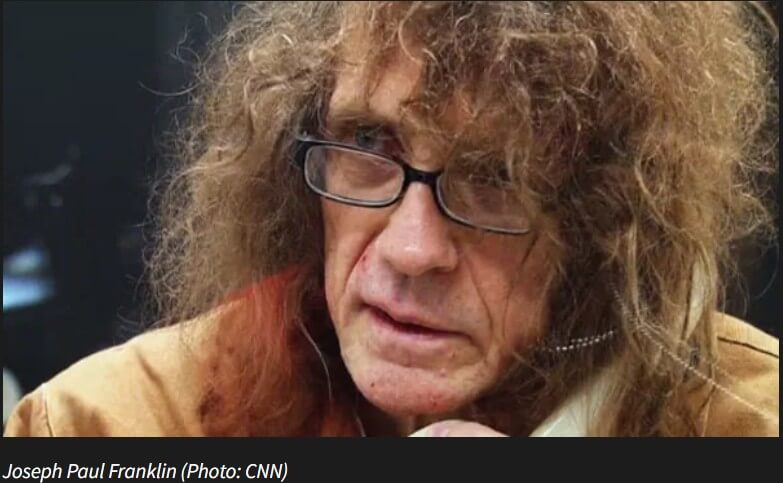
He committed a series of murders. He saw his mission as the destruction of mixed races, which, in his view, were a scourge on American society and acted contrary to God and nature. He regarded himself as a messenger of God, protecting the human race from degeneration. He was arrested by police, found guilty of serial murders, and sentenced to seven life terms as well as one death sentence. He was executed by lethal injection on November 20, 2013. 15
3. Hedonistic.
A hedonistic killer murders for the pleasure derived from the act itself, seeking to satisfy personal desires or emotions. In the FBI classification, hedonistic offenders are divided into three subcategories: sexual gratification (lust), excitement and thrill (thrill), and material gain (comfort). Hedonistic types are typically highly organized individuals who may spend many years pursuing their “ideal murder,” a concept that develops from complex personal fantasies. They are psychologically fixated on the pursuit of intense sensations associated with aggression and violence. Such offenders often feel a strong need to keep their victims at least partially conscious so that they understand what is happening to them. These sadistic killers derive satisfaction from the victim’s pain and suffering and frequently lose interest in the victim after death. (R. M. Holmes & S. T. Holmes, Profiling Violent Crime: An Investigative Tool, 1996.)
This type of offender is often characterized by a high level of intelligence: the perpetrator knows where to find a victim corresponding to the desired type, how to conceal evidence to prevent identification, and where to hide to avoid detection by the police. 7
An example of the hedonistic type of serial killer is Jeffrey Lionel Dahmer, whose motivation was linked to sexual arousal derived from control, dismemberment, and necrophilia. He murdered and dismembered seventeen men and boys. Dahmer was a rapist and a homosexual. He was born into the family of a research chemist. From an early age, he showed an interest in dead animals and their bones. At the age of four, he reportedly watched his father remove animal bones from beneath the family home. Dahmer preserved some animal remains in jars of formaldehyde. At school he was considered an outsider. By the age of fourteen he had begun drinking alcohol frequently. According to Dahmer’s own testimony, during early and middle adolescence, he began to fantasize about dominating and controlling a completely submissive male partner. Shortly before graduating from high school, his parents divorced. Dahmer committed his first murder in 1978, three weeks after finishing high school.

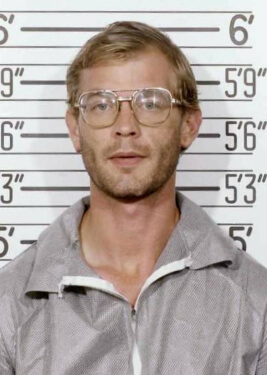
He later employed behavioral patterns typical of hedonistic offenders: he would meet a man or boy, lure him to his home, and offer him a drink mixed with drugs or alcohol. Once the victim lost consciousness, Dahmer raped and killed him. Dahmer was diagnosed with borderline personality disorder, schizotypal personality disorder, and a psychotic disorder. He was arrested by police, found guilty of serial murder, and sentenced to sixteen life terms. On November 28, 1994, Dahmer was beaten to death by a fellow inmate. 16
Another well-known example of this type of serial killer, whose actions were motivated by the pursuit of sexual gratification through sadism and domination, was John Wayne Gacy, also known as the “Killer Clown.” He was known for participating in charitable events dressed as a clown. Gacy was a socially active businessman, and many media outlets reported on his charitable activities for sick children in his role as Pogo the Clown. Many people considered him an ideal husband, father, and citizen. He was accepted in elite social circles, and few suspected that he was, in fact, a serial killer.
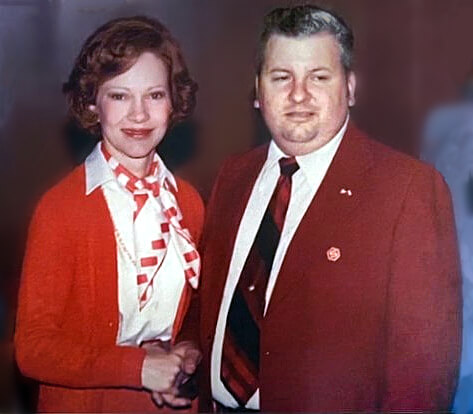
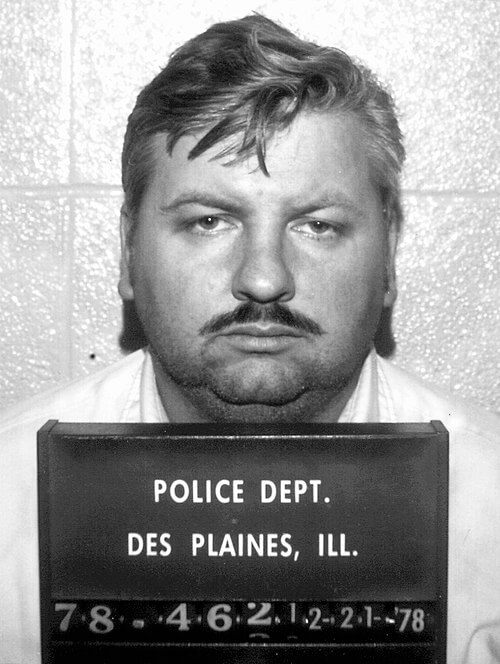
John Gacy grew up in a dysfunctional family. His father was an alcoholic who frequently abused the family and humiliated his son, calling him “stupid and dumb.” At the age of twenty, Gacy left home. He worked for the Las Vegas ambulance service and later spent three months as an assistant at the Palm Mortuary. He then changed several jobs before eventually becoming a businessman. He abused drugs and was homosexual. Gacy lured his victims, raped them, and killed them.
He was eventually arrested by police, found guilty of serial murders, and sentenced to death on March 13, 1980. He was executed by lethal injection.
4. Power/Control.
This type of serial killer derives satisfaction from establishing control over the victim, who is often helpless. A need for power and domination over another person drives the offender’s motives. Such offenders believe they have the right to do whatever they wish to another human being. Power/control killers are also typically well organized. They are closely related to thrill-seeking sadists and hedonistic killers. Their primary objective is to control and dominate the victim. The offender derives satisfaction at the moment when the victim does not even suspect that they are being manipulated or deceived, and that such “interaction” will end in their death. This type of offender most often displays psychopathic or sociopathic traits, personality disorders characterized by a lack of empathy, emotional coldness, impulsivity, and aggression. As a rule, such individuals operate according to their own “laws” and moral principles.
An example of a power/control type serial killer is Theodore Robert Bundy. A sociopath with a narcissistic need to demonstrate superiority, Bundy derived satisfaction from manipulation, subjugation, the suffering of others, and complete control over his victims, even after their deaths. His crimes were characterized by careful planning, deception, displays of superiority, and psychological domination. For Bundy, the illusion of omnipotence was essential: he often played the role of a “rescuer” to gain a victim’s trust, and then deprived the victim of autonomy, which provided him with deep emotional and narcissistic gratification.
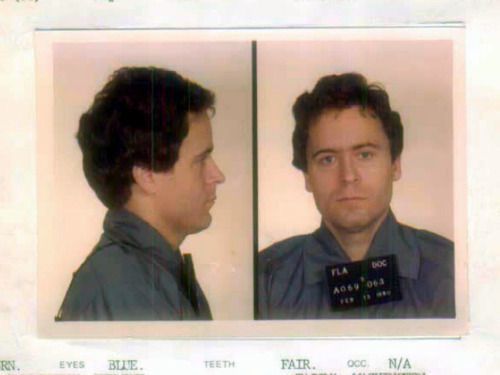
He was raised in a dysfunctional family without one of his parents, by his mother, grandmother, and grandfather. He did not know his father from birth. From childhood he reportedly displayed a tendency to inflict pain and suffering on others, tormenting children and animals. At school he endured ridicule and had no friends. After finishing high school, he entered university. Upon graduating from university, he enrolled in law school. At one point Ted Bundy even worked as an assistant to the director of the Seattle Crime Prevention Advisory Commission, where he authored a brochure on rape prevention for women. Later, he also worked for DES, a state government agency responsible for locating missing women. 18
Bundy was an unusually organized and calculating offender who used his extensive knowledge of law enforcement methods to evade identification and capture for years. His methods evolved over time in terms of organization and sophistication, which is typical for serial killers. As his techniques developed, he became increasingly systematic in selecting victims and crime locations. His crimes were committed across a wide geographic area. The number of his victims reached at least twenty before it became clear that numerous investigators in completely different jurisdictions were pursuing the same individual.
After his capture, Bundy told investigators that he had tried to minimize the physical suffering of his victims and insisted that he had never intentionally tortured any of the people he killed. “A long-term serial killer erects powerful barriers to his guilt,” Keppel wrote, “walls of denial that can sometimes never be breached.” 19
Bundy underwent several psychiatric evaluations. Experts reached differing diagnoses, ranging from bipolar disorder and antisocial personality disorder to narcissistic personality disorder, including its subtype, malignant narcissism. Bundy confessed to thirty murders, although the true number remains unknown.
John Henry Browne, Bundy’s attorney, later stated that “the first person he killed was a young boy when they were playing some kind of sex game in the woods. And so he must have been only 12, 13, 14.” After his final arrest, Bundy was convicted, received three death sentences in two trials, and was executed in the electric chair. 20
Psychological Characteristics of a Serial Killer
Serial killers represent a distinct category of violent offenders characterized by repeated acts of murder committed at intervals and integrated into the offender’s lifestyle. Unlike other types of killers, a serial offender often demonstrates a high level of intelligence, social adaptability, and an ability to manipulate others. This is reflected in the organization of the crime and in the “impeccable” conduct of everyday life, to such an extent that no one would suspect that the individual was capable of such acts. As a result, serial killers often come to the attention of law enforcement only at a mature age.
As a rule, the series of murders becomes embedded in the offender’s way of life, shaping thoughts, social interactions, interests, and even professional activities. In many cases, the deaths of victims become central to the killer’s own sense of life and identity, sometimes playing a defining role in it. Such individuals typically do not arouse suspicion in daily life: they adhere to socially approved norms, may occupy respected positions, and often display exemplary behavior. Living a double life, the serial killer wears a mask of “normality” in order to avoid raising the slightest suspicion. Each crime is usually carefully planned and prepared. The offender attempts to leave no obvious evidence linking them to the crimes, and the crimes are typically committed without witnesses.
An important diagnostic indicator of serial murder is the presence of a cooling-off period between individual acts of violence. This interval may last from several weeks to several years and is characterized by an absence of criminal activity. During the cooling-off period, the serial killer typically leads a socially adapted life that does not arouse suspicion among those around him. However, once this period ends, criminal activity resumes, indicating the cyclical, impulsive-compulsive nature of the behavior.
Most serial killers possess highly developed skills of social manipulation. They can influence others to act in ways that serve their interests. When necessary, they can appear charming and inspire complete trust in their victims. Typical personality traits of serial killers include manipulation, intelligence, charm, deceitfulness, and cunning. Their experience in committing crimes often enables them to mislead police and investigators, remaining undetected for long periods.
Another characteristic observed among serial killers is a tendency toward megalomania, accompanied by a desire for their “greatness” and “exceptional nature” to be noticed and recognized by others. Some offenders are inclined toward mystical beliefs and may perceive themselves as chosen to carry out a grand mission.
“Ressler believed that the conclusion of every murder increases the tension and desire of a serial killer to commit a more perfect murder in the future—one closer to his/her ideal fantasy. Rather than being satisfied when they murder, serial killers are instead agitated toward repeating their killings in an unending ‘serial’ cycle.” 21, 22
In the book by John Douglas and Mark Olshaker, Mindhunter: Inside the FBI’s Elite Serial Crime Unit, the authors describe the evolution of serial killers: “A new type of violent criminal has surfaced in recent years—the serial offender, who often doesn’t stop until he is caught or killed, who learns by experience and who tends to get better and better at what he does, constantly perfecting his scenario from one crime to the next.” As experience accumulates, the offender adjusts his actions in order to take fewer risks and remain at large for longer. 23
A serial killer, particularly one possessing high intelligence and the ability to maintain a convincing social façade, represents a fundamentally different type of destructive personality. Such an individual may spend years constructing a system of cover that prevents others from suspecting him or even considering the possibility of his involvement. He carefully selects victims, methods, and the intervals between crimes in order to avoid suspicion, even among those closest to him. Nevertheless, he remains at the center of a sequence of deaths, and a trail of unusual circumstances, explanations, coincidences, and premature deaths inevitably follows him.
It is important to remember that in his madness he will never stop on his own. Without external intervention, such individuals do not cease voluntarily. On the contrary, with each act of violence his sense of control, vigilance, and impunity intensifies, which over time leads only to escalation, both in the frequency of the crimes and in their brutality. His ultimate objective is the pursuit of personal, total domination and absolute power.
In conclusion, within the framework of this study, it is appropriate to note that the personality profile of Alexander Dvorkin is characterized by a combination of intellectual capacity and a tendency toward manipulation, which enabled him to effectively mask and conceal the true motives and objectives of his activities. Despite this level of concealment, the statistical pattern of associated deaths and extraordinary circumstances indicates a systemic character of violence. Psychological analysis suggests the inevitability of escalating aggression, as his personality structure requires constant confirmation of dominance. The ideological foundation of the subject’s actions is based on the rejection of spiritual values, a form of nihilism manifested in the attempt to prove the absence of higher moral constraints (“heaven is empty”) and to establish total control over society.
Source:
1. Alexander Dvorkin, Teachers and Lessons: Memoirs, Stories, Reflections, 2008. https://www.labirint.ru/books/240384/
2. Massimo Introvigne “In memoriam: Johannes Aagaard (1928–2007)” https://www.cesnur.org/2007/aagaard.htm
3. Massimo Introvigne “Moral Panic and Anti-Cult Terrorism in Western Europe”. https://www.tandfonline.com/doi/pdf/10.1080/09546550008427549
4. Cult Awareness Network. https://en.wikipedia.org/wiki/Cult_Awareness_Network
5. Alexander Dvorkin. “My America”, 2013. https://fb2.top/moya-amerika-813075
6. Canter, D., & Youngs, D. (2009). Investigative Psychology: Offender Profiling and the Analysis of Criminal Action. John Wiley & Sons Ltd. (Canter & Youngs, 2009; Beauregard & Martineau, 2014).
7. Holmes, R. M., & Holmes, S. T. (1996). Profiling Violent Crime: An Investigative Tool (2nd ed.). https://www.ojp.gov/ncjrs/virtual-library/abstracts/profiling-violent-crimes-investigative-tool-0
8. Malizia, N. (2017). Serial Killer: The Mechanism from Imagination to the Murder Phases. Sociology Mind, Vol. 7, No. 2, April 2017.
9. Holmes, R. M., & DeBurger, J. E. (1985). Profiles in terror: The serial murderer. Federal Probation, 49(3), 29–34. https://www.ojp.gov/ncjrs/virtual-library/abstracts/profiles-terror-serial-murderer
10. Holmes, R. M., & Holmes, S. T. (1998). Serial Murder (3rd ed.). SAGE Publications. https://psycnet.apa.org/record/1998-07645-000
11. Douglas, J. E., Burgess, A. W., Burgess, A. G., & Ressler, R. K. (2021). Crime Classification Manual: A Standard System for Investigating and Classifying Violent Crimes.
12. Canter, D. V., & Wentink, N. (2004). An empirical test of Holmes and Holmes’s serial murder typology. Criminal Justice and Behavior, 31(4), 489–515. https://psycnet.apa.org/record/2004-16883-005)
13. «Herbert Mullin». https://en.wikipedia.org/wiki/Herbert_Mullin
14. «Serial killer Joseph Franklin executed after hours of delay», 2013. https://kdvr.com/news/nationalworld-news/serial-killer-joseph-franklin-executed-after-hours-of-delay/
15. «Joseph Paul Franklin». https://en.wikipedia.org/wiki/Joseph_Paul_Franklin
16. «Jeffrey Dahmer». https://en.wikipedia.org/wiki/Jeffrey_Dahmer
17. «John Wayne Gacy». https://en.wikipedia.org/wiki/John_Wayne_Gacy
18. «Profiling Serial Killers: Their Evolution, Main Types, Characteristics, and Worst Manifestations». https://gun-club.net/news/53-profailing-seriinyh-ubiic-ih-evolyucija-osnovnye-tipy-harakteristiki-i-hudshie-projavlenija.html?locale=en
19. Michaud, Stephen; Aynesworth, Hugh (October 1989). Ted Bundy: Conversations with a Killer
20. «Ted Bundy». https://en.wikipedia.org/wiki/Ted_Bundy
21. Vronsky, P. 2004. Serial Killers: The Method and Madness of Monsters. New York: Berkley Books. https://www.psychologytoday.com/us/blog/wicked-deeds/201406/origin-the-term-serial-killer
22. https://www.fbi.gov/
23. John Douglas and Mark Olshaker, Mindhunter: Inside the FBI’s Elite Serial Crime Unit. https://griersmusings.wordpress.com/wp-content/uploads/2021/04/mindhunter-john-douglas-mark-olshaker.pdf