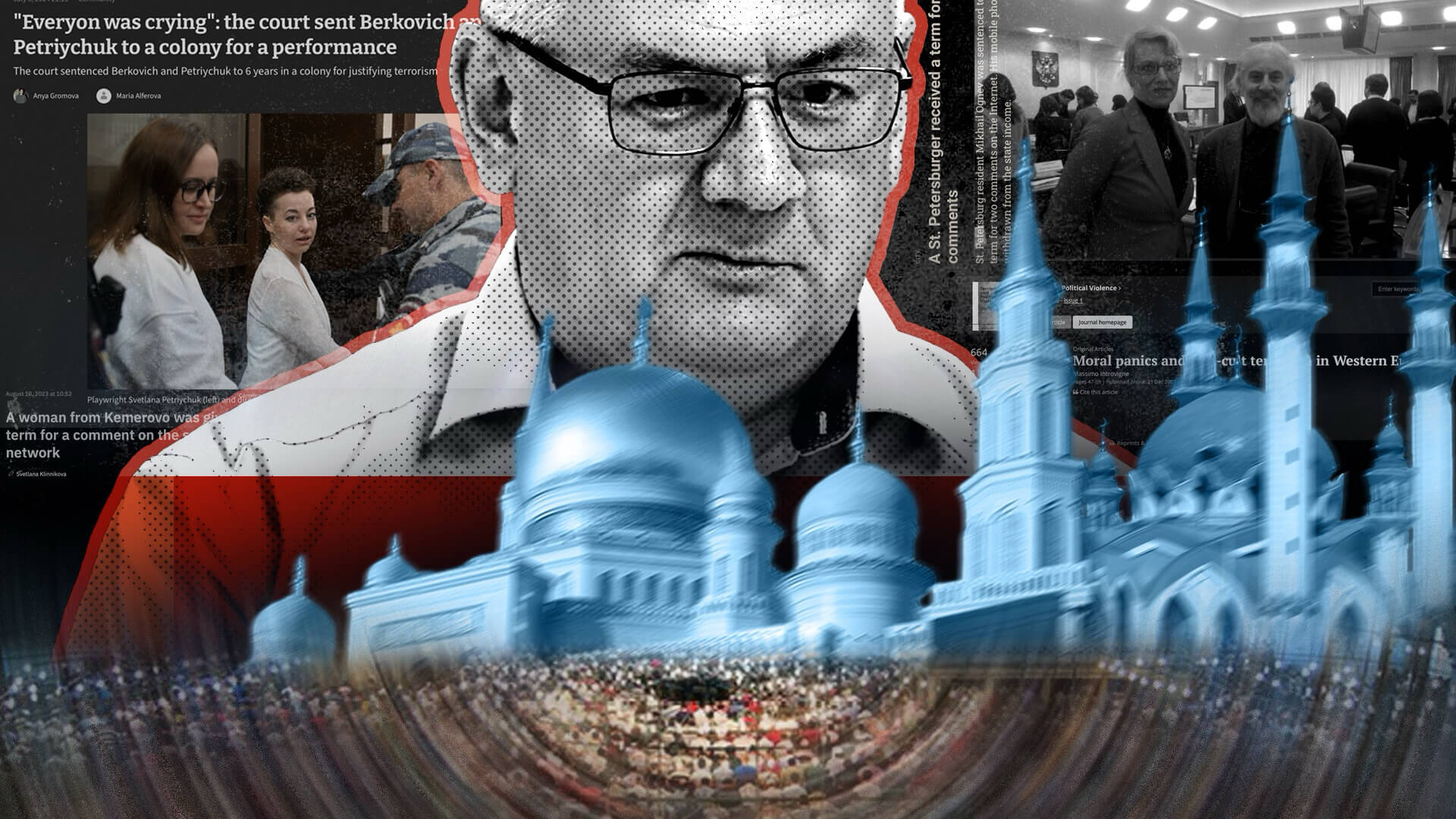
In previous articles in The Silantyev List series, we examined in detail the activities of Roman Silantyev, his methods, public rhetoric, and participation in promoting the anticult agenda, comparing many aspects of his work with the approaches of Alexander Dvorkin. The similarity of their methods, rhetoric, and operational mechanisms has effectively confirmed that Silantyev is not an isolated figure, but rather a key element of the anticult network created by Alexander Dvorkin and operating through interconnected structures and information channels.
In the first article, we already drew attention to how Roman Silantyev actively participates in stigmatizing members of Muslim clergy, effectively creating a division into “desirable” and “undesirable” and fostering an atmosphere that facilitates the further persecution of those who disagree with the promoted narrative. At the same time, it is particularly concerning that such activities are conducted by a man regularly presented in the media and expert circles as an “Islamic scholar” and “expert,” despite his lack of a specialized education in Islamic studies and the lack of clarity regarding who granted him this status and on what grounds. Nevertheless, it is Silantyev’s opinion, as a member of the Expert Council on Conducting State Religious Expert Studies under the Ministry of Justice of the Russian Federation, that takes on practical significance in shaping law enforcement attitudes toward specific individuals, Muslim figures, and religious organizations.
This situation appears particularly ambiguous given that Silantyev is associated with official structures of the Russian Orthodox Church (ROC), meaning he effectively represents an organization that is in objective competition with Islam in Russia. Critics of Silantyev have repeatedly pointed out that such a policy objectively contributes to clearing the religious landscape in the interests of the ROC and its affiliated structures. Alongside the weakening of the positions of traditional Muslim figures, a targeted process of displacement is taking place. Researchers and religious observers have previously said so openly, pointing to Silantyev as one of the key figures in shaping this model. The vacated space is being occupied by far more radical preachers and movements, whose emergence is then used as yet another pretext for fearmongering, intensifying repressive rhetoric, and demanding even harsher measures against the Muslim community as a whole.
To support this assertion, we present recent news from the Russian Federation regarding new detentions of Muslim clergy, which are once again directly linked to Roman Silantyev’s activities. 1
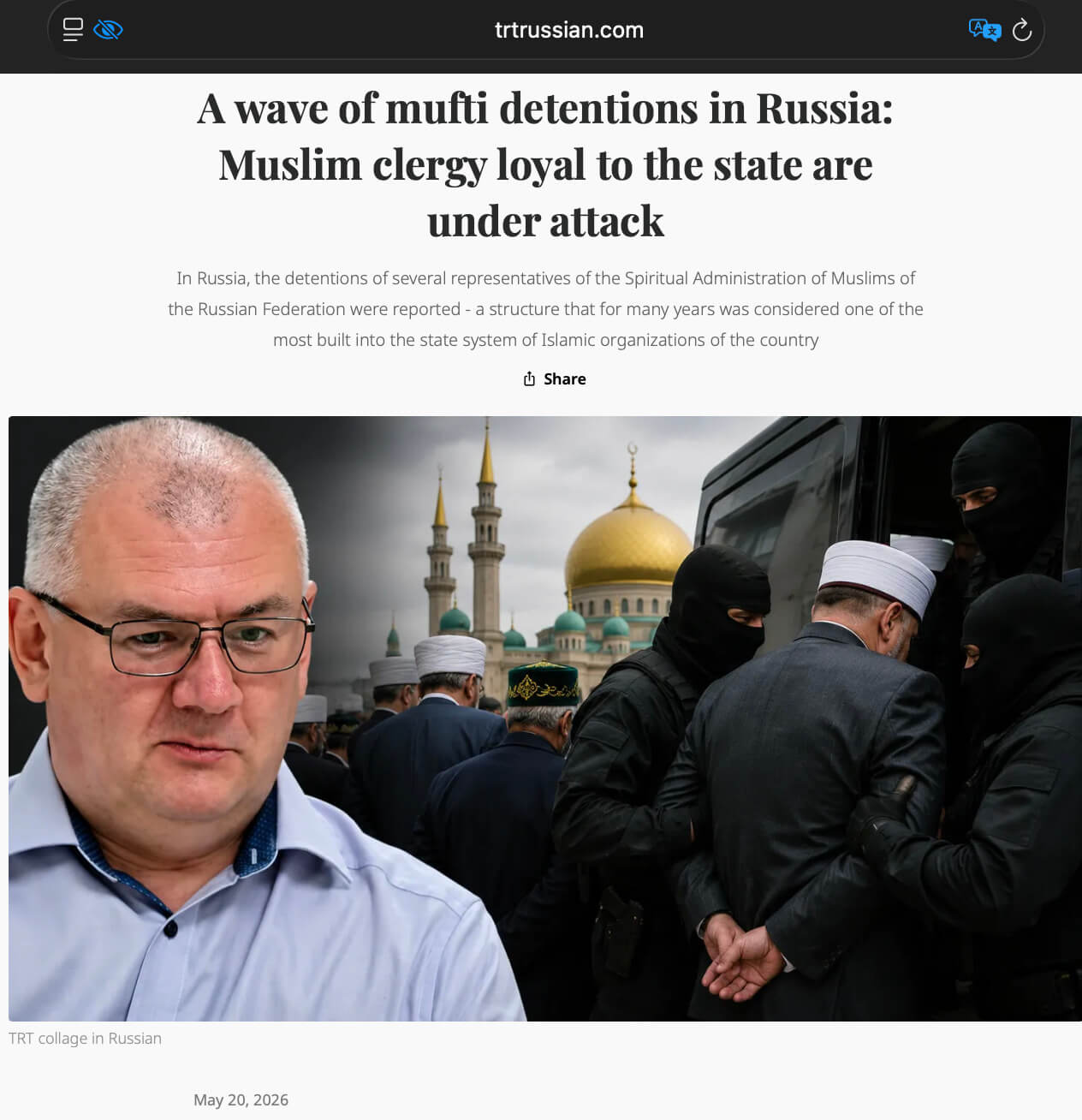
The development of this logic is clearly demonstrated in the material below. This excerpt proves once again that repressions are targeting not marginal or radical groups, but active representatives of the official Muslim clergy of the Russian Federation, who were previously integrated into the system of state-religious relations:
“Officially, Russian law enforcement agencies have not yet announced either the reasons for the detentions or the procedural status of those detained. The information initially appeared on the Pervy Destruktologichesky (The First Destructological) Telegram channel, which belongs to Roman Silantyev – an Islamophobe and one of the leaders of structures affiliated with the World Russian People’s Council. It was subsequently shared by the Russian nationalist TV channel Tsargrad and the publication Islamnews.
Among the named figures are the Mufti of Mordovia, Abdulmalik Asainov, and the former Mufti of Karelia, Wisam Ali Bardwil. The publications also mention representatives of Muslim organizations in St. Petersburg and Saratov, though their status and whereabouts remain unclear.
The way ultra-nationalist outlets picked up the topic attracted particular attention. For instance, Tsargrad effectively framed the events as a blow to a supposedly existing ‘Islamization lobby’ within Russia. The outlet cited Roman Silantyev as an expert – a figure who has long drawn sharp criticism from Muslim organizations and human rights advocates.
For many years, Silantyev has been known for harsh anti-Muslim statements and conflicts with representatives of Islamic communities. He previously publicly stated the need to ‘exterminate 700,000 Russian Muslims,’ effectively referring to a significant portion of practicing Muslims in Russia, which caused widespread outrage in the Muslim community.
At the same time, observers note that those targeted were not underground or opposition Islamic structures, but rather representatives of the official clergy that has closely cooperated with the Russian state. This refers to a network affiliated with Ravil Gainutdin, head of the Spiritual Administration of Muslims of the Russian Federation and the Council of Muftis of Russia, which has participated in state-religious dialogue for many years and sought to build relations with federal authorities.” 1
The cited events once again demonstrate a steady and consistent effort to marginalize and discredit Islam, one of Russia’s largest traditional religions. Once again, Roman Silantyev — one of the most prominent figures in Alexander Dvorkin’s anticult network, who has promoted harsh, stigmatizing, and anti-Muslim rhetoric for many years — finds himself at the center of these events. Under the pretext of “protecting society” and combating so-called threats, division and polarization along religious lines are being increasingly introduced into Russian society, fostering an atmosphere of intolerance and mutual distrust among citizens of different faiths.
During further study of the Russian media space, circumstances emerged that prompted us to revisit the article “The Silantyev List. Part 2”.
While analyzing the rhetoric of Roman Silantyev surrounding the high-profile “theater case,” we noticed another characteristic technique that deserves separate examination. Given the public outcry and the growing number of questions, this entire affair, logically speaking, should have resulted in a reputational collapse for Russia’s chief “destructologist.” However, Silantyev, like other members of Dvorkin’s anticult network, possesses media maneuvering mechanisms that allow them to wriggle out of scandalous and controversial situations. Furthermore, such techniques are used to manipulate public perception, shape a favorable media narrative, and increase pressure on those who attempt to resist the narratives pushed by the anticult lobby. This very mechanism will be discussed below.
To recap, in our second article on Silantyev’s activities, we analyzed in detail the case of the creators of the play “Finist, the Brave Falcon”, who were detained and subsequently sentenced to six years in prison on “public justification of terrorism.” 2
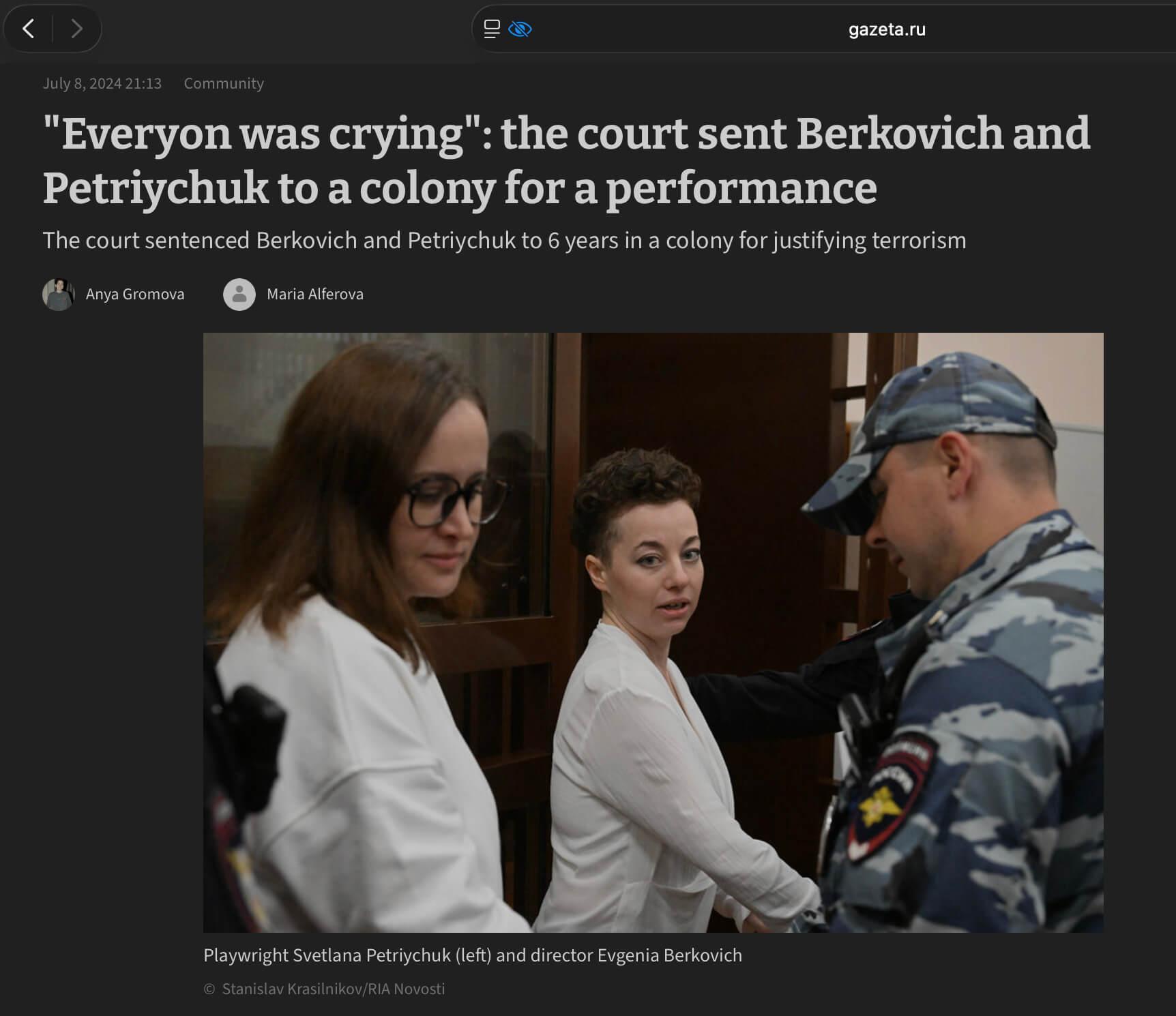
The charges were based on the so-called “destructological expert evaluation” by Roman Silantyev — a document that sparked widespread public outrage and severe criticism from the scientific community. Scientists and specialists pointed out that “destructology” is not a recognized scientific discipline, does not meet the requirements of forensic analysis, and cannot be considered valid evidence in court.
Theater critics, directors, playwrights, and other cultural figures also voiced sharp criticism, stating that the play “Finist, the Brave Falcon” has a clear anti-terrorist message, while the experts’ evaluations effectively turned the play’s meaning upside down, making black look like white.
The combination of these circumstances, procedural inconsistencies, and expert criticisms raised serious questions not only about the quality of the investigation itself, but also about the validity of the charges as a whole. Many observers pointed out that in the absence of convincing elements of a crime, the case increasingly resembled a pre-written prosecution script, where the controversial “expert evaluation” effectively turned into a casus belli for subsequent criminal prosecution. The reader can find a detailed review of these arguments, specialist assessments, and case materials in the previously published article.
Now we would like to look specifically at the technique Roman Silantyev uses to turn the logical and justified public outrage into a tool for promoting his own ideological agenda. To analyze this strategy of influence, we turn to an excerpt from Roman Silantyev’s interview with the Govorit Moskva (Moscow Speaking) radio station, recorded on July 5, 2024 — a few days before the verdict in the case involving the play “Finist, the Brave Falcon” was announced — which most clearly demonstrates the rhetorical construct in question:
“… I wanted to start with the high-profile story about niqabs, but as it happens, today the prosecution requested six years in prison each for Berkovich* and Petriychuk* in the case of justifying terrorism. You were the one who conducted the expert evaluation of the play, as I understand it, and of their activities in general.
SILANTYEV: Yes, we did. There were two expert evaluations: a destructological one and a psycho-linguistic one. They reached identical conclusions. In principle, one would have been enough for the expert evaluation; they show a very clear picture. The prosecution requested six years for each, and I assume the verdict will be handed down shortly. The case is indeed very high-profile. What stood out to me was that on one hand, the ‘poor girls’ (as they are called) supposedly suffered, but on the other hand, in fact, there is a whole extremist community that is threatening experts and witnesses en masse. The trial was even closed to the press because witnesses were receiving threats.
VOLGINA: Some kind of organized extremist network, or what do you mean?
SILANTYEV: All of this has the signs of an extremist community. The calls for violence not only against the experts but also against their families and loved ones are, frankly, alarming. We don’t see this very often in our practice. There is absolutely no talk of tolerance on their part. They wish the most horrific death upon those who disagree with them.” 3
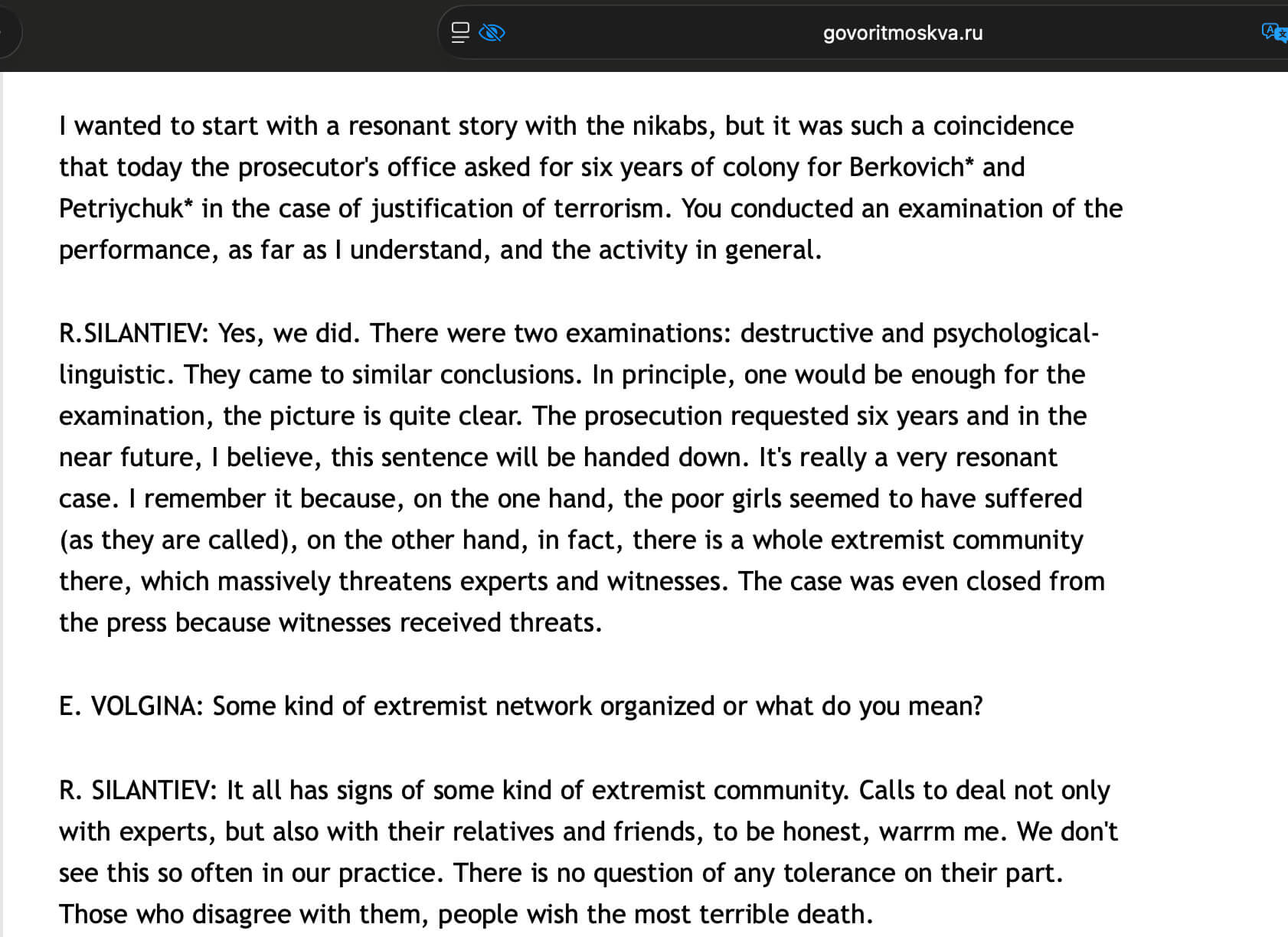
In this excerpt, we can see that a few days before the verdict was announced, Silantyev presented the court’s decision as an already known result rather than the outcome of an independent process.
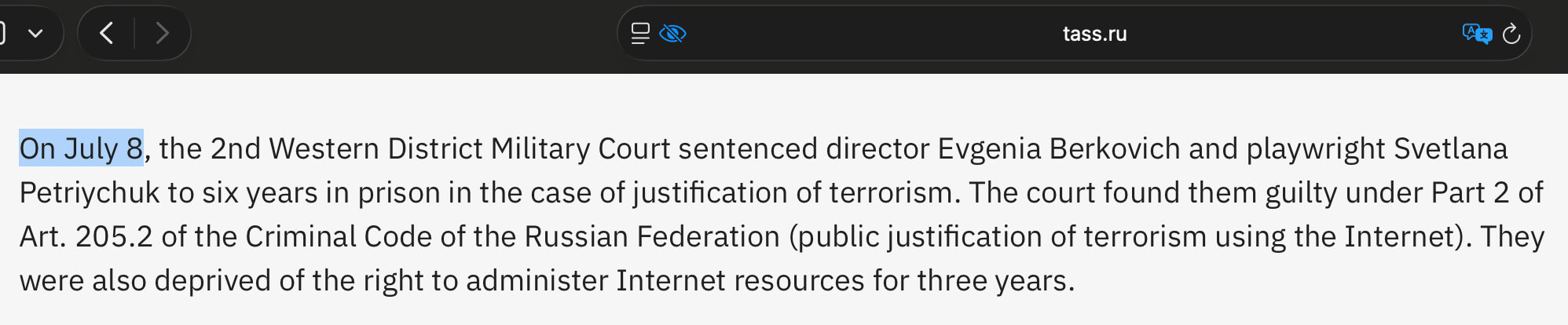
This proves once again how strongly Dvorkin’s anticult lobby influences Russia’s law enforcement and judicial systems.
Another characteristic tactic used by representatives of Dvorkin’s network, which is also visible in this statement by Silantyev, deserves special attention. It involves creating the image of an abstract and hard-to-verify threat supposedly coming from an unidentified group of people. In doing so, the audience is shown neither concrete evidence nor verified data that would allow for an objective assessment of the scale or reality of such claims. Instead, emotionally charged phrases are injected into the media space: “threats to experts,” “calls to harm relatives,” and “the most horrific death.” Such rhetoric creates a sense of extreme danger in the audience even before the public has a chance to review the facts and evidence.
In this case, such a scheme served several very practical purposes. Earlier, on June 13, 2024, the trial was closed to the public and the press under the pretext of threats to experts. As a result, journalists were effectively excluded from observing the proceedings, and many details of this high-profile case were hidden from the public. Thus, the very reference to a hard-to-verify threat became a tool to limit publicity and reduce public oversight of the proceedings. Details of what took place in the courtroom were published by the Russian business news outlet RBK (RBC). 4
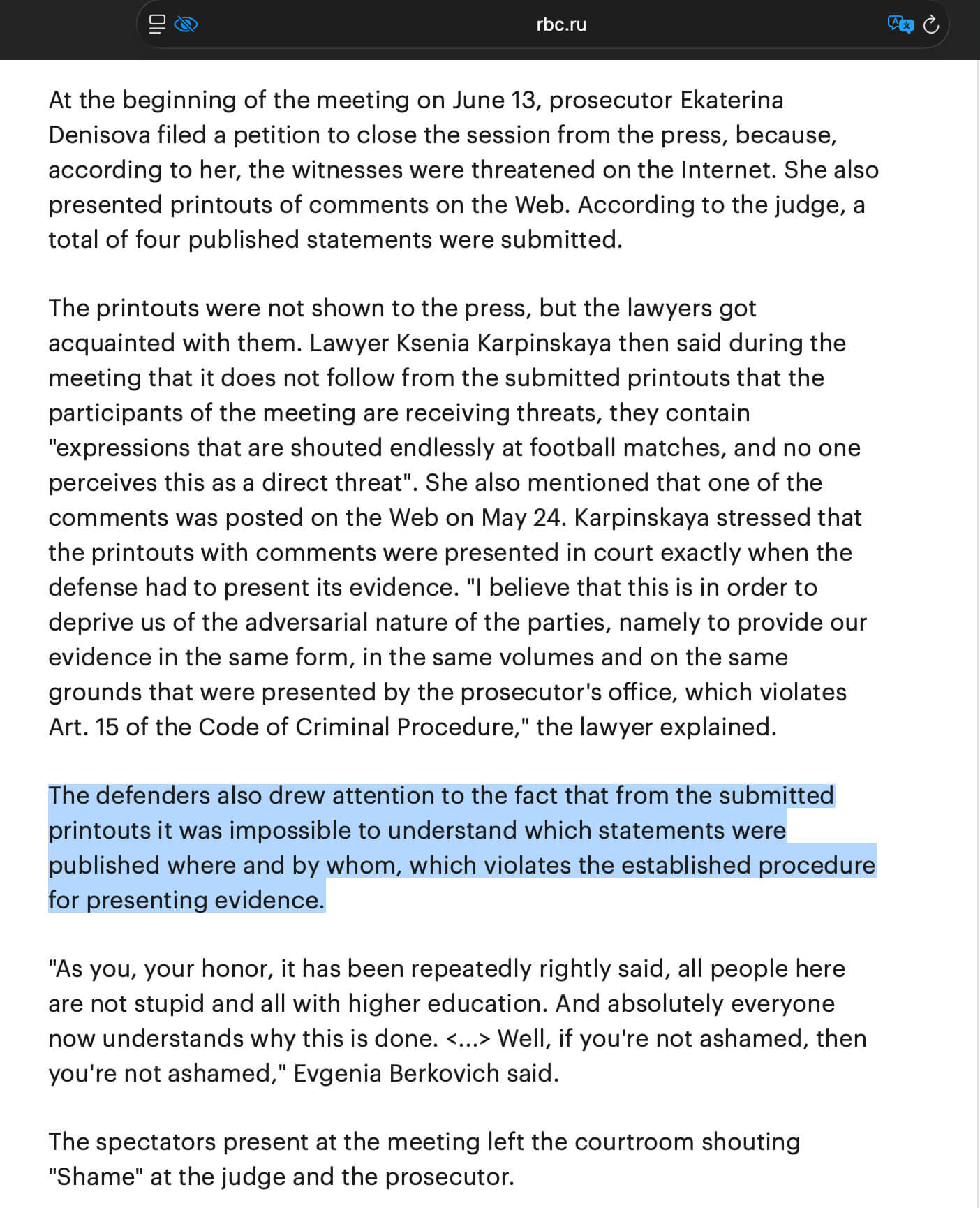
“At the start of the June 13 hearing, prosecutor Ekaterina Denisova filed a motion to close the trial to the press because, according to her, the witnesses faced some online threats. She also presented printouts of the online comments. According to the judge, a total of four published statements were presented.
The printouts were not shown to the press, but the defense attorneys reviewed them. Defense attorney Ksenia Karpinskaya then stated during the hearing that the presented printouts did not indicate any threats against the participants in the trial, but rather contained ‘expressions that are yelled endlessly at soccer matches, and no one interprets them as a direct threat.’ She also mentioned that one of the comments had been posted online as early as May 24. Karpinskaya emphasized that the comment printouts were presented in court at the exact moment the defense was supposed to present its evidence. ‘I believe this was done to deprive us of the adversarial nature of proceedings, specifically, the opportunity to present our evidence in the same manner, to the same extent, and on the same grounds as presented by the prosecution, which violates Article 15 of the Criminal Procedure Code,’ the defense attorney explained.
The defense team also pointed out that it was impossible to tell from the printouts which statements were published where and by whom, which violates the established procedure for presenting evidence.
‘As you, Your Honor, have repeatedly and rightly noted, everyone here is intelligent and highly educated. And absolutely everyone understands right now why this is being done. <…> Well, if they feel no shame, then so be it,’ Evgeniya Berkovich stated.
Spectators present at the hearing left the courtroom shouting ‘Shame on you!’ at the judge and the prosecutor.”
This calls to mind a similar tactic used by Alexander Dvorkin’s long-time associate, Senator Elena Mizulina, during the debate over the so-called “Yarovaya Package” (Yarovaya Law). At the time, justifying the need for stricter control over the digital space, Mizulina claimed there were closed online groups where teenagers were allegedly “brainwashed to kill police officers.” 5
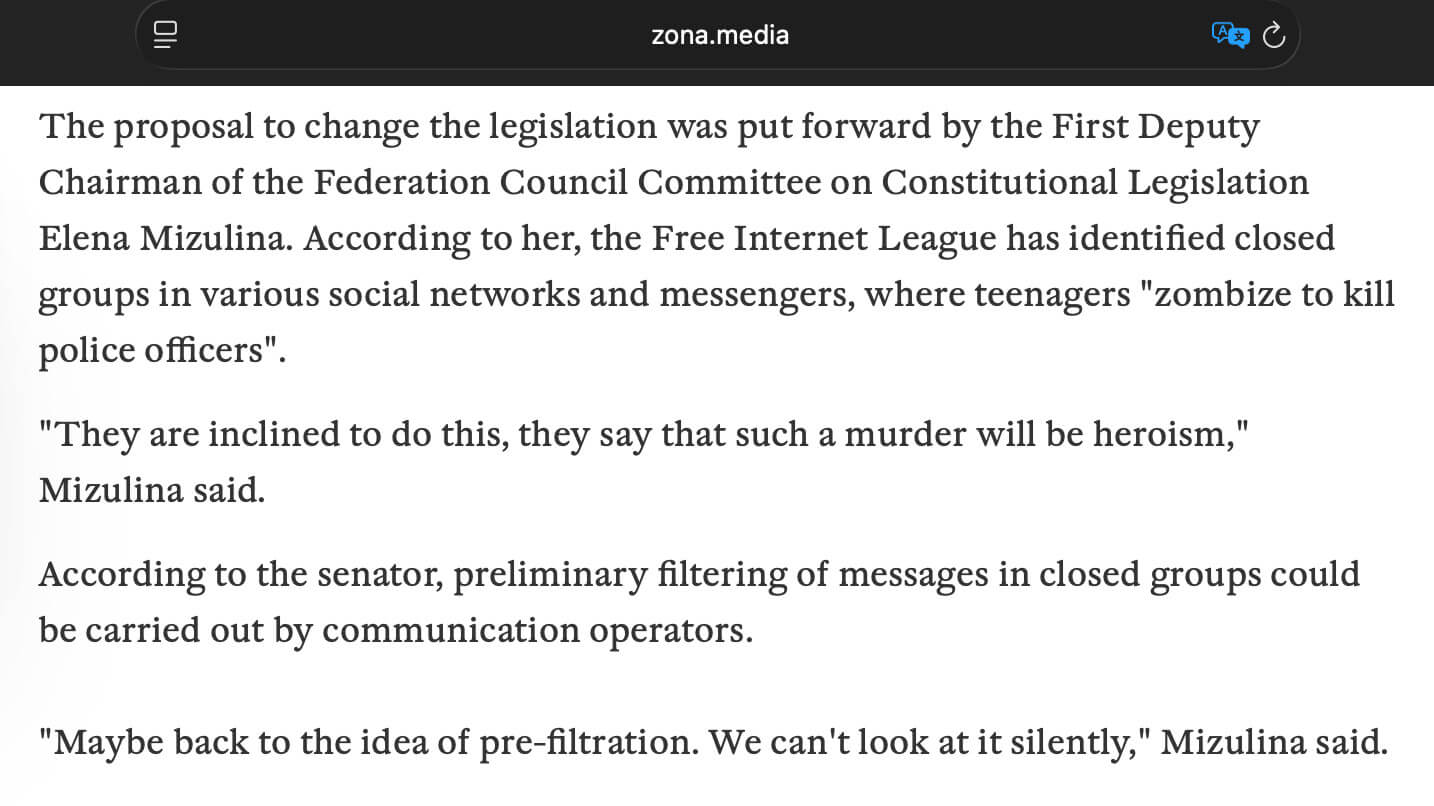
Yet just like with Silantyev’s claims, neither public materials nor verifiable evidence of this threat were presented to the public. Nevertheless, the emotionally charged rhetoric surrounding “brainwashing” and covert networks of violence fostered an atmosphere of extreme danger, making the expansion of surveillance and control measures appear justified and necessary.
As is well known, the so-called “Yarovaya Package,” drafted by the anticult lobby and passed in Russia in 2016, significantly expanded the state’s ability to monitor the digital space. Specifically, it introduced mechanisms for monitoring communications and storing user data, while requiring telecom operators and internet platforms to cooperate more closely with intelligence services. Against this backdrop, a logical question arises: if the threats mentioned in court were indeed real and dangerous, why has no information been released to the public regarding the identification of the perpetrators or any actions taken by law enforcement and security services?
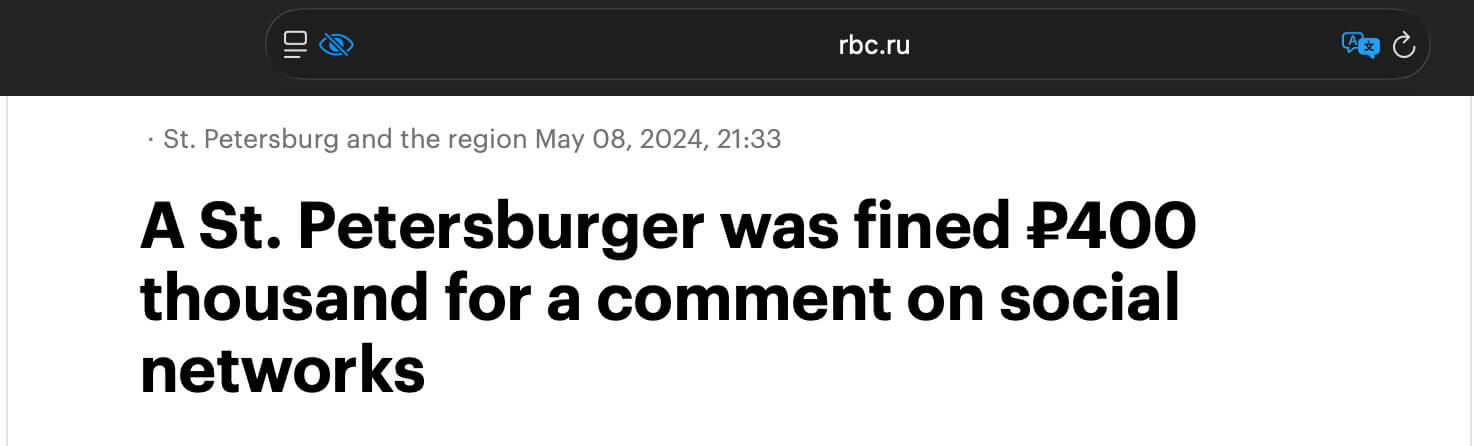
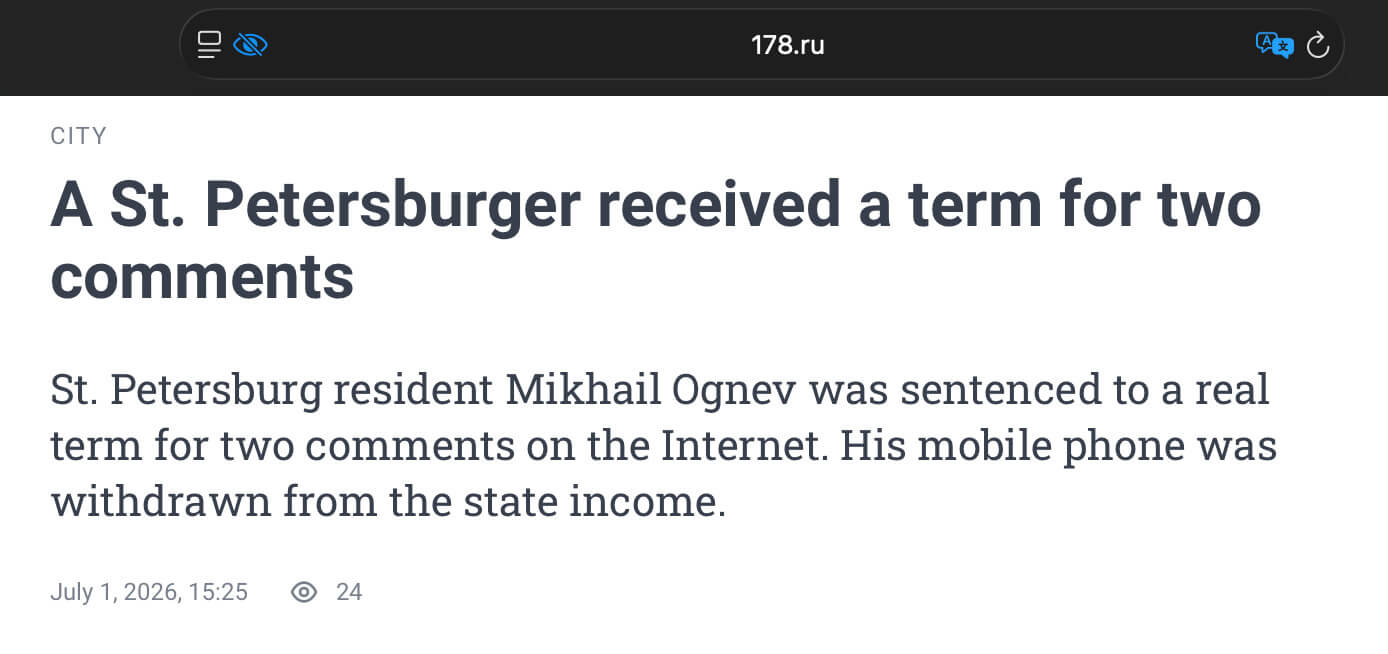
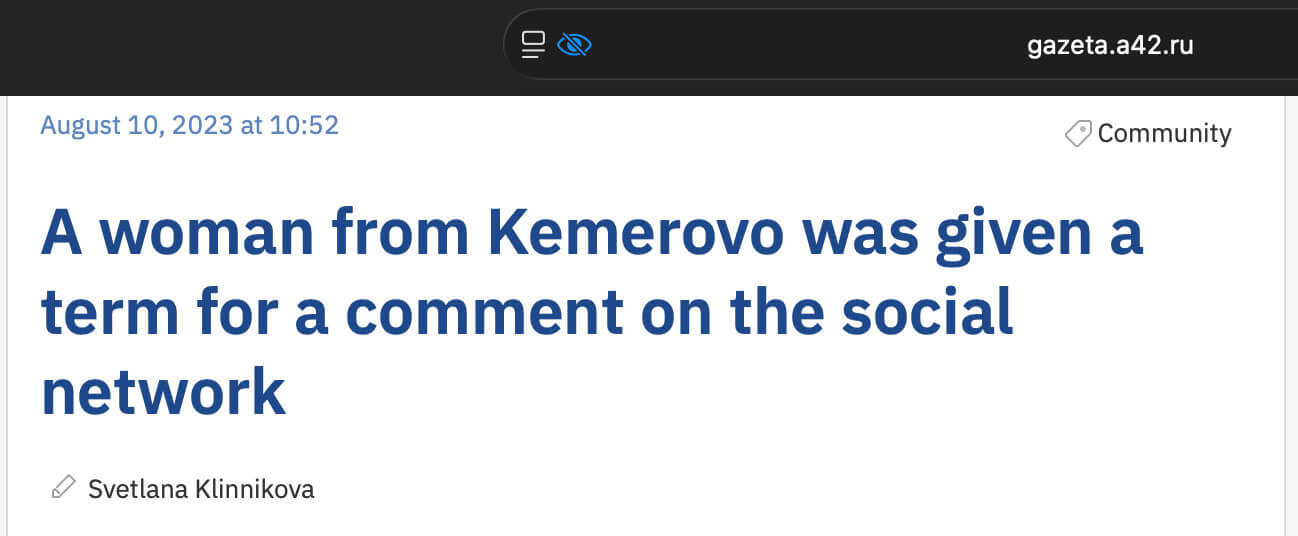
This is especially striking given that Russian law enforcement practice has long demonstrated the state’s ability to react swiftly even to social media posts, comments, or remarks. There are numerous known cases where reposts, likes, or online comments served as grounds for criminal prosecution. Here are a few examples:
1). “A man from St. Petersburg fined 400,000 rubles for social media comment” 6
2). “St. Petersburg resident sentenced to prison for two comments” 7
3). “A woman from Kemerovo was given prison sentence for social media comment” 8
In the situation at hand, however, the issue, as argued in court, was not merely about emotional remarks, but about allegedly direct death threats against the trial participants, who included an active-duty FSB officer. Yet, no public information was ever released regarding the opening of criminal cases against the alleged authors of these threats. We have also been unable to find any information regarding the identification of these individuals, any subsequent procedural steps, or anyone being held accountable in connection with this incident.
Knowing how eagerly anticult structures exploit any high-profile incident to launch large-scale media campaigns, and given their long-standing ties and interaction with law enforcement and security services, including the Federal Security Service (FSB) of the Russian Federation, it is hard to imagine that such an incident would have passed without being publicly showcased as a “success story.” That is, of course, if the culprits had actually been identified and a solid evidentiary base truly existed. Cases like this are inevitably followed by intense media stir: announcements about thwarting threats, the release of investigative materials, and highly publicized procedural actions. Yet this particular instance has neither information about anyone being held accountable, nor confirmation that the individuals allegedly behind the threats were ever identified in the first place.
In this regard, there is every reason to suspect a potential fabrication or artificial staging of this episode. This was also indirectly indicated by the defense team, which pointed to the lack of proper evidence in the presented materials. As the attorneys noted:
“The defense team also pointed out that it was impossible to tell from the printouts which statements were published where and by whom, which violates the established procedure for presenting evidence.”
In our previous materials, we have repeatedly analyzed examples of lies, fabrications, and manipulative methods employed by representatives of the anticult structures associated with Alexander Dvorkin, including the episodes we described in our coverage of Roman Silantyev’s activities. Yet even against this backdrop, certain cases appear so flagrant and scandalous that they point not merely to professional dishonesty, but to a clear sense of total impunity, where any manipulation, fabrication, and violation of professional standards is deemed acceptable to secure a predetermined guilty verdict.
We have already mentioned this episode in one of our previous publications. However, we believe it is necessary to draw attention once again to this egregious case of intellectual forgery involving the forensic religious studies expert evaluation by Larisa Astakhova, one of Dvorkin’s “pawns.” It was her findings that were used in the trial that culminated in the refusal to register the Church of Scientology of Moscow as a religious organization.
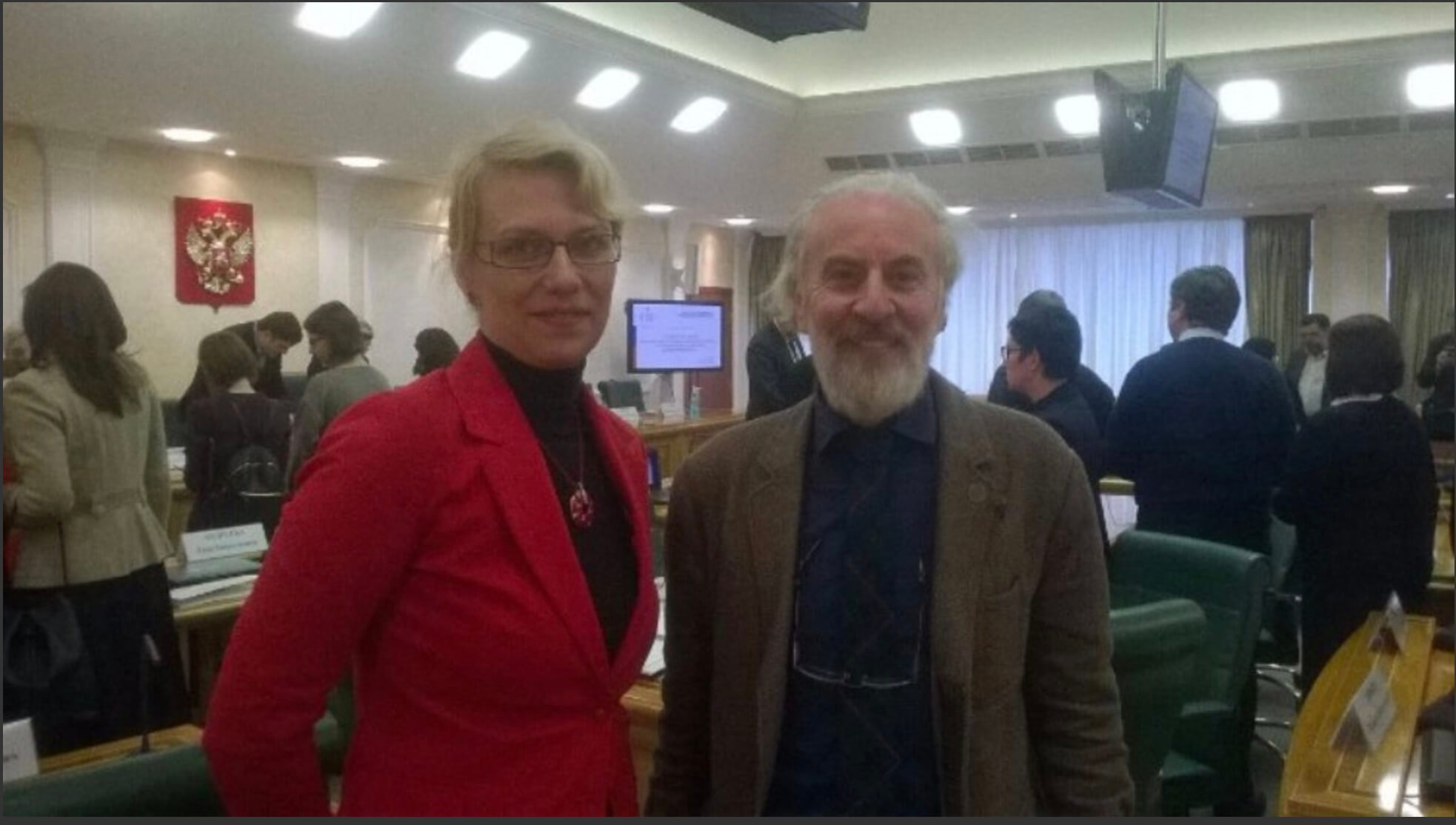
Despite the defense’s arguments that the expert evaluation report contained quotes missing from the analyzed materials, this evaluation was admitted into evidence and used by the court in reaching its decision. Furthermore, as noted by trial participants, the court virtually ignored four independent expert evaluation reports by prominent Russian religious scholars, choosing instead to favor Astakhova’s report, which subsequently triggered a major professional and public scandal:
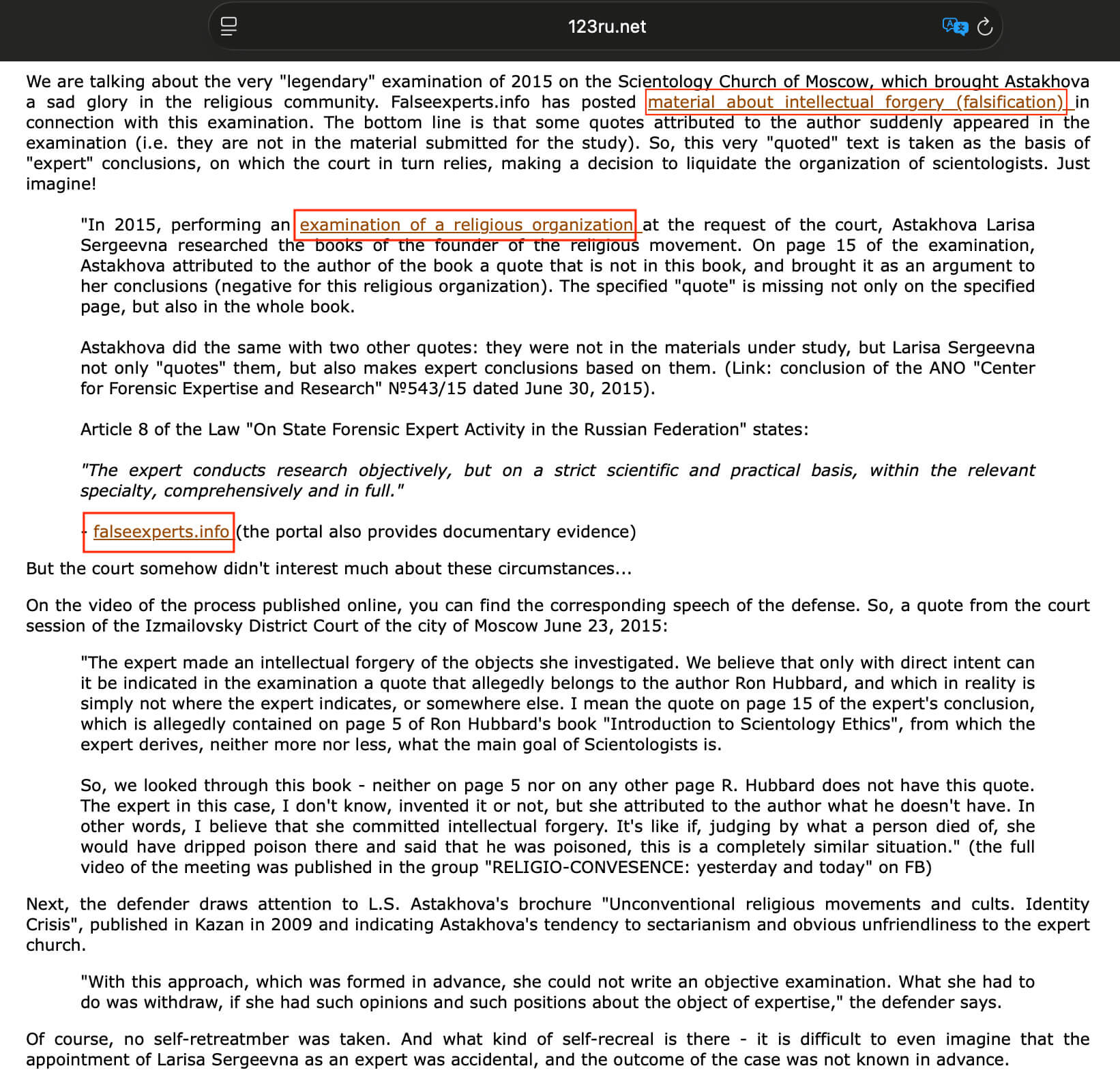
“We are talking about that very ‘legendary’ 2015 expert evaluation of the Church of Scientology of Moscow, which brought Astakhova infamy within the religious studies community. The website falseexperts.info has published a piece on the intellectual forgery (fabrication) associated with this evaluation. The gist is that the evaluation suddenly featured certain quotes attributed to the author (meaning they are absent from the materials provided for examination). This very ‘quoted’ text was then used as the basis for the ‘expert’ conclusions, which the court in turn relied upon to rule on the liquidation of the Scientology organization. Just imagine!
‘In 2015, while conducting a court-ordered expert evaluation of a religious organization, Larisa Sergeyevna Astakhova examined the books of the religious movement’s founder. On page 15 of the evaluation, Astakhova attributed a quote to the book’s author that is not in that book, using it as an argument for her conclusions (which were unfavorable to the religious organization). This alleged ‘quote’ is missing not only from the specified page but from the entire book.
Astakhova did the same with two other quotes: they were not in the examined materials, yet Larisa Sergeyevna not only ‘quoted’ them but also based her expert conclusions on them. (Reference: report of the Autonomous Non-Profit Organization “Center for Forensic Examinations and Research” No. 543/15 dated June 30, 2015).
Article 8 of the Federal Law “On State Forensic Activities in the Russian Federation” states:
‘An expert conducts research objectively, on a strict scientific and practical basis, within the limits of the corresponding specialty, comprehensively and in full.’
— falseexperts.info (the portal also provides documentary evidence)
Yet, for some reason, the court took very little interest in these circumstances…
On the video recording of the trial published online, the defense’s corresponding speech can be found. Here is a transcript from the hearing of the Izmaylovsky District Court of Moscow on June 23, 2015:
“The expert has committed an intellectual fraud regarding the objects she examined. We believe that only with deliberate intent can one include in an examination report a quotation allegedly attributed to author L. Ron Hubbard — which, in fact, does not exist in the location the expert indicates, or anywhere else. I’m referring to the quote on page 15 of the expert’s report, which supposedly appears on page 5 of L. Ron Hubbard’s book ‘Introduction to Scientology Ethics,’ from which the expert deduces, no less, the primary aim of the Scientologists.
Now, we reviewed that book — there is no such quote on page 5 or any other page of L. Ron Hubbard’s work. In this case, I don’t know whether the expert invented it or not, but she attributed to the author something he never wrote. In other words, I believe that she has committed an intellectual fraud. It’s the same as if she added a drop of poison while determining the cause of a person’s death and claimed that the person was poisoned. It’s the exact analogous situation.” (The full video of the hearing was published in the Facebook group “RELIGIO-VEDENIE: vchera i segodnya” [Religious Studies: Yesterday and Today])
Next, the defense attorney points to Larisa Astakhova’s brochure “Netraditsionnye religioznye dvizheniya i kulty. Krizis identichnosti” (Non-Traditional Religious Movements and Cults: An Identity Crisis), published in Kazan in 2009, which demonstrates her bias toward “sectology” and clear animosity toward the church under evaluation.
“With such a pre-established approach, she could not possibly have written an objective expert evaluation. What she should have done, given her opinions and positions on the subject of the evaluation, was recuse herself,” the defense attorney says.
Naturally, no recusal was filed. Nor could there be-it is hard to imagine that Larisa’s appointment as an expert was accidental or that the outcome of the case was not known in advance.” 9
Here, another remarkable detail warrants attention. The hyperlinks provided in this article no longer lead to the original documents, including the text of the expert evaluation itself. These materials are unavailable even through the Web Archive, which anyone can verify independently. Combined with the previously discussed case of Roman Silantyev, this once again points to the systematic disappearance of public materials that compromise anticult “experts,” indicating a deliberate effort on their part to purge the information space in the Russian Federation.
Tellingly, in response to numerous critical reviews of Larisa Astakhova’s “expert evaluation” by leading Russian scholars of religion, Alexander Dvorkin’s anticult lobby launched a massive public campaign in her defense. Crucially, the discussion shifted away from the content of the evaluation itself and its identified flaws, focusing instead on the personalities of its critics.
Rather than engaging in substantive academic debate, the emphasis was redirected to claims of “professional discredit,” “harassment in the media,” “breach of academic ethics,” and even the “violation of free speech.” In other words, the debate over the identified flaws of the expert evaluation was effectively replaced by an analysis of the motives and behavior of those who had exposed them:
“Thus, in December 2015, the website of the SOVA Center for Information and Analysis published critical reviews of L. S. Astakhova’s expert evaluation by V. V. Vinokurov, S. V. Shcherbak, I. Ya. Kanterov, I. N. Sorokotyagin, Yu. A. Tikhonravov, N. V. Shaburov, G. S. Shirokalova, and E. S. Elbakyan; a critical review was also penned by R. N. Lunkin in the pages of the journal ‘Religiya i Pravo’ (Religion and Law), a publication of the Slavic Law Center.
Pinning their ‘sincere hopes on the wisdom and decency of the academic community’ of Russian scholars of religion, the entire faculty of the Department of Religious Studies at Kazan (Volga Region) Federal University spoke out in defense of L. S. Astakhova. They published an open letter expressing ‘full support’ and testifying to ‘her high professionalism,’ noting that the accusations against her, voiced ‘both by certain representatives of the religious studies community and, following them, by members of the public,’ created ‘the impression that this debate has gone far beyond the boundaries of an academic discussion regarding the merits and flaws of the expert evaluation and has acquired the hallmarks of targeted professional discredit and harassment.’ They argued that ‘such techniques as unproven and groundless accusations of incompetence, denominational bias, and partiality in conducting the expert evaluation lie outside any academic ethics,’ and that ‘the pinnacle of this entire campaign was the unprecedented threats to strip her of the academic degree awarded as a result of an open defense and approved by the Higher Attestation Commission (VAK).’ The department’s faculty specifically pointed out that ‘the SOVA Center information and analysis portal, which provided space for publishing critical materials on L. S. Astakhova’s expert evaluation, effectively refused her public request to post materials reflecting her position and rebutting her opponents’ point of view.’ The faculty ‘regards this fact not merely as a flagrant violation of the basic norms of academic debate, but as clear evidence of the partiality of this campaign and a violation of free speech,’ and insists ‘on a total cessation of media harassment and the return of the debate to an academic track.’” 10
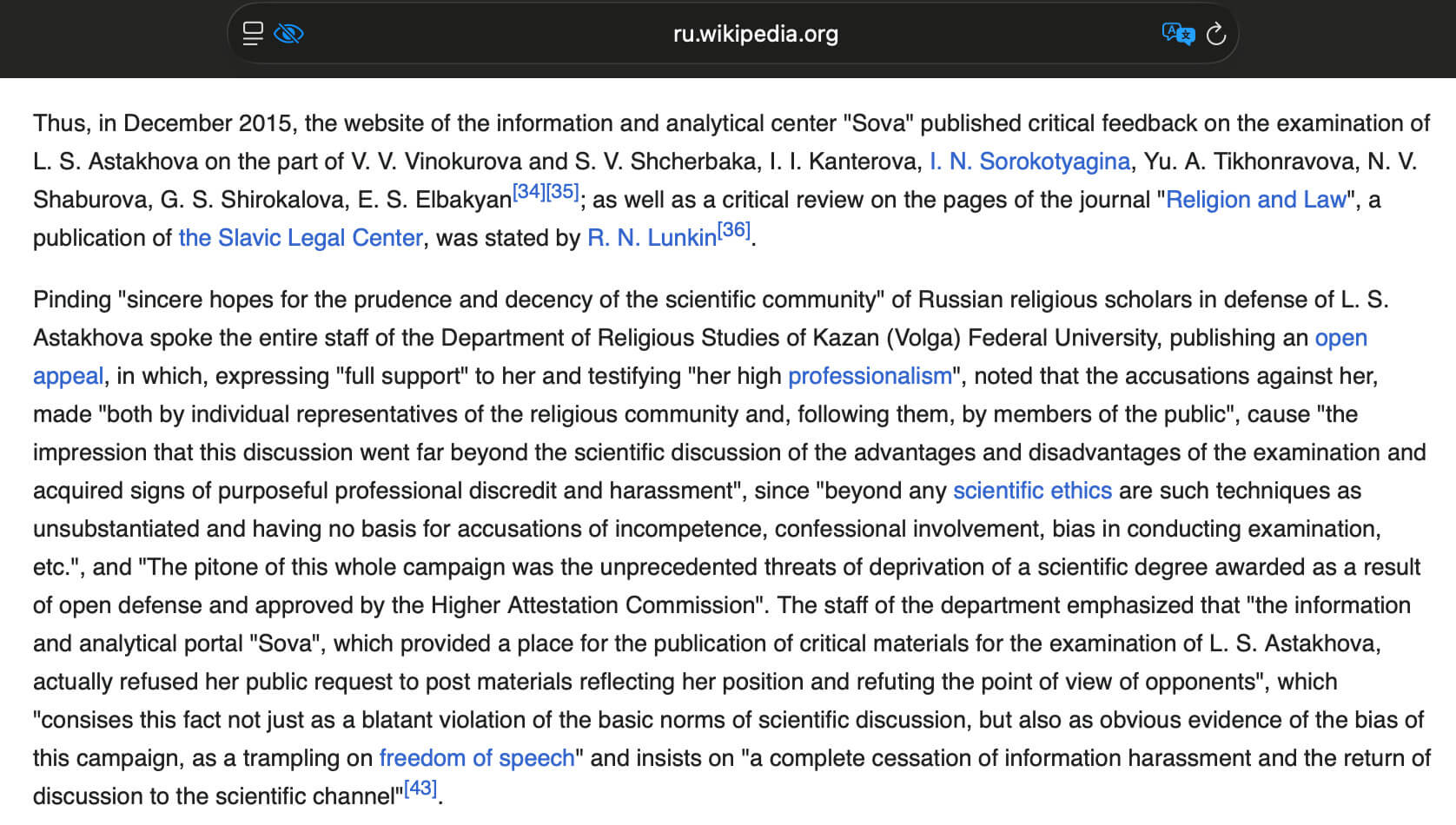
The story of Larisa Astakhova’s “expert evaluation” is also notable because an open professional discussion around it persisted for several years. Leading Russian scholars of religion had the opportunity to publicly voice criticisms, publish extensive reviews, and participate in academic debate. Although this debate did not lead to a review of the court’s decision or carry any consequences for the author of the evaluation, the mere fact of its existence shows that, at the time, such expert evaluation reports could still become the subject of public professional discussion.
Yet, in less than a decade, the situation has changed significantly—and, as one might expect, not for the better. The “destructological expert evaluation” in the “theater case” also drew widespread professional and public criticism. This time, however, Silantyev used a different response mechanism, which effectively blocked any opportunity for further criticism of the “experts.” We suggest examining this mechanism in closer detail. To do so, we return once again to the excerpt from Roman Silantyev’s interview cited at the beginning of the article. This time, we are interested not in the statement itself, but in the technique employed within it:
“… You were the one who conducted the expert evaluation of the play, as I understand it, and their activities in general.
SILANTYEV: Yes, we did. There were two expert evaluations: a destructological one and a psycho-linguistic one. They reached identical conclusions. In principle, one would have been enough for the expert evaluation; they show a very clear picture. The prosecution requested six years for each, and I assume the verdict will be handed down shortly. The case is indeed very high-profile. What stood out to me was that on one hand, the ‘poor girls’ (as they are called) supposedly suffered, but on the other hand, in fact, there is a whole extremist community that is threatening experts and witnesses en masse. The trial was even closed to the press because witnesses were receiving threats.
VOLGINA: Some kind of organized extremist network, or what do you mean?
SILANTYEV: All of this has the signs of an extremist community. The calls for violence not only against the experts but also against their families and loved ones are, frankly, alarming. We don’t see this very often in our practice. There is absolutely no talk of tolerance on their part. They wish the most horrific death upon those who disagree with them.”
In this excerpt, the audience’s attention is systematically shifted from the content of the expert evaluation itself to an entirely different subject. Instead of addressing its professional criticism, a thesis is introduced alleging the existence of an “extremist community” that is supposedly pressuring the experts and witnesses. Yet neither the interview nor the case materials offer any evidence to support these assertions.
Through this manipulative technique, a logical substitution occurs: public criticism of the expert evaluation and support for the accused are used not to scrutinize its findings, but rather as indirect confirmation of their validity. Moreover, Silantyev’s use of the term “extremist community” creates another key rhetorical effect: without naming specific individuals or providing corroborating evidence, this construct merges anonymous threat-makers and a broad circle of academics, defense attorneys, cultural figures, journalists, theatergoers, and other citizens who publicly criticized the expert evaluation or expressed disagreement with the prosecution into a single conceptual space. As a result, professional and public criticism is no longer perceived as a normal part of public discourse, but rather as part of a potentially extremist activity.
In essence, this technique is an advanced form of the previously discussed “guilt by association” method. While previously a single organization or its members were targeted for discredit, now everyone who publicly voices disagreement with the “expert” evaluation of a representative of Dvorkin’s anticult movement is effectively placed into the same associative chain. This is precisely why this mechanism deserves separate consideration.
Following the verdict, public discussion of the theater case virtually ceased. Perhaps this was the primary purpose of Silantyev’s rhetoric: not to refute the criticism, but to raise the cost of expressing it publicly. When dissent begins to be associated with extremism, for many, the central question is no longer “am I right or wrong,” but “won’t it be too risky to speak up?”
Today, we see that the arsenal of manipulative techniques used by representatives of Alexander Dvorkin’s anticult network is becoming increasingly complex and sophisticated over time. The public actions of this movement’s representatives in Russia show that they feel entirely confident in the absence of any consequences for fabrications, manipulations, preparation of unscientific expert evaluation reports, and activities that critics characterize as having hallmarks of extremism.
Notably, a quarter-century ago, the assessments of some researchers were even more stringent. Thus, back in 2000, Massimo Introvigne, in his article “Moral Panics and Anti-Cult Terrorism in Western Europe” (published in the journal Terrorism and Political Violence, Vol. 12, No. 1, 2000, pp. 47–59), described the most radical practices of the anticult movement through the concept of “anticult terrorism,” linking them to manifestations of verbal and physical violence against religious minorities. In effect, even then, the researcher warned that such practices are not merely a form of ideological confrontation, but are capable of escalating into systemic violence fueled by artificially generated moral panics. 11
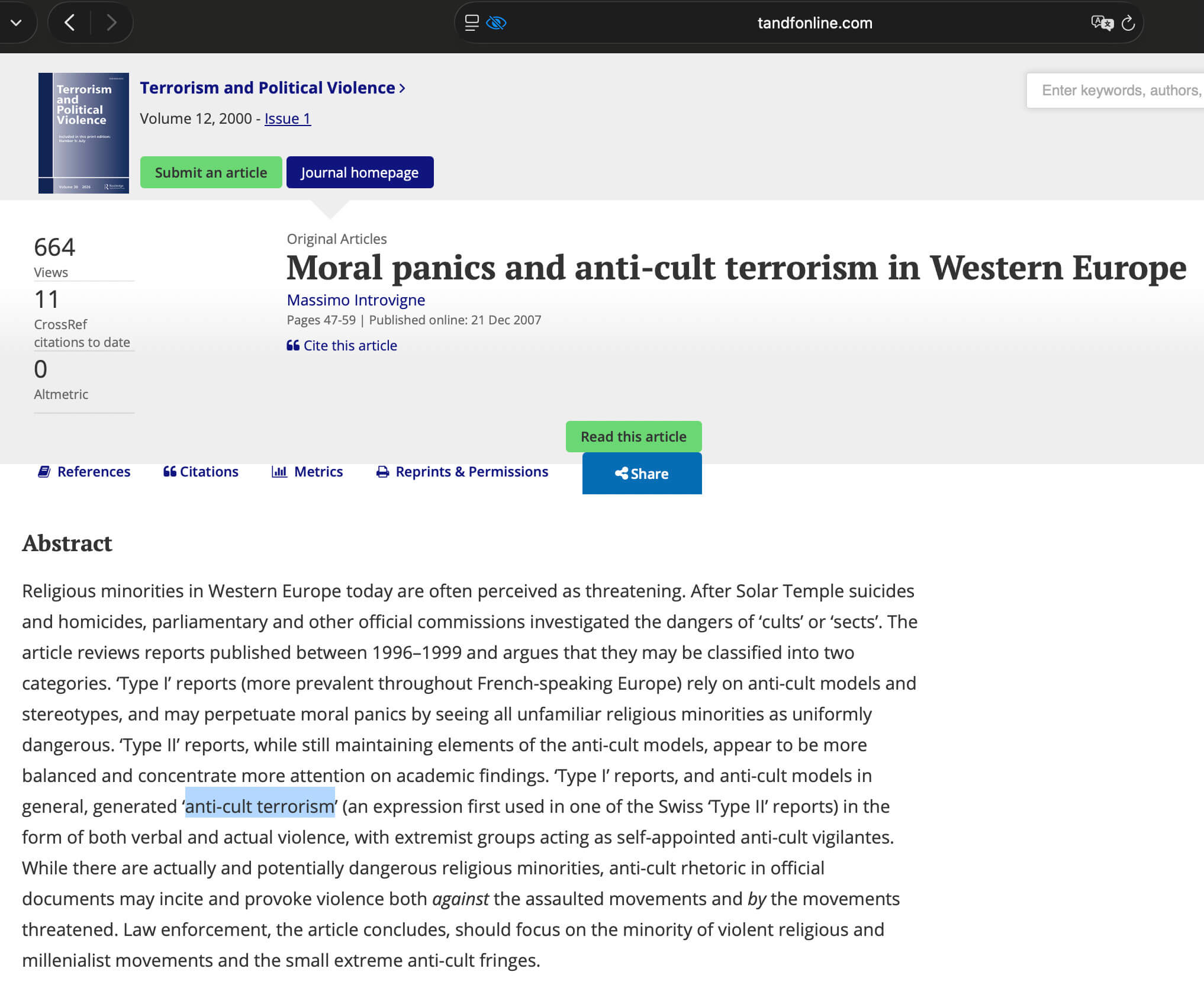
As the materials we examined show, Massimo Introvigne’s assessments were not merely a theoretical warning. Unfortunately, these warnings were not heeded in time. Decades have passed. During this period, the anticult movement led by Alexander Dvorkin has not only retained its influence but, on the contrary, has continued to expand it. It has employed the same methods, rhetoric, and mechanisms of public influence, consistently hiding behind slogans of protecting society, fighting extremism, and ensuring security. The consequences of this policy are particularly visible today in Russia, where this ideology has been endorsed at the highest levels of government and, as a result, has exerted a significant influence on the public and legal spheres.
In 2020, Massimo Introvigne drew public attention to another important aspect of the anticult movement’s activities. In an interview titled “On the Anti-Cult Movement: ‘Brainwashing’ Is Just a Label,” dedicated to a report by the United States Commission on International Religious Freedom (USCIRF), he stated that in recent years, the anticult movement has become a tool of Russian propaganda. In his view, this conclusion was one of the key takeaways of the American study:
— Why does the anticult movement spread its ideology worldwide?
“… — Initially, various interests were involved. Naturally, traditional churches, especially the Russian Orthodox Church (ROC) in Russia, have never welcomed criticism or competitors. They try to eliminate competition. Some new religions offer alternative medicine or psychotherapy and criticize the pharmaceutical industry, which consequently also supports the anticult movement.
The great value of the American document is that it clearly shows that in recent years, the anticult movement has become an instrument of Russian propaganda. Russia has banned the Jehovah’s Witnesses and is targeting other groups based on its current political situation. Some of these groups criticize Russia, including on the Ukrainian issue; some came from America (and anti-American sentiment is highly developed in Russia). Moreover, they typically grow by converting Orthodox believers, not atheists. The ROC has a clear connection with the political authorities in Russia, and they fight against any opportunities for these groups to proselytize.” 12
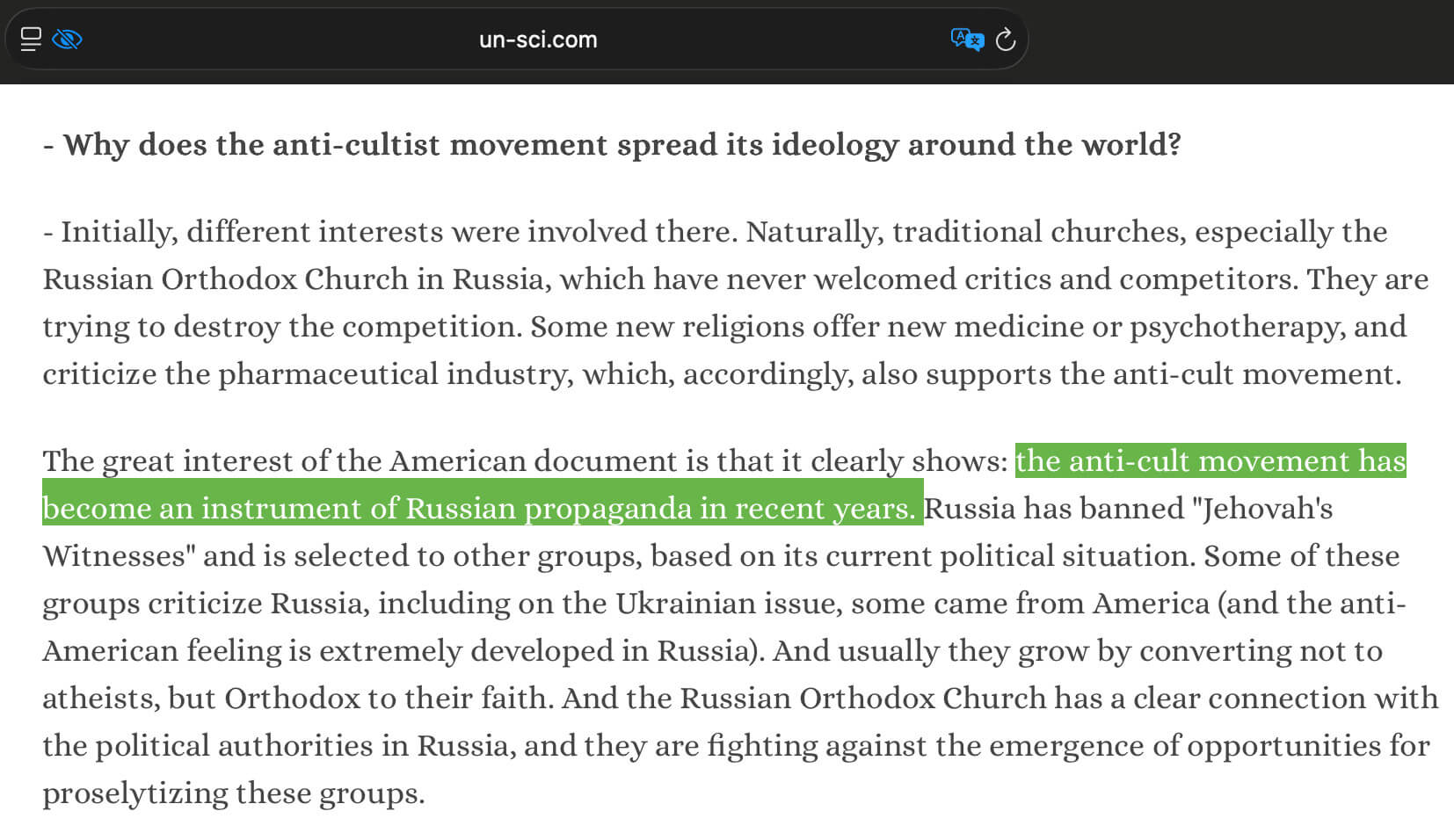
Six years have passed since the publication of the special report by the United States Commission on International Religious Freedom, The Anti-Cult Movement and Religious Regulation in Russia and the Former Soviet Union.13 However, today we must acknowledge that this warning, like many before it, has still not received due attention. Over the years, the conclusions outlined in the report have not become the subject of broad public debate, despite the fact that subsequent events allow us to revisit them and assess them in the light of accumulated experience:
Representatives of the anticult movement all over the world continue to maintain contact with colleagues from Alexander Dvorkin’s network, which, as shown earlier, closely cooperates with Russian state authorities. Anti-cult structures are used by Dvorkin’s allies in the highest echelons of Russian power as part of a hybrid war for information and propaganda purposes. Despite these obvious connections, representatives of Dvorkin’s network in democratic countries still enjoy the attention of major media outlets, serve as experts, participate in shaping the public agenda, and interact with certain political circles.
The analysis presented here should be viewed not only as a study of the Russian experience, but also as an occasion for a broader discussion of processes capable of affecting democratic institutions, freedom of conscience, public debate, and other fundamental civil liberties.
History shows that such processes develop gradually and are rarely taken seriously by society in their early stages. This is precisely why the activities of anticult structures, their methods, sources of influence, forms of international cooperation, and potential impact on public institutions deserve open public debate, independent investigation, and the most rigorous scrutiny. Perhaps the key question is no longer whether researchers were right, but whether we are ready to learn from their warnings while we still have the opportunity.
Ignoring such signals could lead to consequences far more difficult to remedy than the effort required to recognize and objectively assess these ongoing processes in a timely manner.
Sources:
1. https://www.trtrussian.com/article/136b07f90702
2. https://www.gazeta.ru/social/2024/07/08/19373611.shtml
3. https://govoritmoskva.ru/interviews/3477/
4. https://www.rbc.ru/politics/13/06/2024/666ac3209a7947a178d7426c
5. https://zona.media/news/2016/14/06/chayka-mizulina
6. https://www.rbc.ru/spb_sz/08/05/2024/663b8b8f9a79475e2761ce47?utm_
7. https://178.ru/text/gorod/2026/07/01/76510942/
8. https://gazeta.a42.ru/lenta/news/169689-kemerovcanke-dali-srok-za-kommentarii-v-socseti
9. https://123ru.net/blogs/135384550/?utm
10. https://ru.wikipedia.org/wiki/Астахова%2C_Лариса_Сергеевна?utm
11. https://www.tandfonline.com/doi/abs/10.1080/09546550008427549?utm
12. https://un-sci.com/ru/2020/07/27/massimo-introvine-ob-antikultistskom-dvizhenii-promyvanie-mozgov-eto-prosto-lejbl/
13. https://www.uscirf.gov/publication/anticult-movement-and-religious-regulation-russia-and-former-soviet-union?utm