We continue our series of articles dedicated to Roman Silantyev, one of the key representatives of the international anticult network created by Alexander Dvorkin. In the three previous publications, through specific examples, we examined the methods actively used by Roman Silantyev and characteristic of the anticult movement as a whole. We also separately demonstrated the similarity between his profile and that of Alexander Dvorkin as well as the extent of their influence on the activities of Russian law enforcement agencies and judicial system. Since many of the topics addressed are directly connected to the new investigation, this article will occasionally refer back to facts published earlier in the series, both to preserve the narrative continuity and to show how individual episodes fit together into a larger picture.
One of the areas examined in our investigation is Roman Silantyev’s publications on school shootings. For readers unfamiliar with the previous articles of this series, it’s enough to note that this is far from the first instance where the scope of Roman Silantyev’s expert interests extends beyond his professional training. Why this circumstance matters to the present investigation will become clear as the discussion progresses.
School Shootings
The phenomenon of school shootings remains one of the most enigmatic social phenomena of the modern era. Despite decades of research, there is still no generally accepted explanation for why they occur. Equally noteworthy is their geographic distribution: such crimes are only concentrated in a limited number of countries, while many countries that face poverty, armed conflicts, and significantly higher levels of everyday violence have virtually no experience of this phenomenon as a persistent social problem.
In our view, one of the more substantiated explanations was proposed in the “The IMPACT” documentary. The filmmakers hypothesize that school shootings may be less the result of individual decisions by perpetrators than the outcome of prolonged and deliberate informational and psychological influence exerted by third parties. The authors identify representatives of the international anticult movement as one of the key forces involved in this mechanism.
Against this backdrop, it is particularly noteworthy that one of Russia’s best-known experts on school shootings is precisely a representative of the anticult movement, Roman Silantyev.
The purpose of this article is to answer the following question: to what extent do Silantyev’s publications consider all the circumstances that may be relevant to understanding the phenomenon of school shootings? Answering this question requires more than simply checking the accuracy of individual claims. Therefore, this analysis uses as its methodological foundation the concept of framing proposed by Robert Entman.
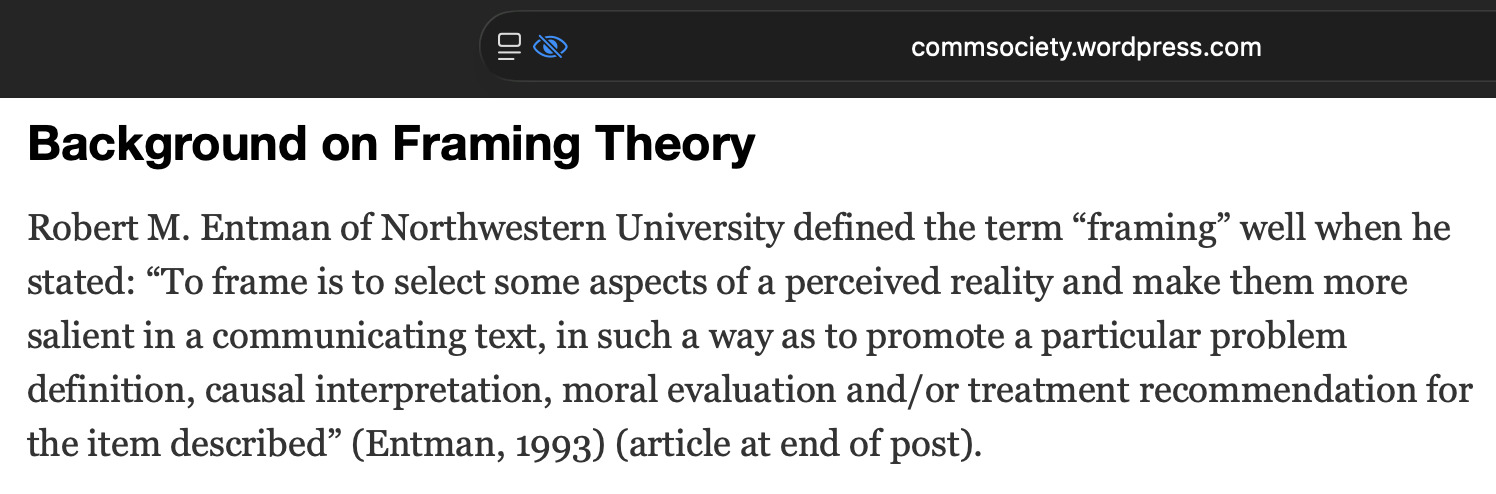
As Entman noted, framing does not involve creating new facts, but rather selecting certain aspects of reality while excluding others in a way that shapes an audience’s understanding of the causes of events, their moral evaluation, and the conclusions they are likely to draw. 2
For this reason, our investigation focuses on the pattern by which Silantyev selects facts from which he constructs his explanatory model. In other words, we are interested not just in what is presented to readers, but also in which facts and causal relationships are consistently left outside his narrative.
This approach will form a basis for subsequent analysis of several cases that, at first glance, appear to be unrelated.
Columbine
The tragedy at Columbine High School, which took place on April 20, 1999, in the U.S. state of Colorado, became one of the darkest chapters in modern American history. In the attack, two students — Eric Harris and Dylan Klebold — killed 13 people and wounded more than 20 others before taking their own lives. 3 The events shocked not only American society, but the whole world, initiating decades of academic and public debate over the causes of such crimes.
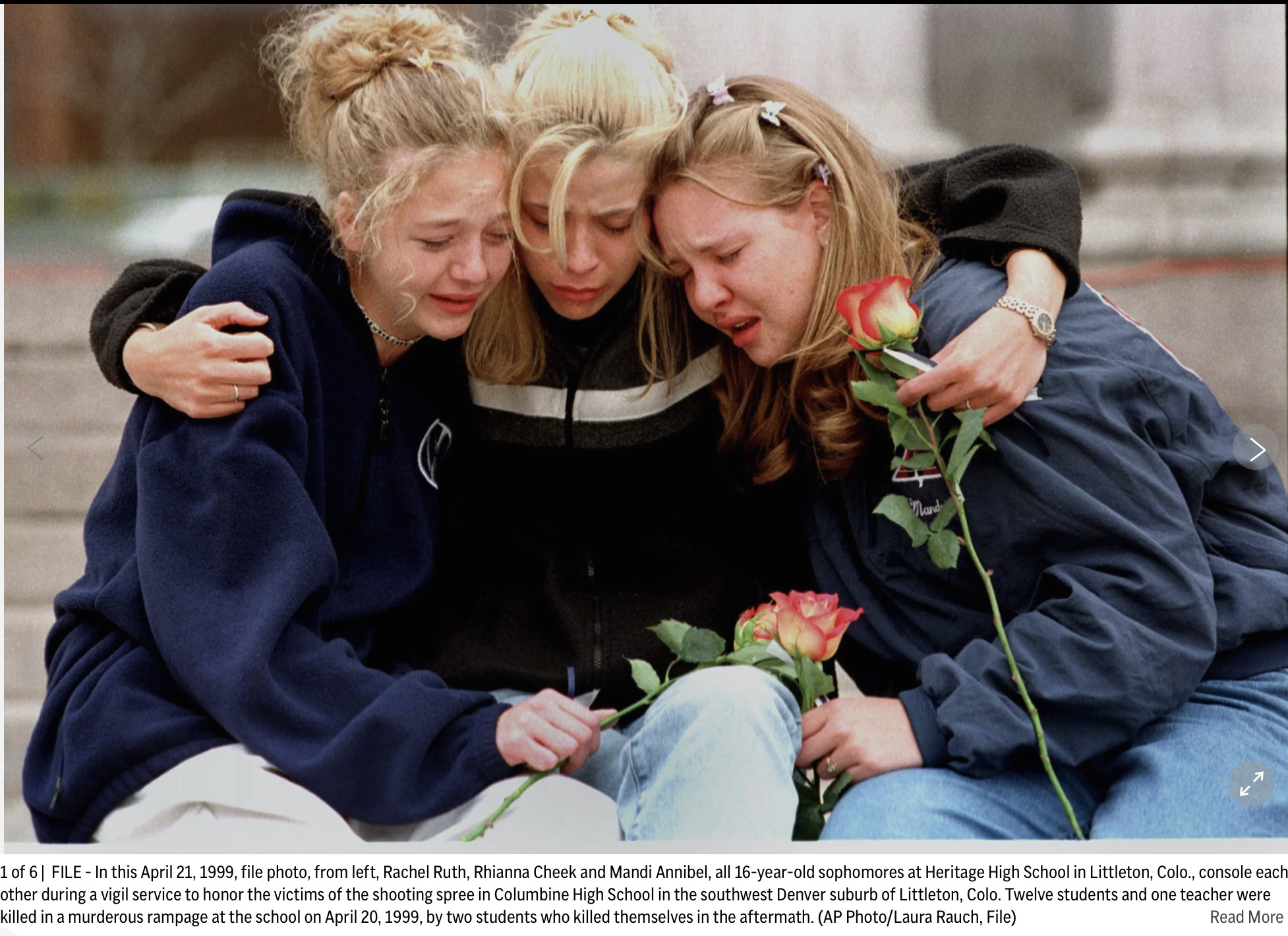
The significance of Columbine extends far beyond a single tragedy. It was in the aftermath of those events that the problem of school shootings gained worldwide prominence and became the subject of systematic research by criminologists, psychologists, sociologists, and mass communications experts. Many subsequent attacks were directly or indirectly compared with Columbine, while the school’s name itself became a symbol of a phenomenon whose consequences continue to be felt decades later.
Although similar crimes occurred in other countries too, the United States remains the country most severely affected by this phenomenon. For many years, U.S. government databases and numerous academic studies have documented a significantly higher concentration of such attacks compared to other countries.
Over time, the problem ceased to be confined to the States. Beginning in 2014, high-profile attacks on educational institutions also started occurring in Russia. Similar tragedies recurred in subsequent years, gradually developing into a distinct social problem that has generated serious concern and broad public debate about the causes of what is happening.
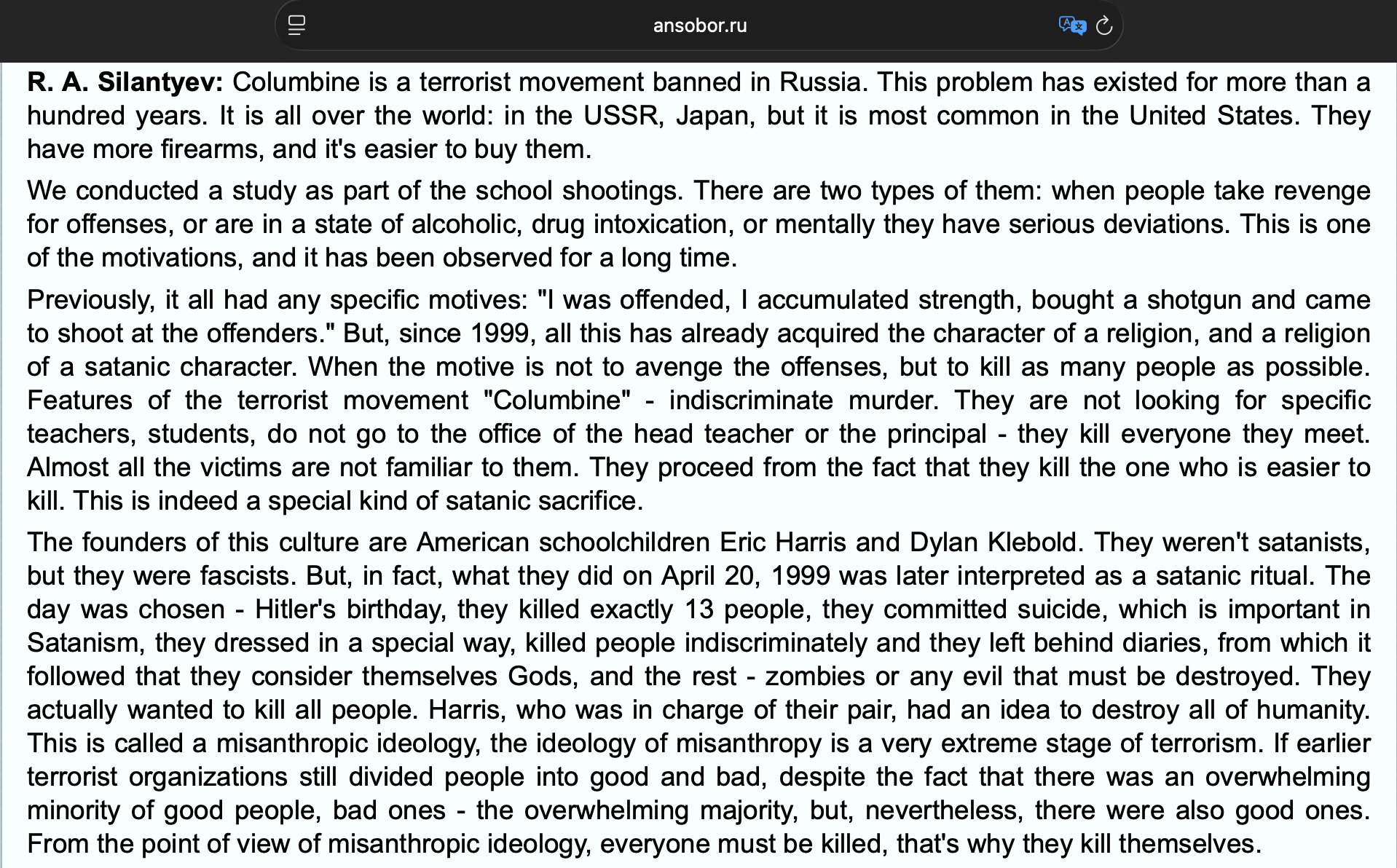
It was during this time period that Roman Silantyev also became actively involved in discussions of school shootings. To understand how he constructs his arguments, let’s turn to his public appearances and interviews. Below is an excerpt from one of his statements concerning the Columbine High School tragedy:
R.A. Silantyev: “Columbine is a terrorist movement banned in Russia. This problem has existed for more than a hundred years. It has existed all over the world: in the USSR, Japan, but it is most widespread in the United States. They have more firearms, and they have easier access to them.
“We carried out a study as part of our research into school shootings. There are two types: when people seek revenge for grievances or are under the influence of alcohol or drugs, or have serious psychological deviations. This is one of the motivations, and it has been observed for a long time.
“Previously, these things had specific motives: ‘They hurt me, I gathered my strength, bought a shotgun, came back, and shot the people who had hurt me.’ However, since 1999, it has taken on the character of a religion — moreover, a Satanic religion where the motive isn’t to take revenge for grievances, but to kill as many people as possible. The distinctive feature of the Columbine terrorist movement is indiscriminate killing. They do not target specific teachers or students, they do not go to the vice principal’s or principal’s office — they kill everyone they encounter. They barely know most of their victims. Their approach is to kill whoever is easiest to kill. This really is a particular form of Satanic sacrifice.
“The founders of this culture were American high school students Eric Harris and Dylan Klebold. They were not Satanists, but they were fascists. Yet, in fact, what they did on April 20, 1999, was subsequently interpreted as a Satanic ritual. They chose that day — it was Hitler’s birthday, killed exactly 13 people, and killed themselves, which is important in Satanism. They were dressed in a particular way, they killed people indiscriminately and left behind diaries showing that they considered themselves Gods and everyone else zombies or some kind of filth that had to be destroyed. They wanted to kill everyone, in fact. Harris, who was the dominant one in the pair, had the idea of destroying all of humankind. This is called a misanthropic ideology, an ideology of hatred of humanity — a very extreme stage of terrorism. Previously, terrorist organizations would still divide people into good and bad, with the good being an overwhelming minority and the bad an overwhelming majority, but there were still some good people. From the standpoint of a misanthropic ideology, everyone must be killed. That’s why they kill themselves as well.” 5
Analysis of this statement shows that a substantial portion of Roman Silantyev’s conclusions is based not on a coherent line of argument, but on a series of declarative assertions accompanied by virtually no evidentiary basis. From the very outset, he introduces a number of key concepts: “Satanic religion,” “Satanic sacrifice,” yet provides neither definitions nor criteria by which the validity of such characterizations could be assessed. At the same time, his conclusions are often presented as categorical assertions (“this is,” “this is called,” “this really is,” “this is a particular form”), creating an impression of expert certainty before a listener is presented with arguments that would allow them to independently assess the validity of those conclusions. This mode of presentation is characteristic of an appeal to authority, where a conclusion is first presented as an established fact, effectively eliminating the need to substantiate it afterwards.
Equally revealing is the way the causal relationship between individual facts is constructed. Thus, the reference to Adolf Hitler’s birthday, the number of people killed, the attackers’ clothing, their suicides, and certain passages from their diaries are combined into a single construct intended to support the thesis of a “Satanic ritual.” However, the logic underlying this combination is not explained in the statement. The fact that these circumstances did indeed occur does not, in itself, establish the interpretation proposed by the speaker. The necessary argumentative link between the facts and conclusions is missing, while individual characteristics are primarily combined through association, creating an impression that they mutually corroborate one another even though the connection itself remains unsubstantiated.
The internal consistency of the explanatory model further raises additional questions. Silantyev claims that Eric Harris and Dylan Klebold “were not Satanists,” yet almost immediately characterizes their crime as a “Satanic ritual” that subsequently gave rise to a corresponding culture. How the actions of people who, according to the speaker himself, were not Satanists could become a basis for emergence of a “Satanic religion” is not explained. Similarly, the same narrative successively invokes the categories of fascism, Satanism, terrorism, and misanthropy, yet the relationship between them is apparent only to Silantyev.
The lexicon he uses is also noteworthy. Key elements of his explanatory model are accompanied by emotionally charged phrases: “Satanic sacrifice,” “destroying all of humankind,” “ideology of hatred of humanity,” and other expressions with a strong emotional impact. Such characterizations in themselves do not constitute evidence, but they can substantially influence how the material is perceived, intensifying the audience’s emotional response while simultaneously diverting attention from the extent to which the proposed conclusions are fully and consistently substantiated. (In the article “Victims of anticultism — The Silantyev List. Part 2,” we already noted the use of a similar technique in the analysis of the destructological expert evaluation in the “theater case.”)
As a result, Silantyev’s explanatory model produces an impression of a construct where interpretations precede evidence. Rather than providing a systematic substantiation of the claims he makes, he presents the audience with ready-made conclusions, while the logical transitions necessary to establish their validity are either absent or replaced with declarative assertions, emotionally charged language, and associative links between individual facts.
The above analysis is only a cursory examination of one of Roman Silantyev’s public statements on school shootings. Even this material is sufficient to assess the internal consistency of the explanatory model he proposes and the extent to which it meets the standards expected of scientific argumentation and expert analysis.
To rule out a possible objection that individual statements have been taken out of context, we will next examine additional excerpts from his public appearances, interviews, and lectures. They indicate that the claims discussed above are not isolated slips or peculiarities of a single statement, but are consistently reiterated by Silantyev and form a coherent interpretive framework. After that, we will return to the issue of framing and examine the facts, studies, publications, and documents that “expert” Roman Silantyev systematically leaves outside the scope of his explanatory model.
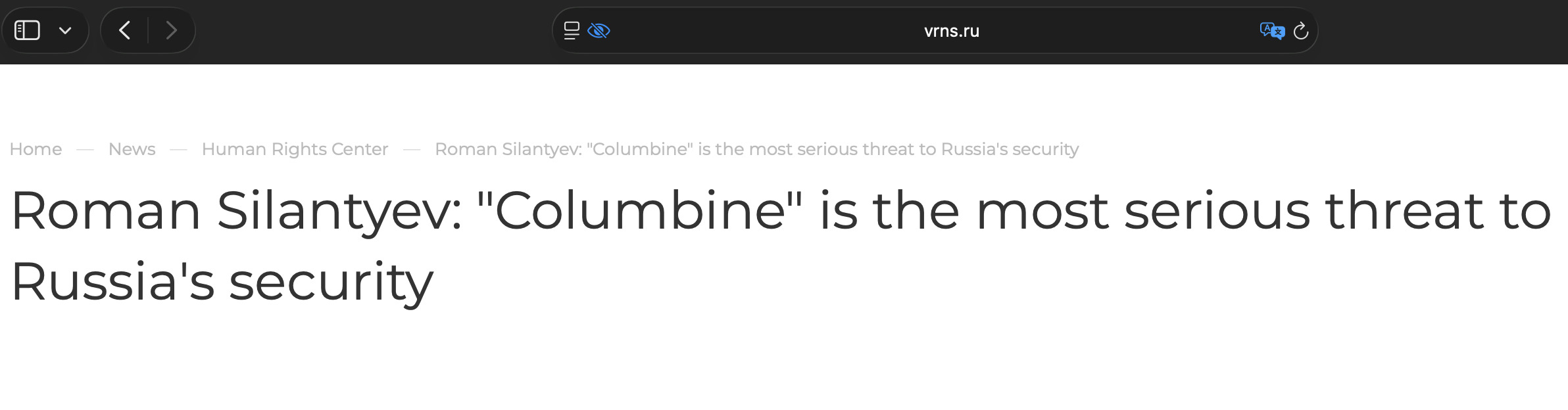
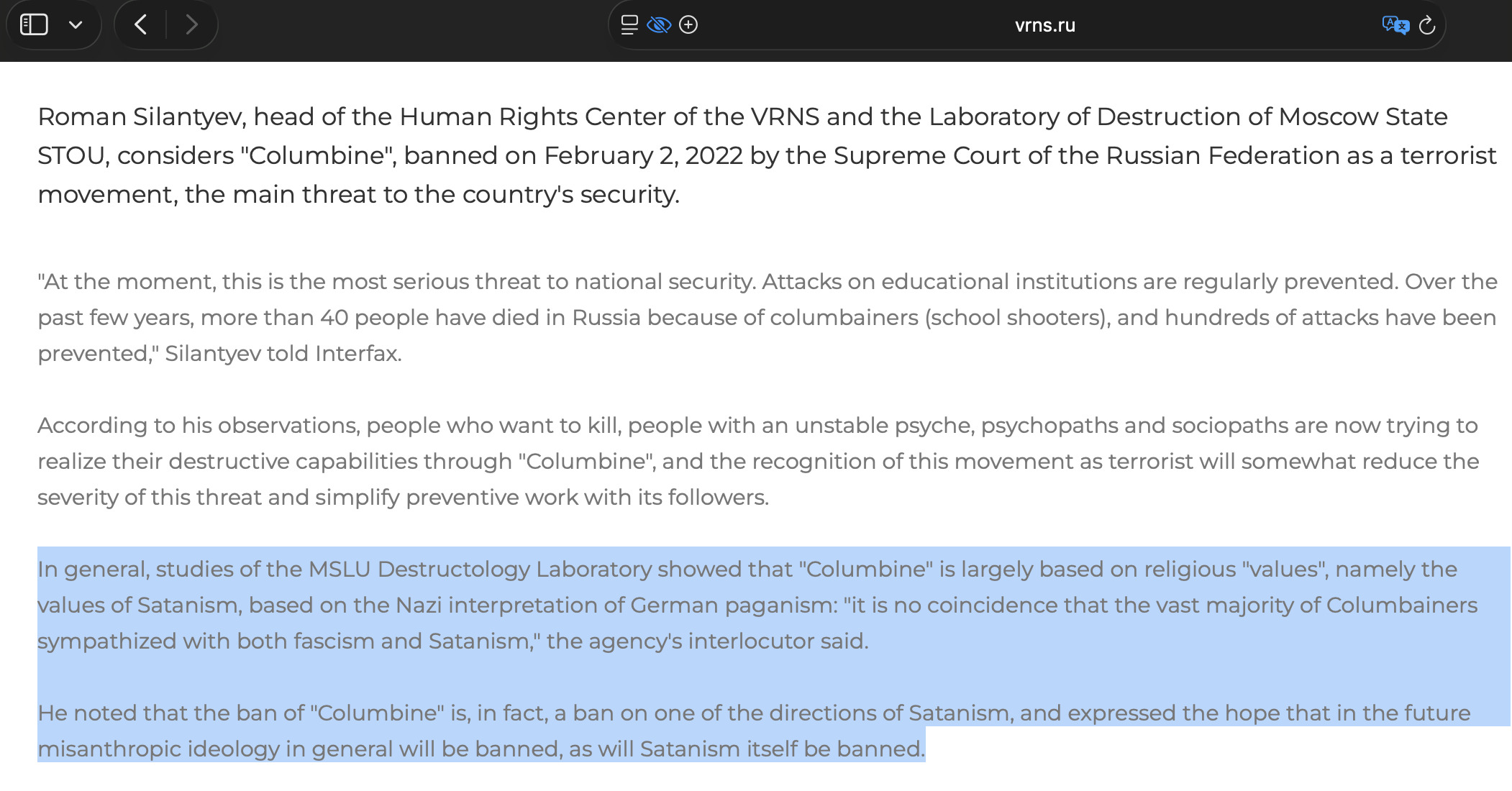
On February 2, 2022, while making a comment for Interfax on the Russian Supreme Court’s decision to designate the “Columbine movement” as a terrorist organization, Silantyev reiterated the same claims, stating:
“Overall, research conducted by the MSLU Destructology Laboratory has shown that Columbine draws heavily on religious ‘values,’ specifically the values of Satanism based on a Nazi interpretation of Germanic paganism: it is no coincidence that the overwhelming majority of Columbiners sympathized with both fascism and Satanism,” the source said.
“He noted that the ban on Columbine essentially amounts to a ban on a branch of Satanism and expressed hope that, in the future, the misanthropic ideology as a whole would be banned, as would Satanism itself.” 1
As part of the 9th International Orthodox Christian Media Festival “Faith and Word,” a roundtable titled “School Shootings: Prevention and the Church’s Assistance to Victims” was held. Speaking at the event, Roman Silantyev once again reproduced the same explanatory model, stating:
“…The Columbine movement is a particular form of Satanism, and it can be based on such misanthropic ideologies as neo-Nazism, fascism, and occultism.” 6

Let us return to the analytical approach we have chosen and examine which significant circumstances are absent from Roman Silantyev’s interpretation of those events. Importantly, all of these facts had been known long before his publications appeared, had been repeatedly covered in investigative journalism, documentaries, court files, and academic literature, and constitute an important part of the historical context.
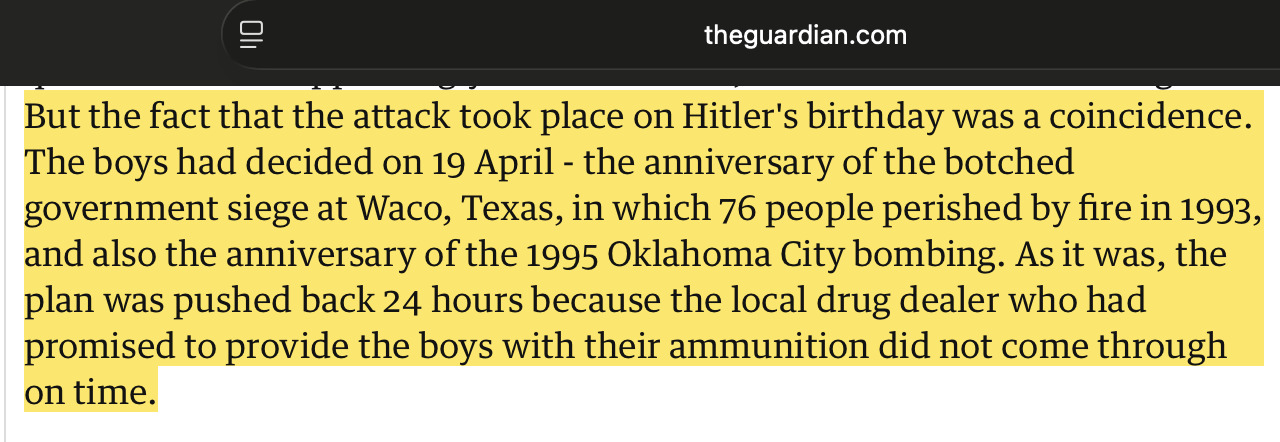
One of the most telling examples is the date of the Columbine High School attack. Although the mass shooting took place on April 20, 1999, it had originally been planned for April 19. According to investigative records, the date was changed because the delivery of some of the ammunition had been delayed. The choice of date wasn’t accidental: it coincided with the fourth anniversary of the Oklahoma City bombing and the sixth anniversary of the tragedy at the Mount Carmel compound near Waco. 7
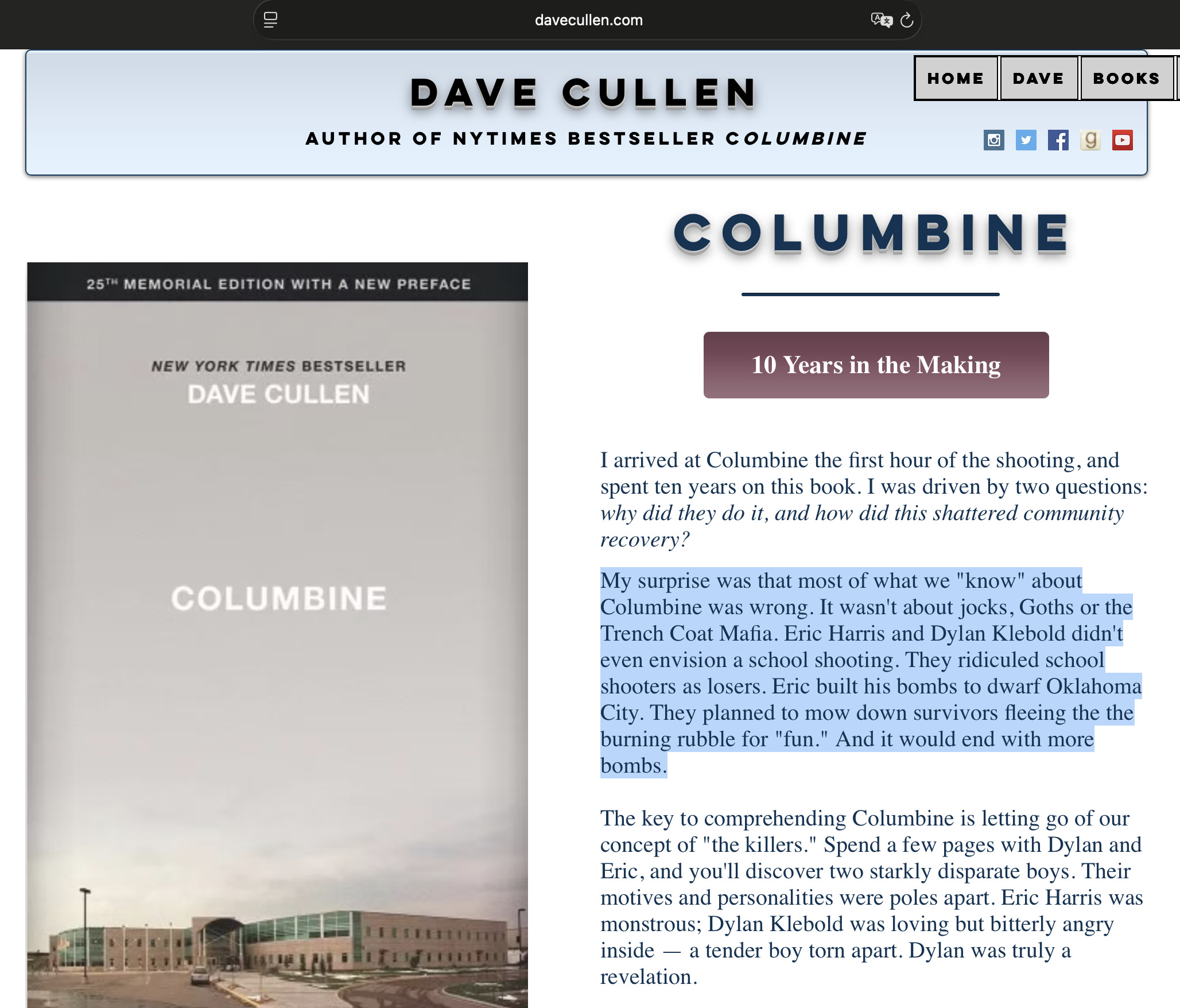
Moreover, the original plan called for a significantly higher number of victims than the attack ultimately claimed because, according to investigative findings, the perpetrators envisioned the attack as a terrorist act that would surpass the Oklahoma City bombing in its consequences. 8
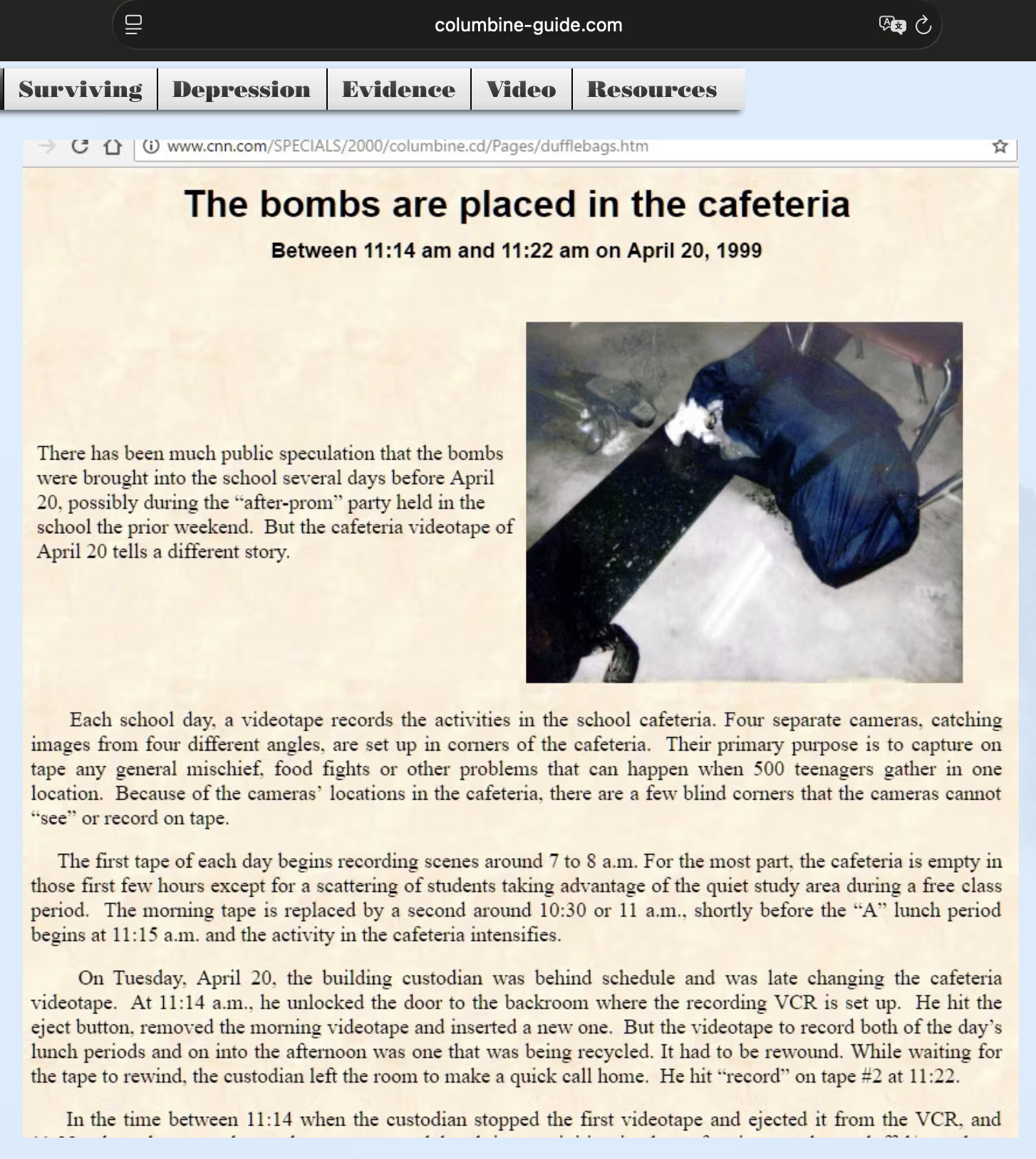
The images below, taken from the Columbine Guide, a resource created by journalist Dave Cullen — the author of “Columbine” which is considered one of the most authoritative studies of the Columbine High School tragedy — illustrate the scale of destruction that was planned and the potential number of victims. 9
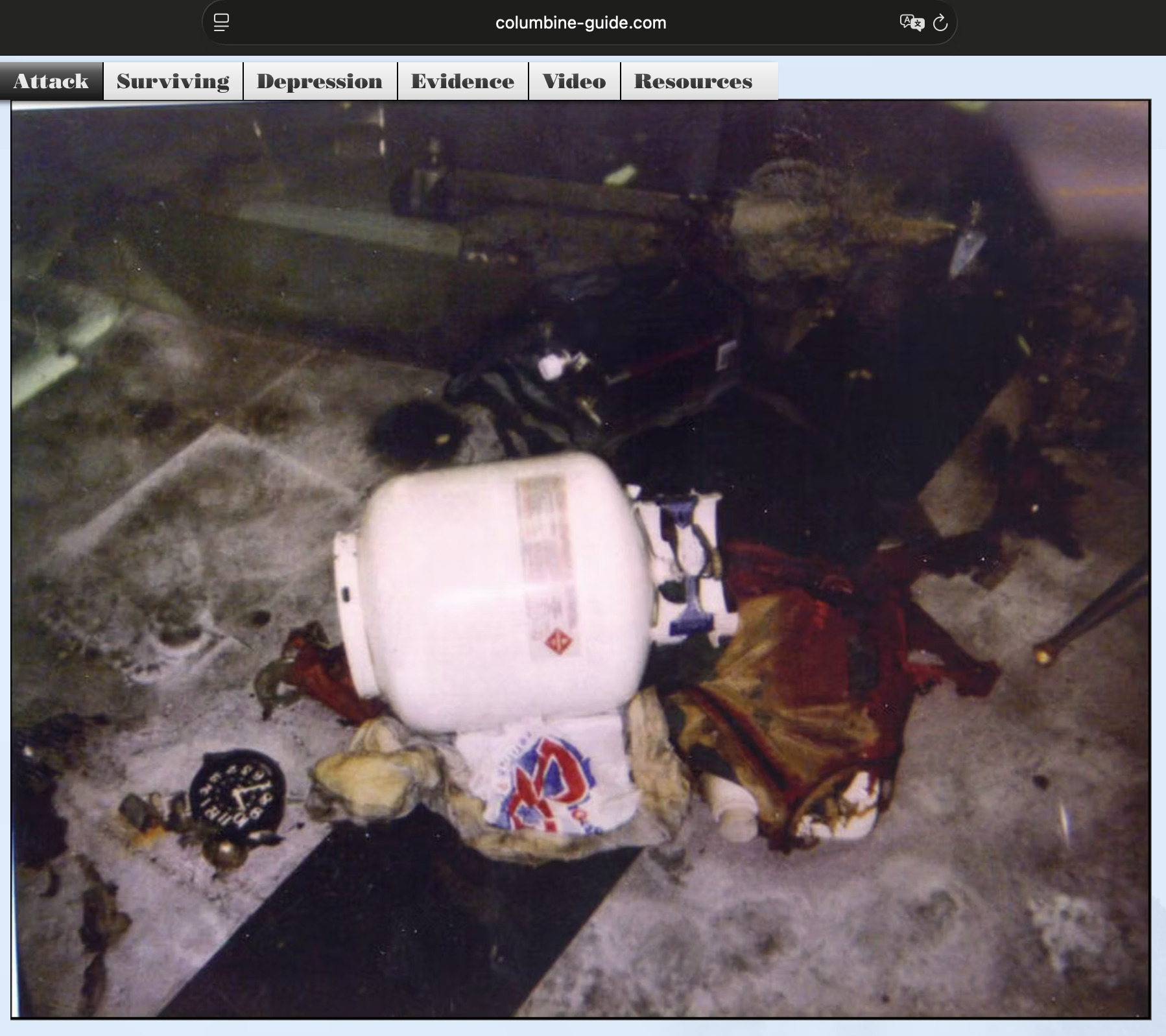
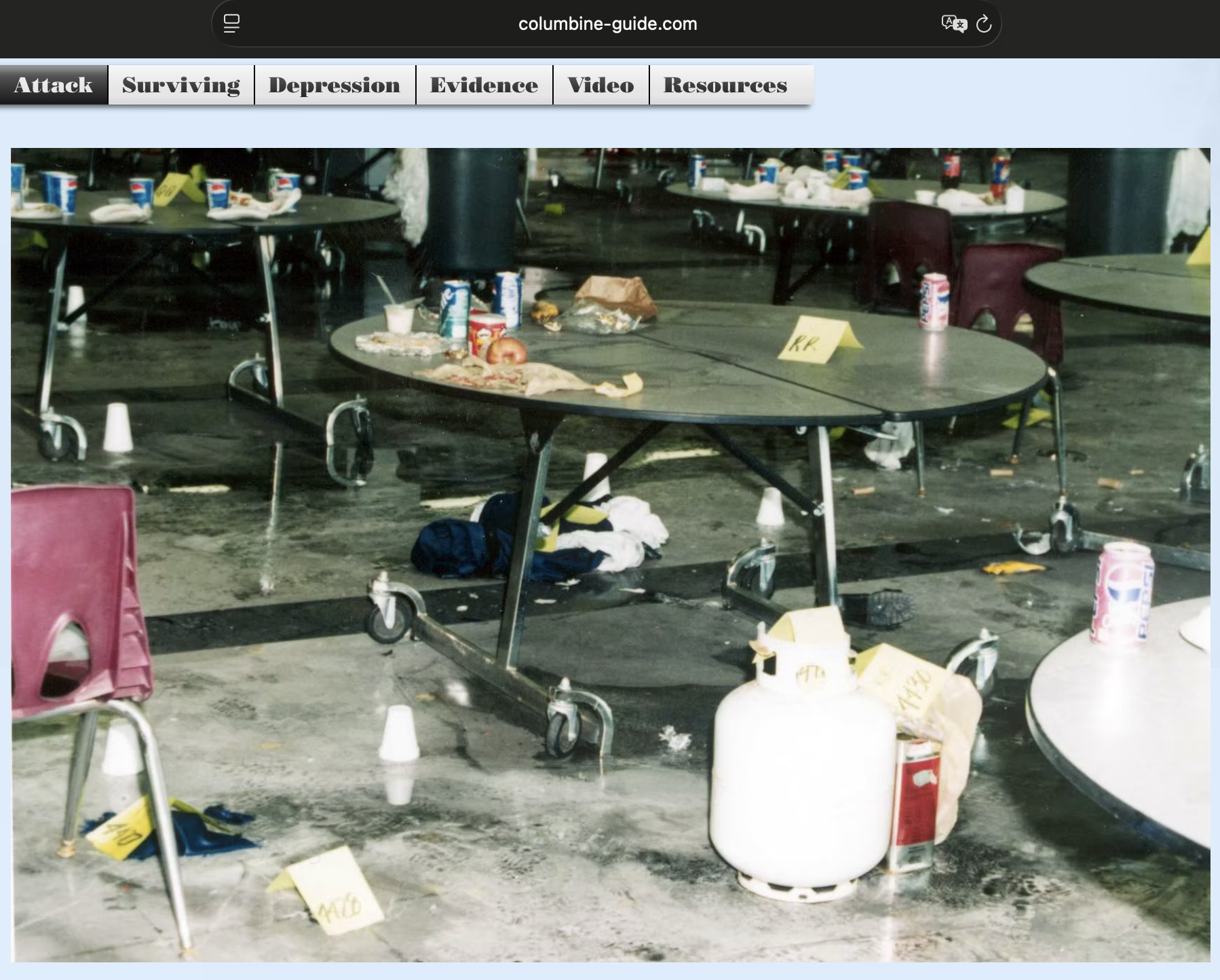
These facts completely refute Silantyev’s claim that the actual number of people killed has an independent symbolic meaning.
Next, a logical question arises: why did the Oklahoma City bombing and the events in Waco become key symbolic reference points for Eric Harris and Dylan Klebold? The answer makes it possible to trace a sequence of events that began long before the Columbine High School massacre.
On April 19, 1995, Timothy McVeigh carried out the bombing of the Alfred P. Murrah Federal Building in Oklahoma City, which at the time became the deadliest terrorist attack in U.S. history.
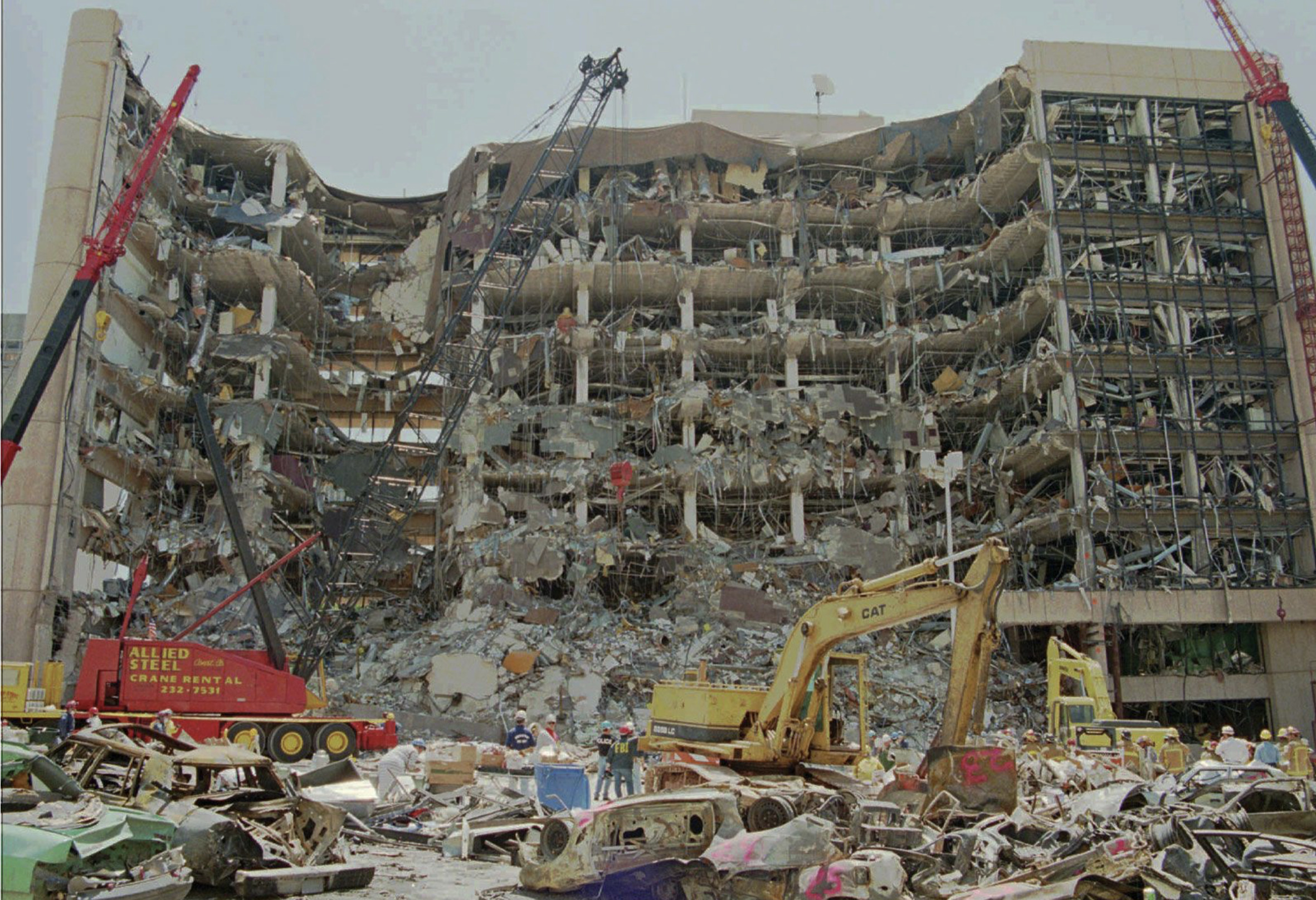
Alfred P. Murrah Federal Building, Oklahoma City, OK, in the wake of the terrorist bombing on April 19, 1995
Of particular importance to this study isn’t only the tragedy scale, but also the motive that McVeigh consistently repeated in his statements. He viewed the crime he had committed as an act of retaliation against the U.S. federal government for events that had taken place two years earlier in Waco during the siege of the Mount Carmel compound. 10
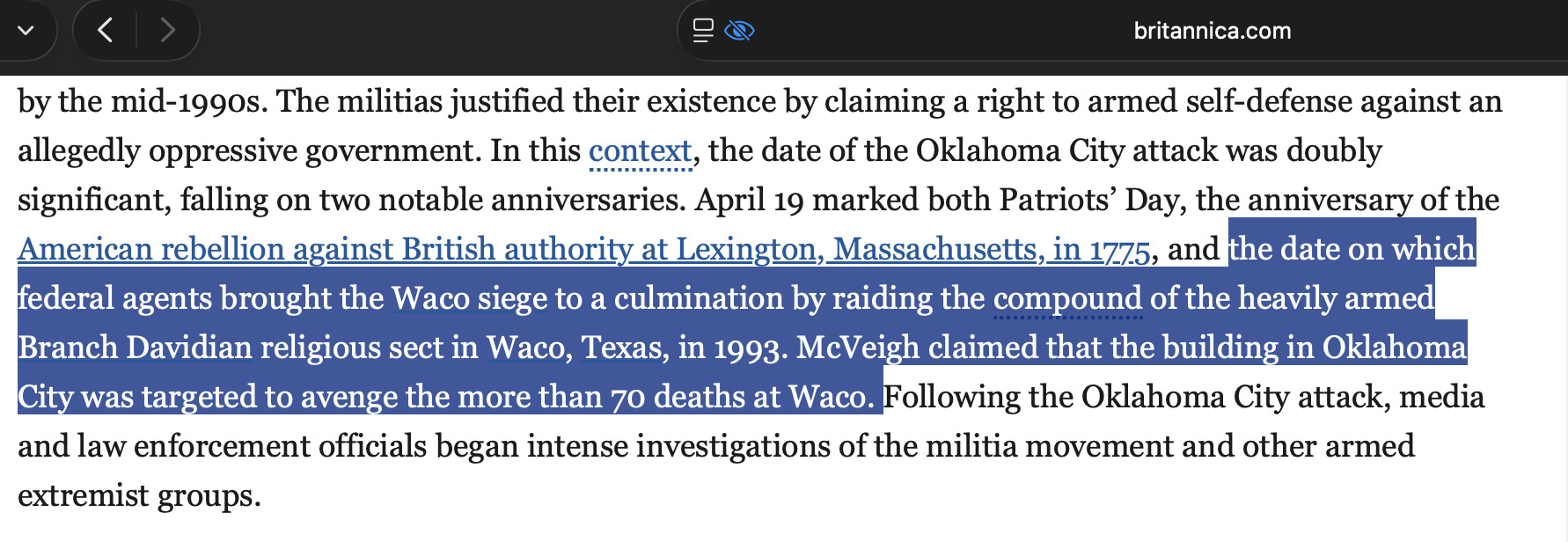
That is why, in order to understand the choice of the date for the attack on Columbine High School, it is necessary to examine the circumstances of the Waco tragedy which, in McVeigh’s own view, became the starting point for the events that followed.
On February 28, 1993, federal agents attempted to carry out a forced operation against the Branch Davidians, a religious community based at the Mount Carmel compound near Waco, Texas. After the failed assault, the confrontation developed into a 51-day siege that ended in a massive fire on April 19. A total of 86 people died during the standoff, including 25 children.
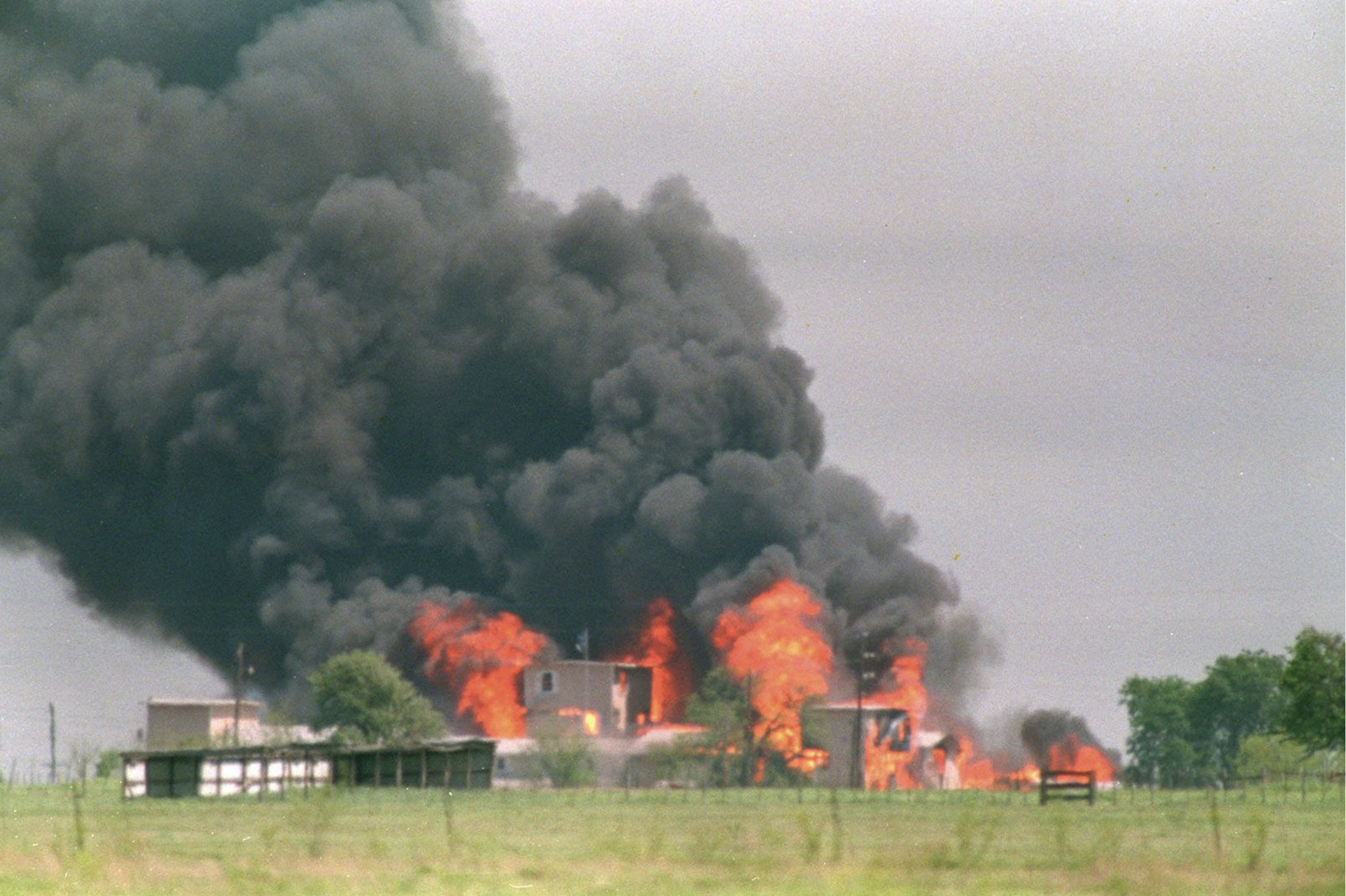
The circumstances surrounding the siege of Mount Carmel compound became the subject of numerous official investigations, journalistic reports, documentaries, and scholarly studies. Alongside assessments of the actions of federal agencies, researchers also examined how public perceptions of the events were shaped, including the role played by experts, consultants, and mass media.
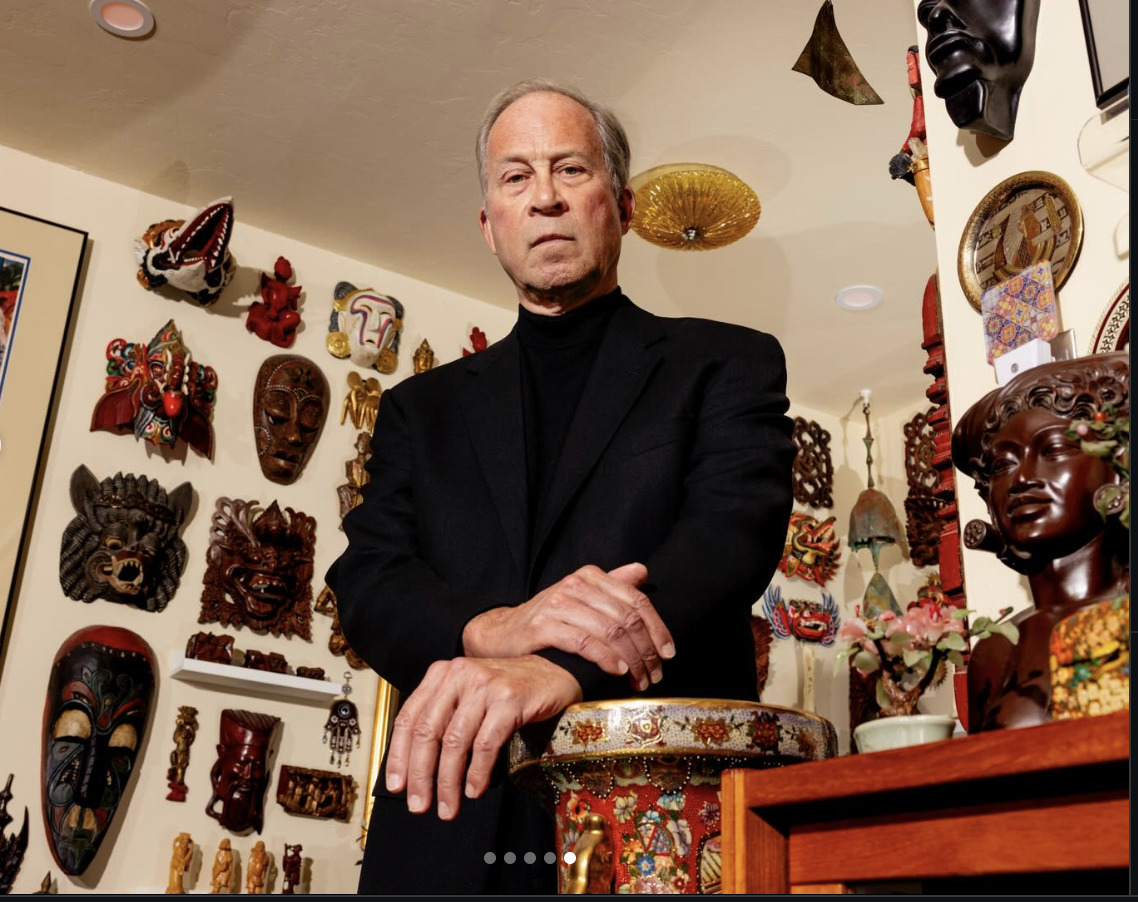
One of the key figures in the events leading to the Waco tragedy was American anticultist Rick Ross. A detailed examination of his involvement is presented in our previous investigations: “Crimes of Anti-Cultism. The Waco Siege. How the Group of Americans, the Branch Davidians Were Demonized and Killed. Part 1” and “The Waco Siege: How Anticultists Manipulated Media and Officials to Organize a Holocaust in Texas. Part 2”.
These articles, based on U.S. congressional materials, official documents, court records, and findings of independent investigations, show that Rick Ross participated in shaping perceptions of the Branch Davidian community, using information much of which was later found to be unreliable or erroneous or subjected to serious criticism. Those perceptions had a significant impact both on the emergence and development of the conflict and on its coverage by the media, contributing to further escalation of the standoff.
The figure of Igor Smirnov also deserves particular attention. He is often referred to as the father of psychotronic weapons. Smirnov, who worked at research organizations associated with the USSR KGB, was invited in by U.S. federal agencies as an expert in psychological influence during the Waco events. His possible role and the methods used at the time are examined in detail in our publication “Igor Smirnov: Father of Psychotronic Weapons?” If Smirnov’s methods were actually used during the siege, could they have affected only members of the community while having no effect whatsoever on federal personnel, members of the media, and numerous eyewitnesses? Especially given that Timothy McVeigh was among those eyewitnesses for several days.
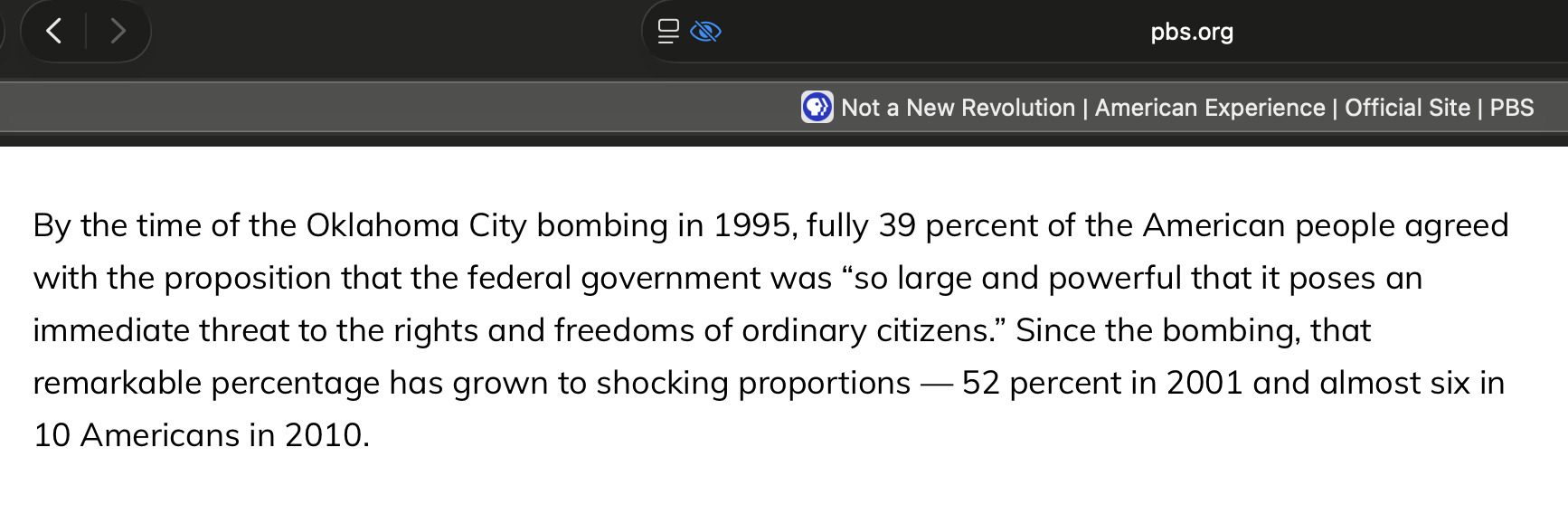
Many researchers regard the siege of Mount Carmel compound and the extermination of Branch Davidians as one of the key turning points in modern American history. For millions of Americans, the Waco tragedy became the point after which attitudes towards federal authorities and their actions drastically changed. 11
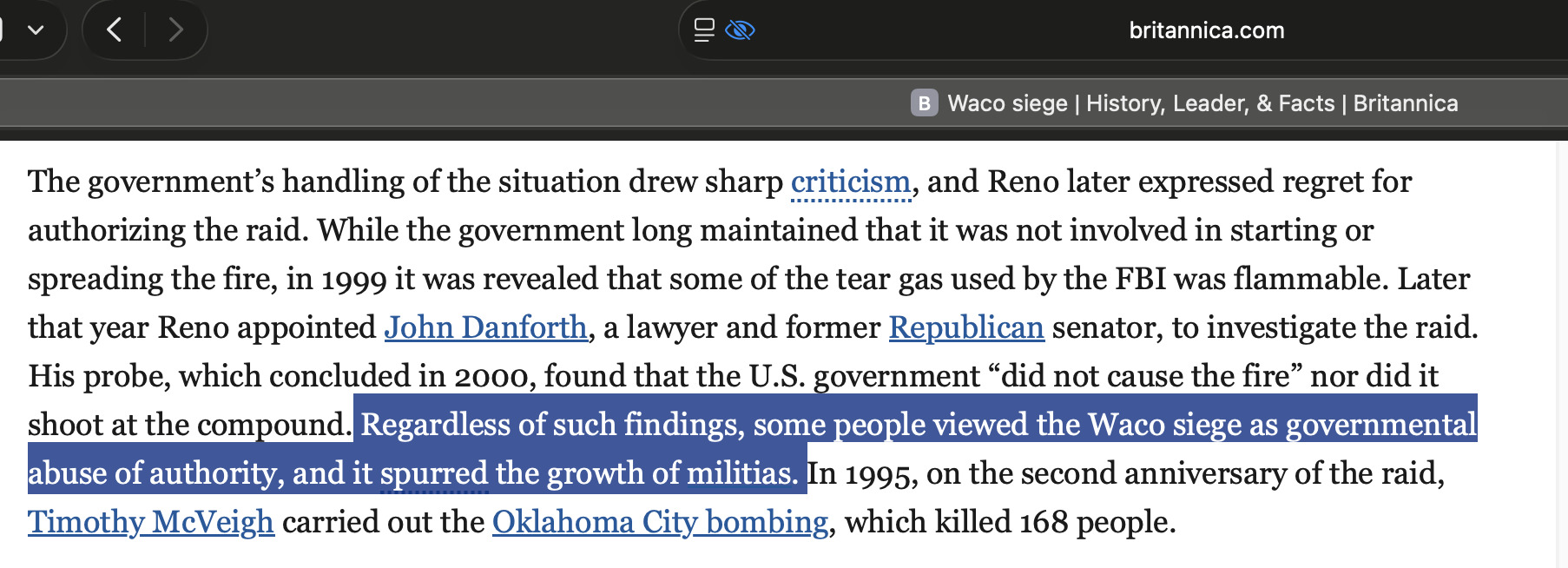
The subsequent terrorist attack in Oklahoma City, the initial plan for the attack at Columbine High School timed to coincide with the anniversary of the previous two events, and the further escalation of mass violence allow us to view the events not as isolated incidents, but as links in a single historical sequence. 12
Thus, the examples examined above show that this isn’t simply a matter of an incomplete presentation of the historical context. There is a logical question: given the availability of investigative materials, documentary evidence, and historical research, why does Silantyev choose an interpretation of events in which the role of anticult movement representatives remains outside the explanatory framework?
Video Games
The next example concerns yet another categorical statement by Roman Silantyev. According to him, studies have supposedly “proved” that video games have no influence whatsoever. 13
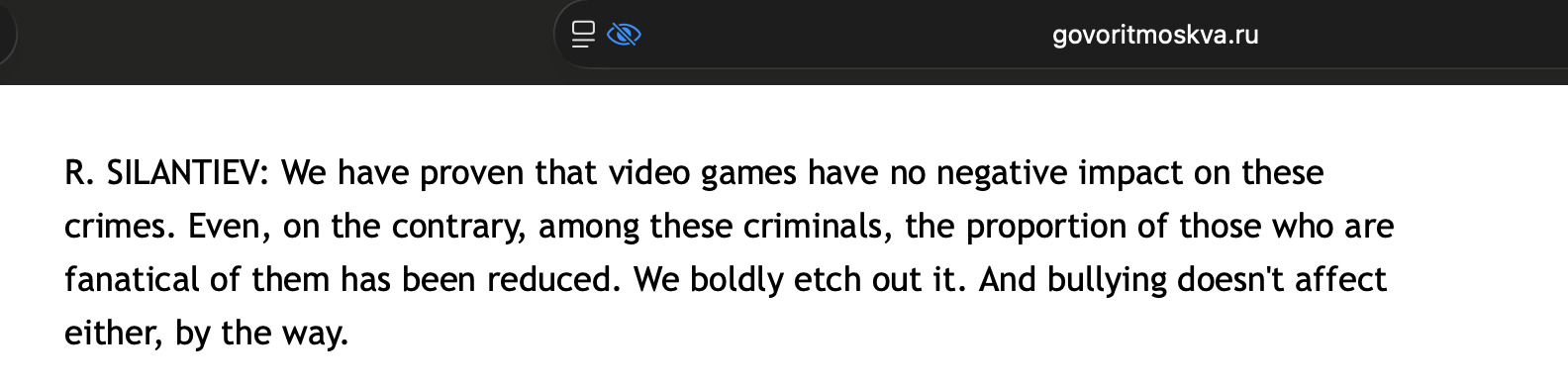
Yet, here too, familiar questions arise. Who conducted those studies? Where were they published? What methodology was used? What conclusions were reached? As in many other cases, the sweeping claim is accompanied by a reference to an undefined “we,” but not by a single verifiable scientific publication.
Meanwhile, the very framing of the question is revealing. For many years, the scientific debate has never been reduced to a choice between two extremes: either video games cause school shootings, or they have no effect on people whatsoever. That’s a false dichotomy. Researchers examine considerably more complex questions: how the media environment affects a person’s emotional state, how behavioral patterns develop, how social attitudes spread, how strong the effects of immersion can be, and under what conditions particular elements of media content may exacerbate pre-existing psychological disorders.
For that reason, the equally categorical claim that video games “have no influence whatsoever” is no less simplistic than the opposing claim that they are the cause of school shootings. The actual scientific picture is considerably more complex than either formulation suggests.
In our earlier articles, “How a Sect Creates Killers – Part 1” and “How a Sect Creates Killers – Part 2,” we reported that years after the Waco tragedy, Rick Ross served as a consultant to Ubisoft during the development of the video game Far Cry 5. 14

The game’s main antagonist was Joseph Seed, the leader of a religious cult — a character whom many players and reviewers associated with the image of David Koresh. 15
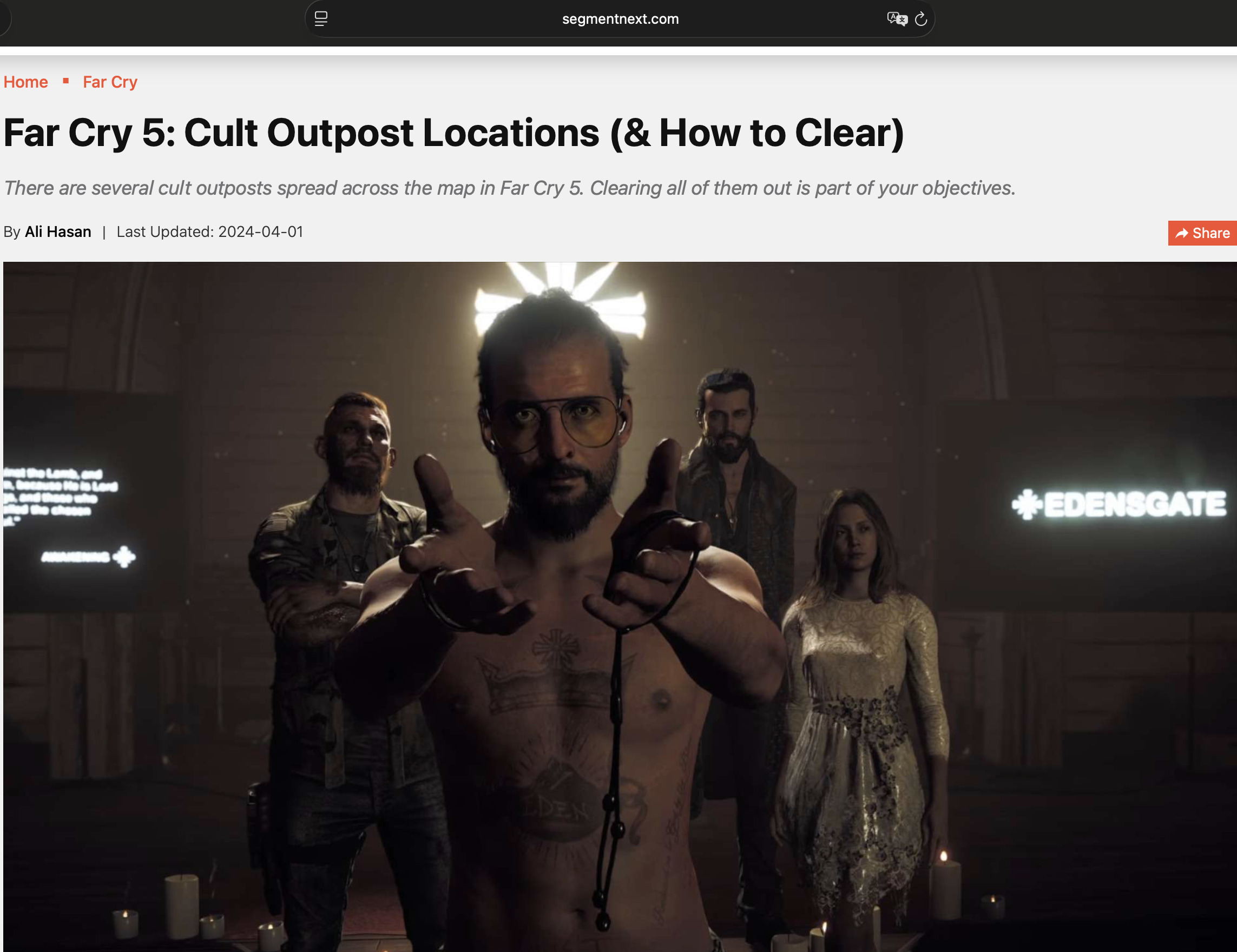
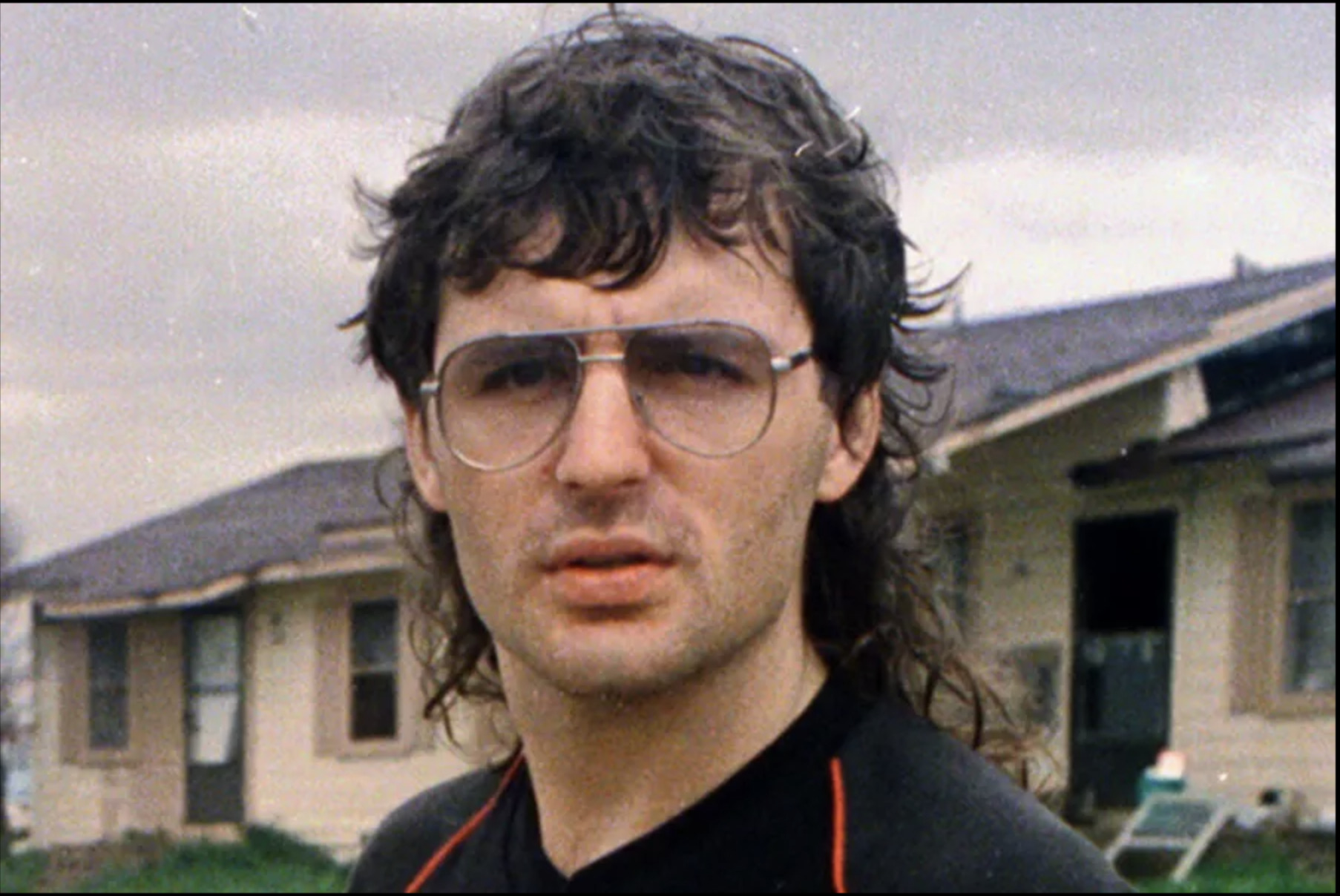
We also noted that pronounced political, religious, and ideological narratives are embedded in the game, numerous symbolic references and techniques are used, and players themselves describe a powerful emotional impact in their reviews. Doesn’t such a combination of factors warrant independent analysis, especially when it involves a representative of the anticult movement who essentially revisits the very same imagery, symbols, and conceptual frameworks that accompanied media coverage of the events leading up to the Waco tragedy?
Notably, in his categorical assertion that “video games have no influence,” Ross’ colleague Silantyev completely avoids discussing the content of specific game titles, the identities of their consultants, the embedded ideological narratives, or the psychological impact reported by the players themselves. All of these circumstances are simply excluded from the analysis.
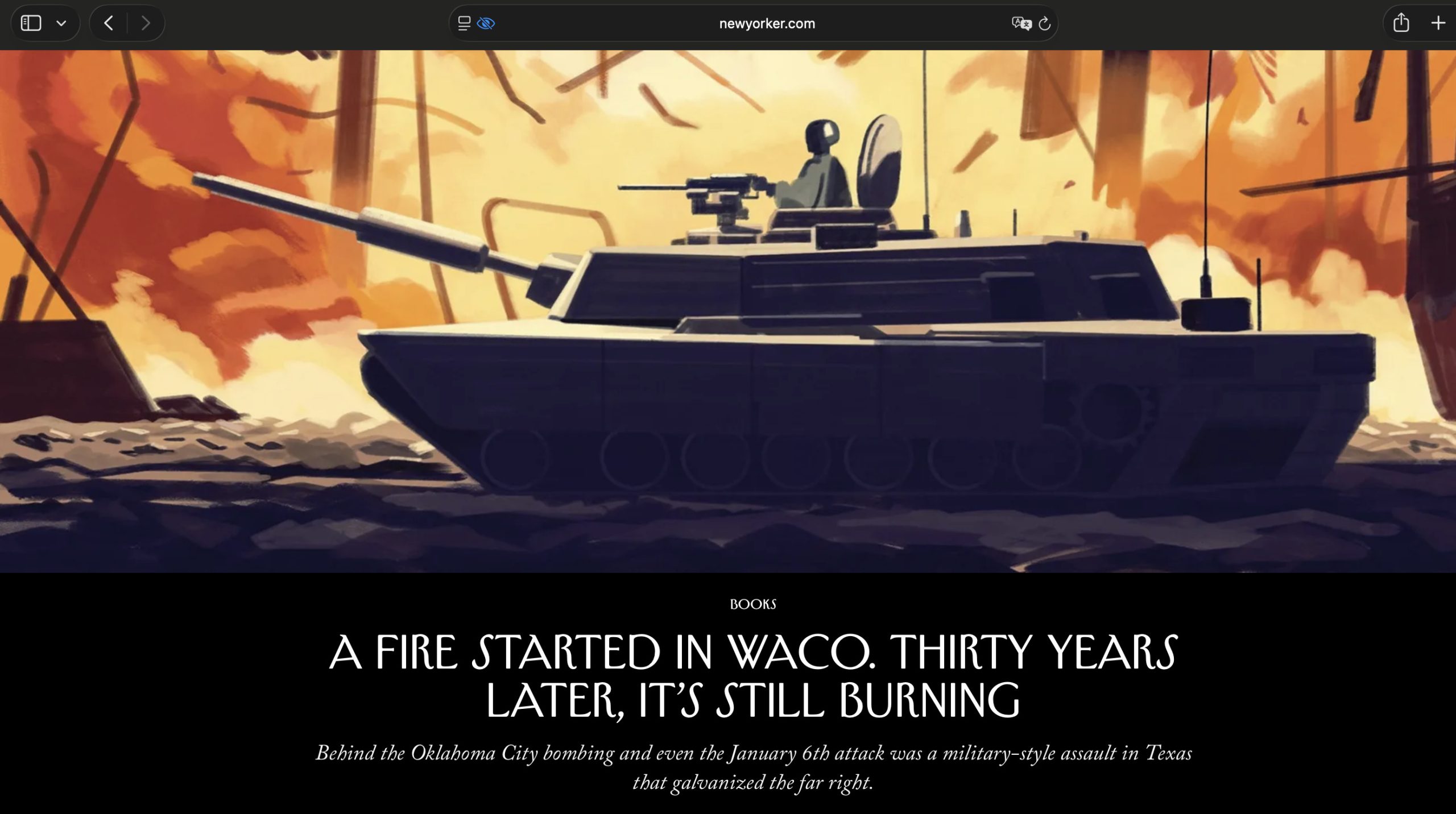
Thus, here too we see a familiar technique. Instead of addressing the real question whether individual media products, under certain conditions, can exert a psychological or ideological influence, the audience is offered a far simpler premise: “video games have no influence whatsoever.” Precisely this kind of substitution of a subject matter corresponds to the framing mechanism described by Robert Entman. In this case, Silantyev once again leaves out of discussion the figure of Rick Ross, a representative of the anticult movement who, as shown above, played a key role in events the aftermath of which The New Yorker described with the words “A Fire Started in Waco. Thirty Years Later, It’s Still Burning,” 16 and who later served as a consultant for a game utilizing the same religious images and plot motifs.
This is no longer a mere omission of an isolated fact, but yet another example of how Silantyev systematically excludes circumstances that can alter perception of the topic under discussion.
However, the most telling example is yet to come. We will examine Silantyev’s public statements about an event which he turned out to be directly connected with. This case is indeed of particular interest.
Mass Shooting at Gymnasium No. 175 in Kazan, Russia, on May 11, 2021
On the morning of May 11, 2021, one of the most tragic mass shootings in modern Russian history took place at Gymnasium No. 175 in Kazan. Former student Ilnaz Galyaviev opened fire on students and staff. 17
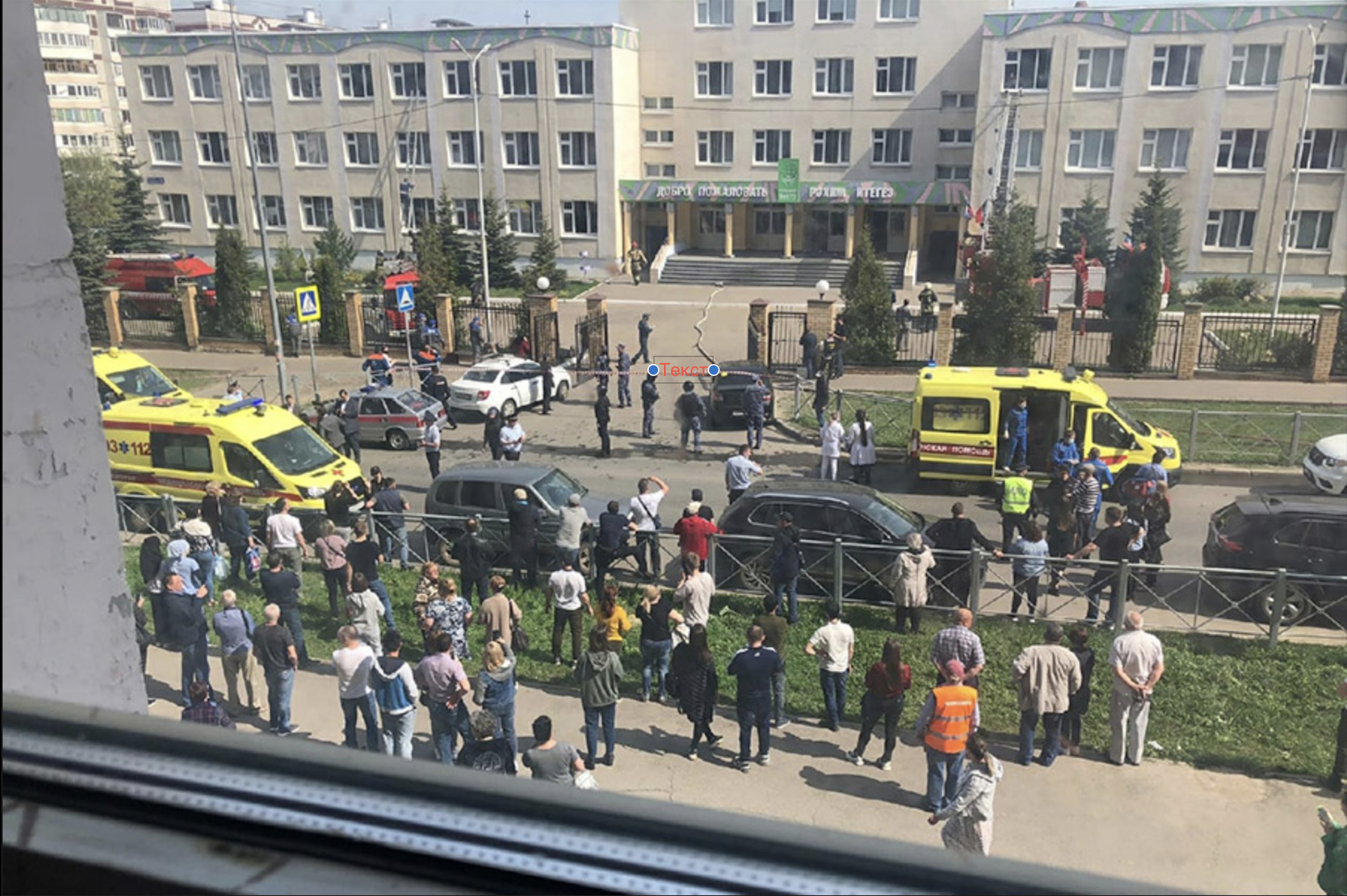
The attack resulted in deaths of nine people, most of them children, while more than 20 others suffered injuries of varying severity. The attacker was detained at the scene, and the tragedy circumstances became the subject of a large-scale investigation and widespread public debate.
Roman Silantyev commented on the tragedy in an interview with a media outlet Svobodnaya Pressa as follows:
“There is a classic scenario here. The perpetrator left a message in advance, which contains nothing Islamist, but contains the word ‘bio-waste.’ This word was used by an extremist neo-pagan organization that introduced the concept of cleansing the Earth of bio-waste, by which they mean practically everyone except themselves. However, this word alone is not enough for understanding. The individual studied at this school, grew up, obtained a firearms permit, chose a pre-lunch time, posted a statement, and killed indiscriminately rather than targeting specific offenders.” 18
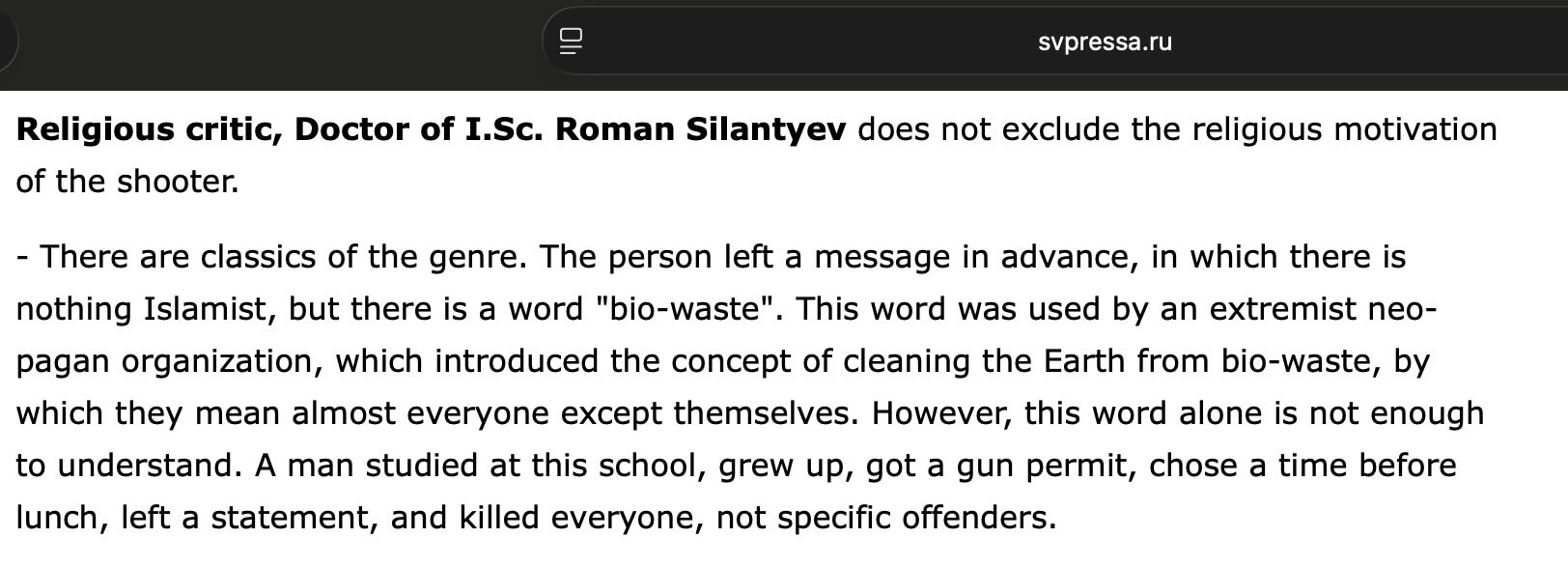
Now, let’s turn to the commentary itself and analyze to what extent the arguments given in it allow explaining the reasons for what happened.
As a starting point, Silantyev uses a real fact: the published message by Ilnaz Galyaviev indeed contained the word “bio-waste.” However, it is followed by an assertion that this word was used by “an extremist neo-pagan organization” that allegedly promoted the idea of cleansing society of “bio-waste.” Meanwhile, neither the organization name nor the sources of this information, or any materials that would allow verifying such a claim, are provided in the commentary. Consequently, readers are essentially asked to take on faith the existence of a link between the perpetrator and an organization whose existence and role in this context remain unsubstantiated.
There is no explanation as to why the word “bio-waste” should be considered a unique hallmark of this particular organization, nor are there any citations to investigative findings, criminal case files, court documents, or other sources confirming that the shooter was indeed under its influence. Hence, the commentary conflates two distinct levels of analysis: an established fact and its interpretation. The former is supported by open sources, while the latter remains a hypothesis which, in the quoted statement, is not supported by any verifiable evidence. Yet, it is this hypothesis that becomes the core element of the tragedy explanation.
It is also characteristic that subsequent listing of circumstances — attending this school, obtaining a gun permit, choosing the time of the attack, and targeting victims indiscriminately — does not in itself establish a causal link to the initial premise. These facts describe the sequence of events, but do not demonstrate how they support the version put forward regarding the influence of a specific organization.
Thus, in this case as well, we once again encounter a familiar technique that, as shown earlier, is characteristic of the anticult movement as a whole. Roman Silantyev consistently employs this methodology: an established fact serves as a starting point for subsequent conclusions, but the interpretation is not accompanied by verifiable arguments and is effectively presented to readers as a self-evident explanation of what happened.
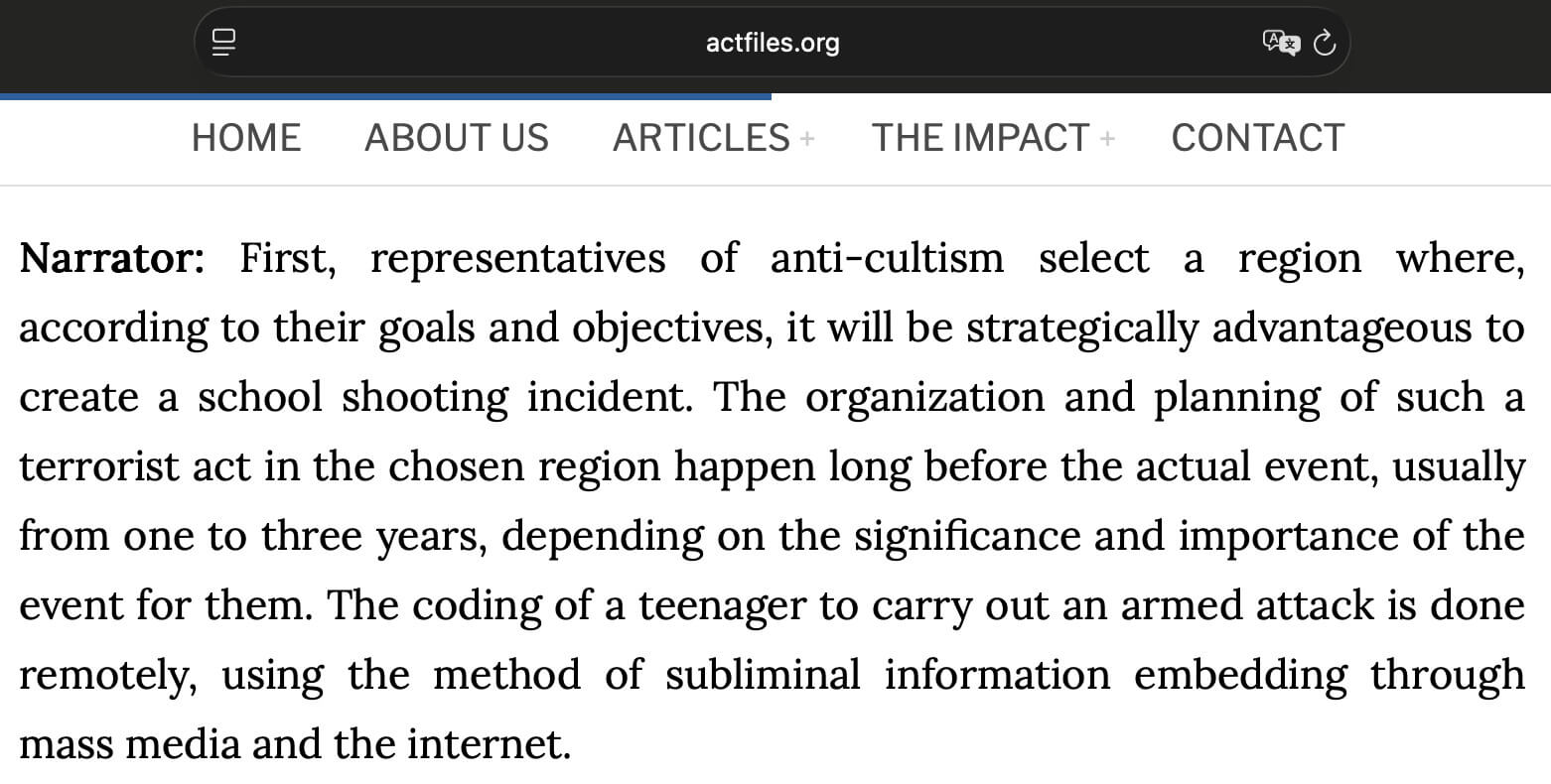
At the beginning of our study, we already addressed the hypothesis presented by the creators of “The IMPACT” documentary. According to the hypothesis, mass shootings in schools may be preceded by prolonged, remote informational and psychological conditioning, where a specific role is assigned to representatives of the international anticult movement. One of the proposed mechanisms of this model is outlined below:
“First, anticult representatives choose a region where, according to their goals and objectives, it will be strategically advantageous to orchestrate a school shooting. The organization and planning of such a terrorist act in the selected region occur long before the event itself, usually one to three years in advance, depending on the significance and importance of the event to them. Conditioning a teenager to carry out an armed attack is carried out remotely, using the method of subliminal implantation of information through mass media and the Internet.”
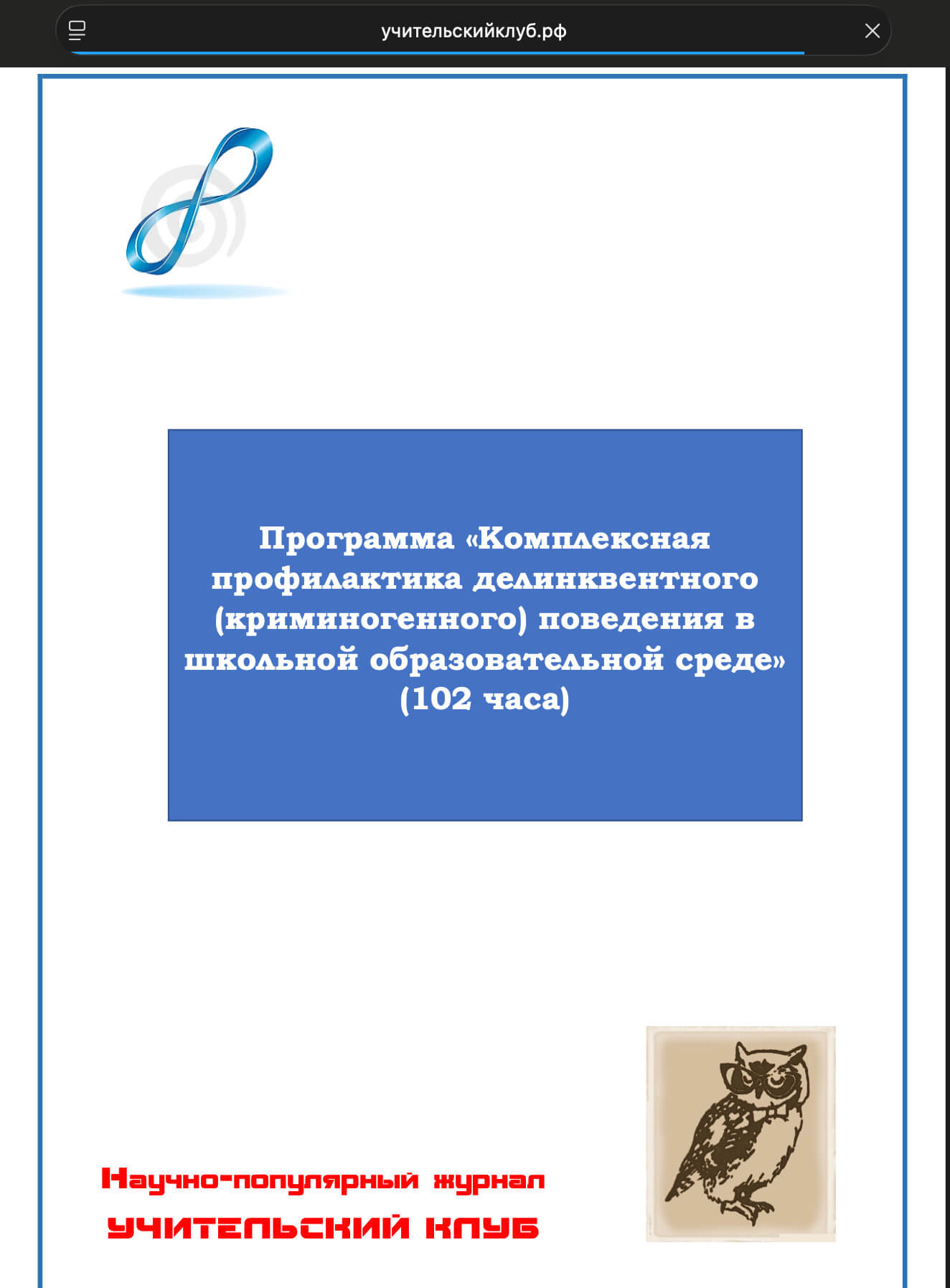
If we consider this hypothesis as a research premise, a natural question arises: can any signs of activity by anticult movement representatives be found in the region prior to the tragedy in Kazan? In testing the hypothesis presented by the creators of “The IMPACT” documentary, we discovered an agenda of a workshop titled “Comprehensive Prevention of Delinquent (Criminogenic) Behavior in the School Educational Environment” 19 which was held in Kazan about a year before the tragedy. The workshop took place under the auspices of the Teachers’ Club — an educational platform where training is usually focused on pedagogy, psychology, psychiatry, and other specialized disciplines. Against this backdrop, the agenda we found stands out sharply in both the topics and the stated lineup of lecturers. It looks so atypical compared to the platform’s general catalog of educational events that it naturally raises a question: How did an agenda with such topics end up in this lineup at all?
However, even more surprising is the lineup of announced lecturers. Among them were Roman Silantyev, one of the most prominent members of Dvorkin’s anticult movement; Steven Hassan, a figure with a highly controversial professional and public background, details of which we will examine below; and an individual previously convicted of murder, who served a prison sentence for it. The latter circumstance is especially striking, given that the workshop was devoted to preventing aggressive and delinquent behavior in the school environment.
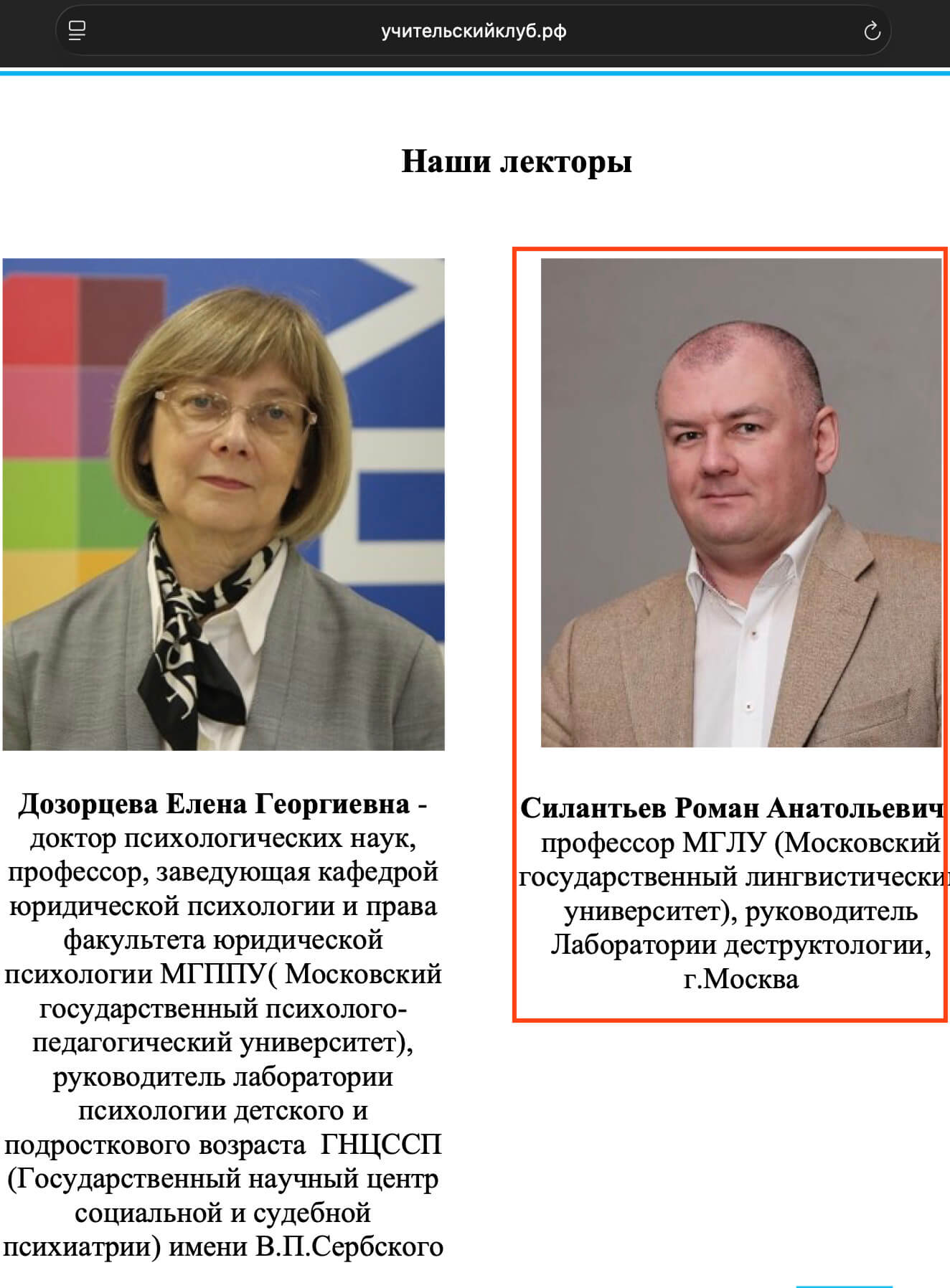
Roman Anatolyevich Silantyev, Professor at MSLU (Moscow State Linguistic University), Head of the Destructology Laboratory, Moscow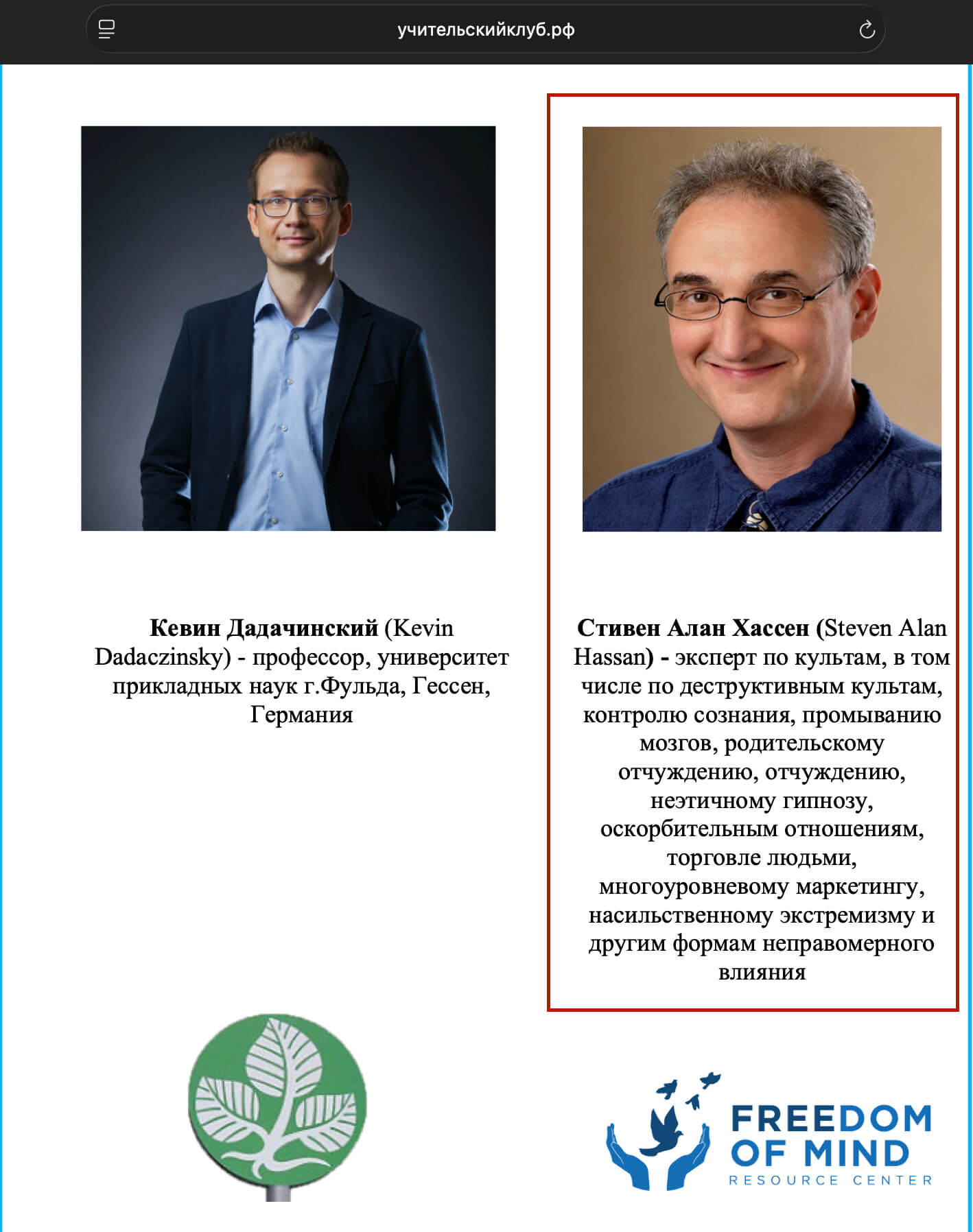
Steven Alan Hassan – expert on cults, including destructive cults, mind control, brainwashing, parental alienation, unethical hypnosis, abusive relationships, human trafficking, multilevel marketing, violent extremism, and other forms of undue influence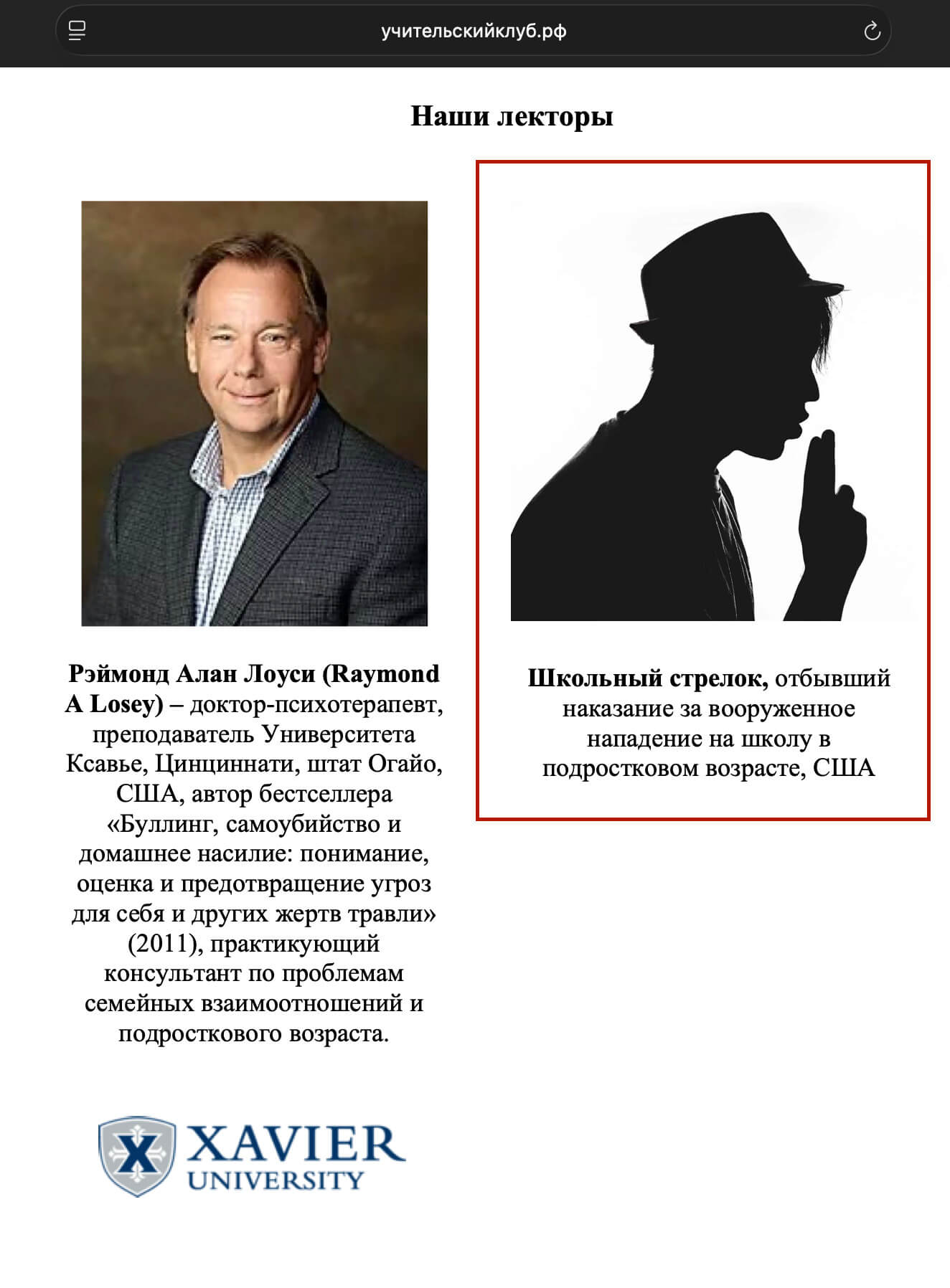
Thus, we are presented with an unusual combination: an educational workshop declared as a means of preventing dangerous behavior among schoolchildren, and lecturers whose backgrounds and professional activities themselves raise serious questions.
We already wrote in detail about Roman Silantyev’s methods, approaches, and qualifications: “Victims of Anticultism: The Silantyev List” and “Victims of Anticultism: The Silantyev List. Part 2.” The mere fact of inviting a former school shooter who served sentence for an armed school attack to lecture is already quite unusual for a course on preventing school violence.
Although a no less remarkable figure among the invited participants was the American “cult expert” Steven Hassan. For many years, Hassan has been positioned as one of the most prominent representatives of the international anticult network created by Alexander Dvorkin. Notably, in his book “Ten Questions to an Intrusive Stranger,” Dvorkin himself explicitly indicates that he used materials from Hassan’s book “Combating Cult Mind Control” while preparing his own writing. 20
At the same time, open sources contain information that substantially differs from Hassan’s public image. An archived version of his own official website includes his admission of participating in an attempted deprogramming of Arthur Roselle in 1976. 21 In a published affidavit, Roselle testified under oath that during this procedure, he was kept tied up for three days and deprived of sleep, while Steven Hassan and Ellen Lloyd took turns trying to forcibly compel him to renounce his chosen religious beliefs. 22
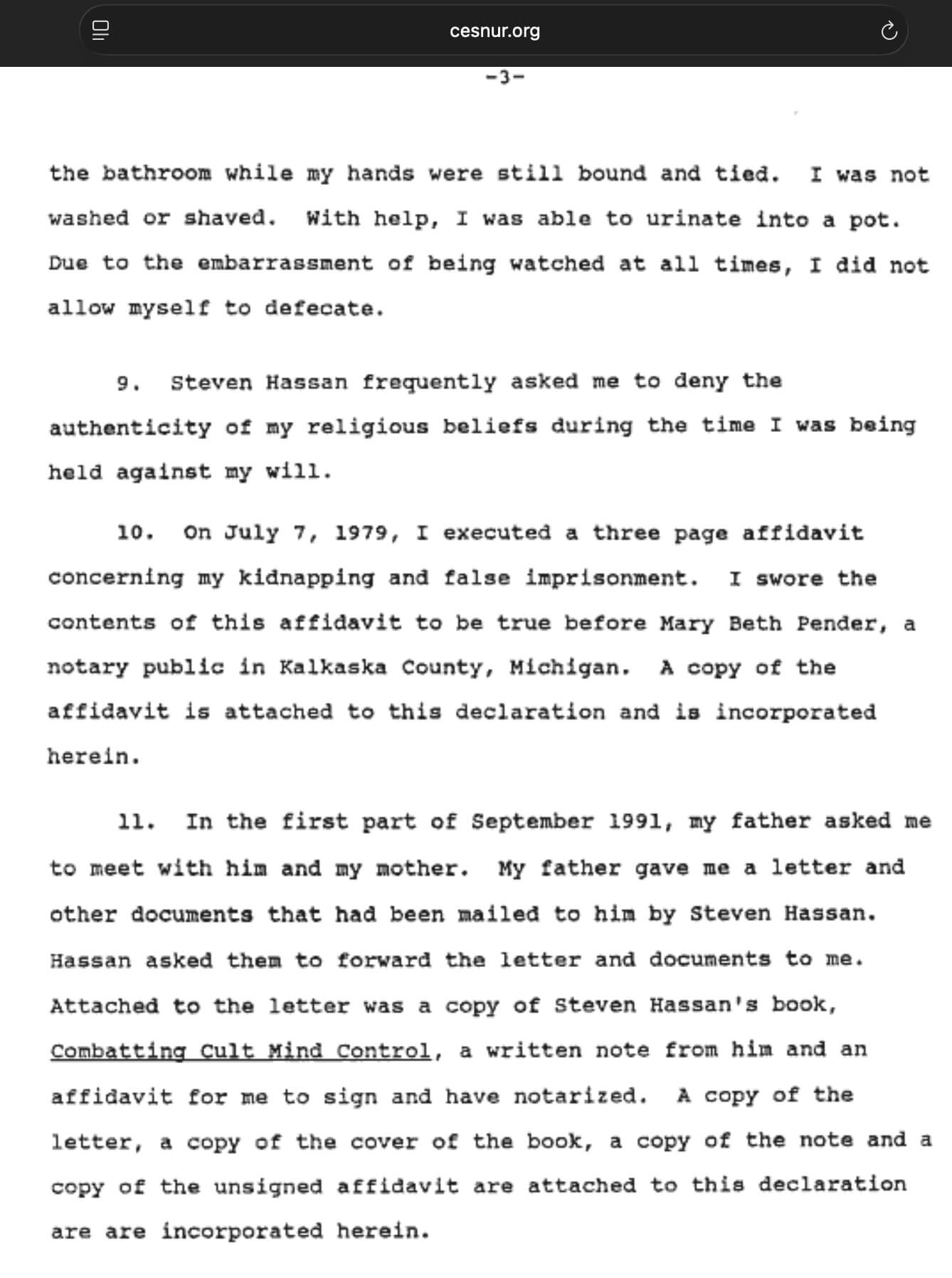
That same year, Hassan’s name also appeared in the case of Claire Kelley where he was referred to as the “chief deprogrammer” during the young woman’s forcible confinement. 23
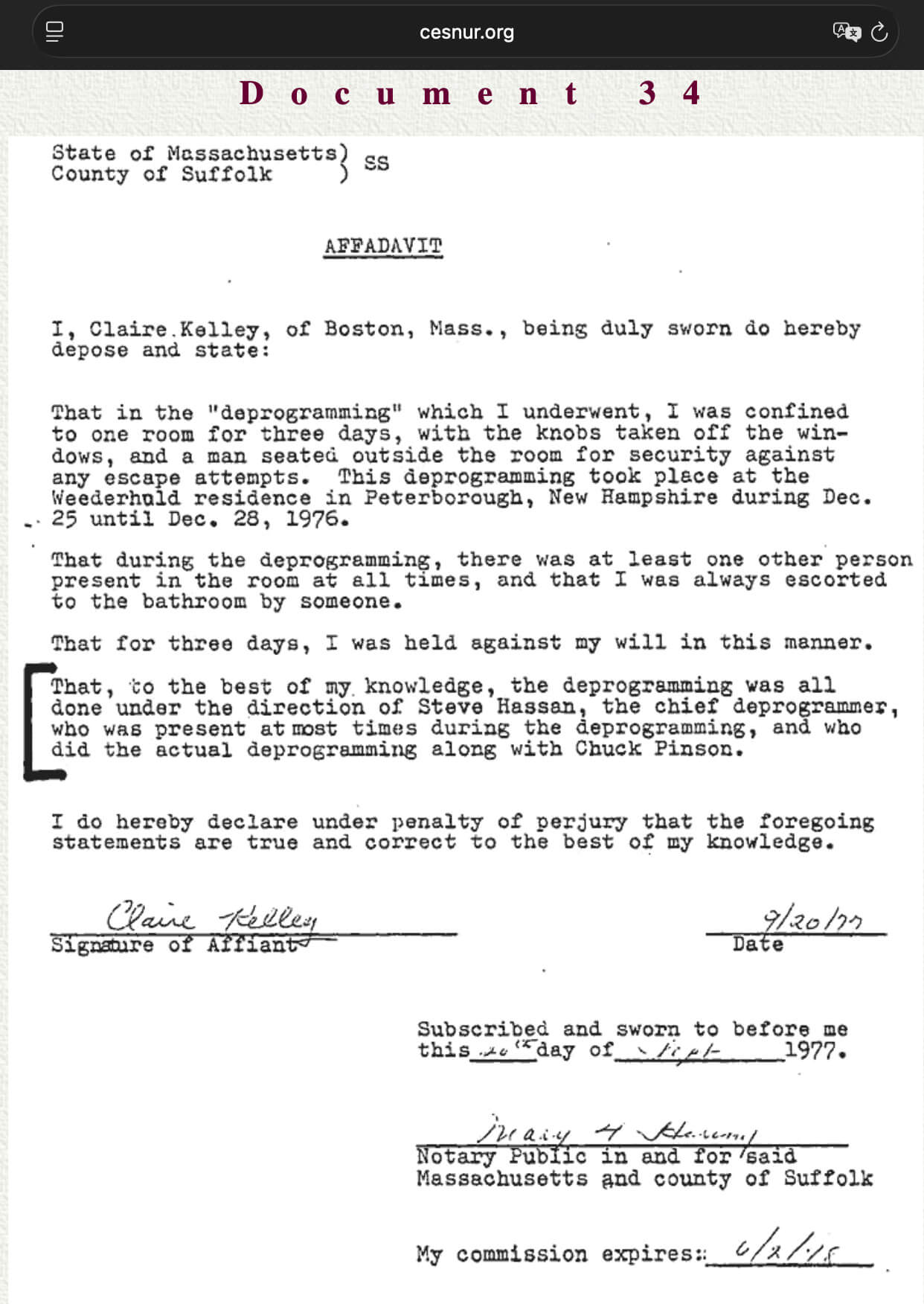
These are just a few of the numerous episodes and facts from Steven Hassan’s biography.
Against this kind of backdrop, a question arises with particular urgency: who assembled this lineup of lecturers and based on what criteria? Roman Silantyev, representative of the international anticult movement with a questionable reputation and no relevant specialized education; Steven Hassan, representative of the same organization who also lacks specialized education and is implicated in episodes of coercive deprogramming; and finally, a former school shooter who served a sentence for murder. Why were these specific men invited to train Russian educators on preventing school violence?
Thus, the first stage of testing the hypothesis yielded a positive result.
The next point we would like to highlight may seem insignificant on its own and unrelated to the events described. However, in our view, it takes on particular importance in analyzing potential causes of the crime, the course of investigation, and subsequent developments in this case. We are referring to the Kazan shooter’s own words describing the period when, by his own perception, significant changes started occurring in his mind:
“I realized that I’m God. It just dawned on me not right away, about two months ago. Over the summer, a monster began to awaken in me. I started hating everyone. I always hated everyone. I started hating them even more.” 24
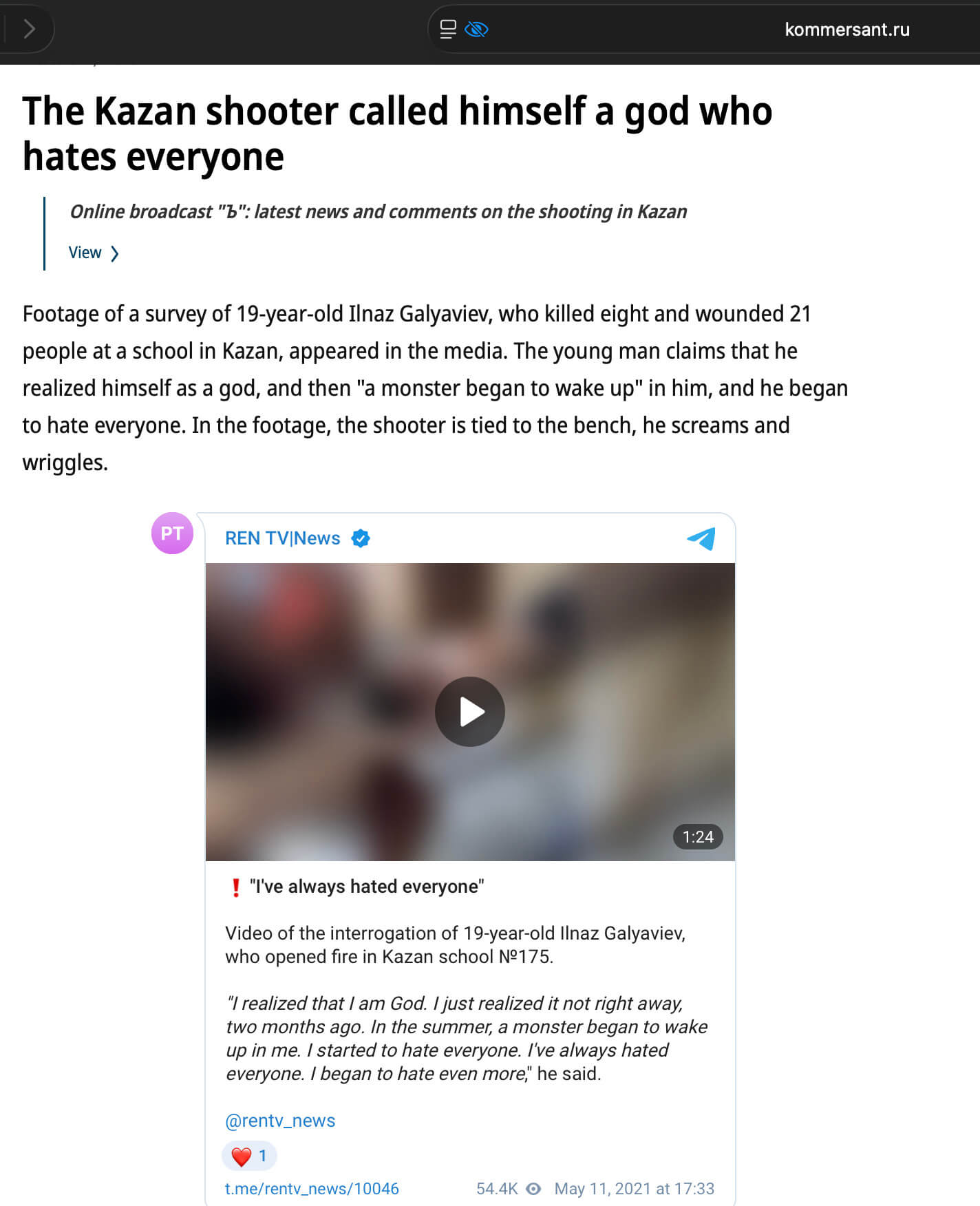
In the quoted excerpt, Galyaviev points to a specific timeframe when, according to him, significant changes began to occur in his consciousness and behavior. He notes that approximately two months prior to committing the crime, he developed a sense of his own exceptionalism; his attitude toward those around him changed, his sense of hatred intensified, and, as he put it, “a monster began to awaken.”
This moment is of particular interest in analyzing the causes of what happened. If we consider the version of possible remote informational impact, this exact period could be of fundamental importance, as the perpetrator’s psyche recorded a temporal boundary marking the transition to a new state of perceiving himself and the world around him. This, in turn, could hold a clue to establishing causes of the crime, identifying a potential source of influence, and investigating the hypothesis that certain individuals may have been involved in orchestrating it or interested in its consequences.
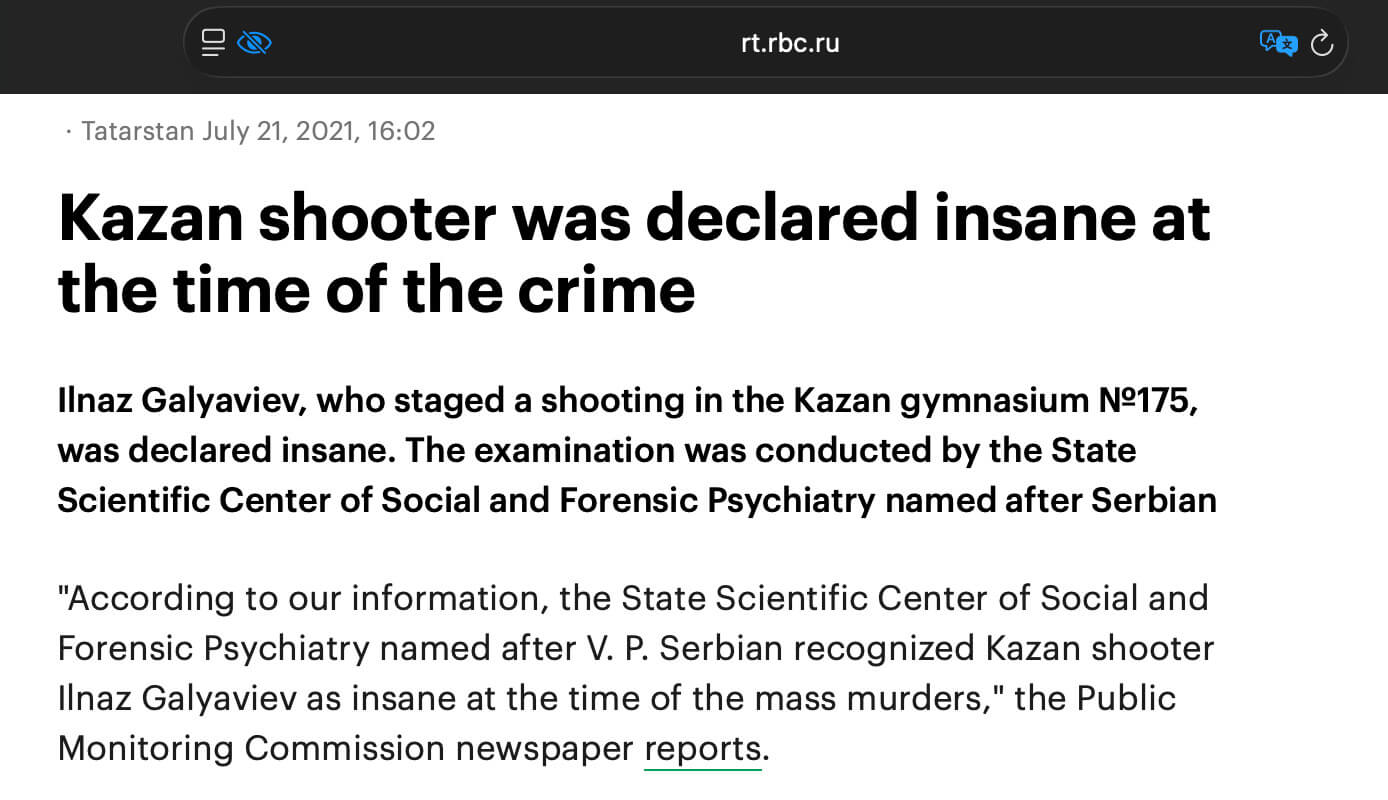
However, subsequent developments raise several questions. Following his arrest, Galyaviev was sent for a forensic psychiatric evaluation at the V.P. Serbsky National Medical Research Center for Psychiatry and Narcology. According to published reports, the initial examination concluded that he was legally insane at the time of the crime. 25
Later on, following a second psychological and psychiatric evaluation, an opposite conclusion was reached: Galyaviev was declared sane and capable of bearing responsibility for the crime committed. 26
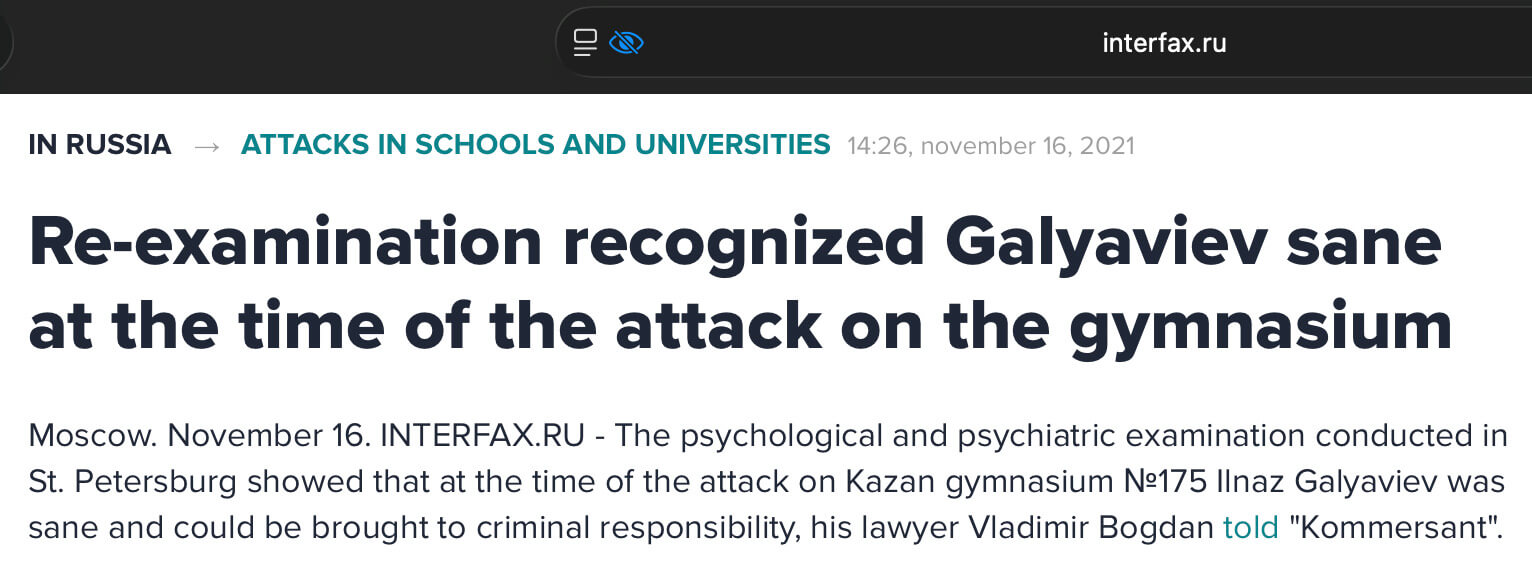
What warrants particular attention is not so much the discrepancy between conclusions of the two evaluations, but rather what exactly served as a basis for revising the initial examination, and why conclusions of the specialized forensic evaluation were questioned in the first place?
As reported, Alexander Bastrykin, chairman of Russia’s Investigative Committee, explained the need for a new evaluation by stating that the first evaluation “failed to take into account that Galyaviev was influenced by the ideas of the Columbine subculture.” 27
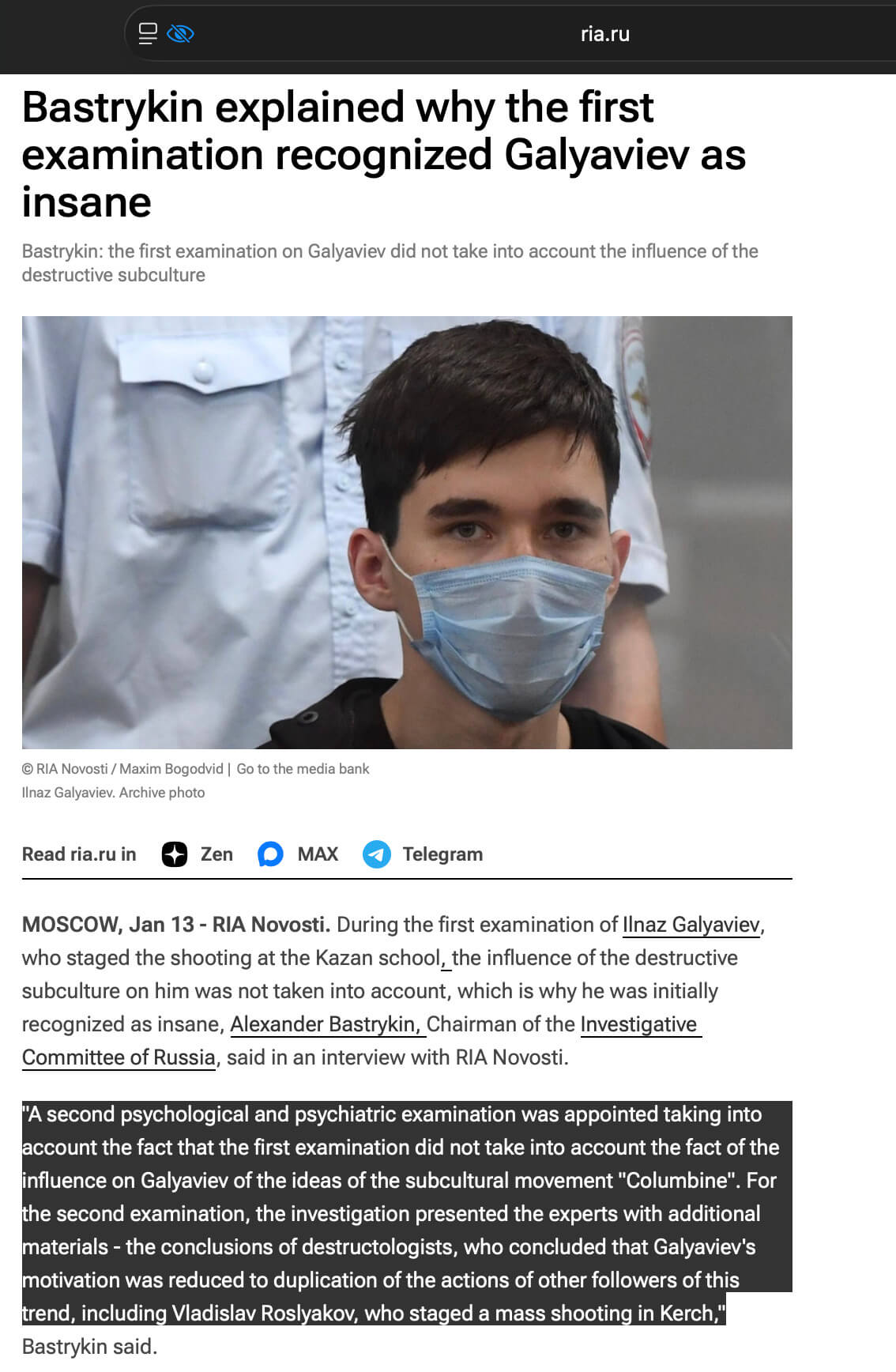
To conduct the second evaluation, investigators presented additional materials including the findings of “destructologists” asserting that Galyaviev’s motivation supposedly boiled down to replicating the actions of other adherents of this movement, including Vladislav Roslyakov who committed the mass murder in Kerch.
It is in this episode that Roman Silantyev reappears, no longer as a third-party commentator, but as a direct participant in the expert evaluation process. In one of his interviews, he explicitly confirmed: “We conducted expert examinations on the shootings in Perm and in Kazan.” 13 Thus, his own words link his activities to the forensic evaluation in the Galyaviev case.
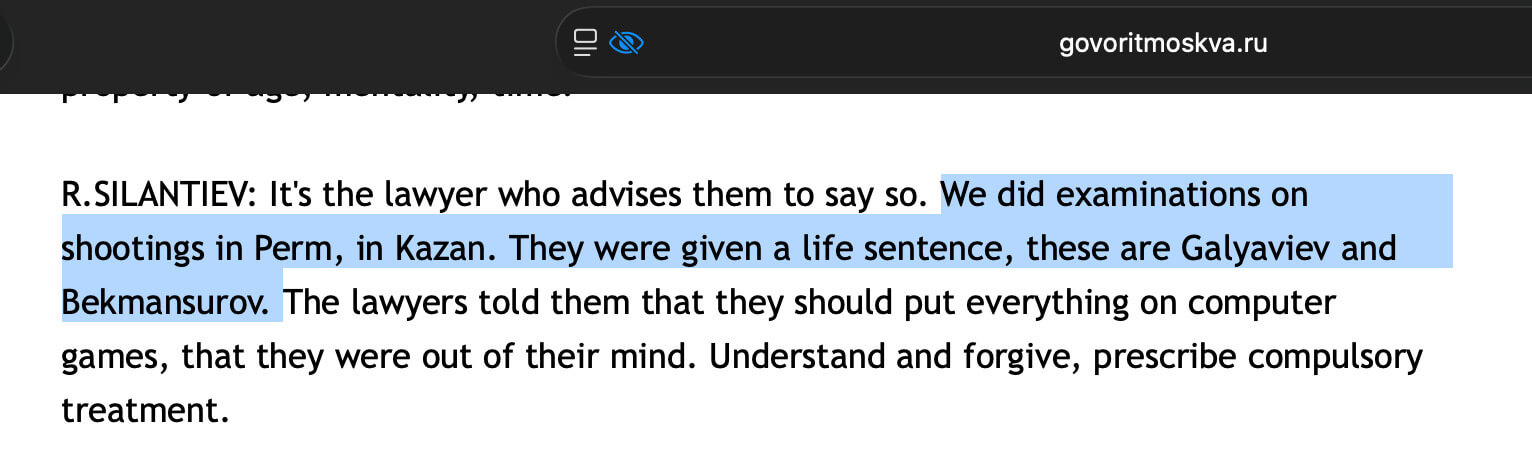
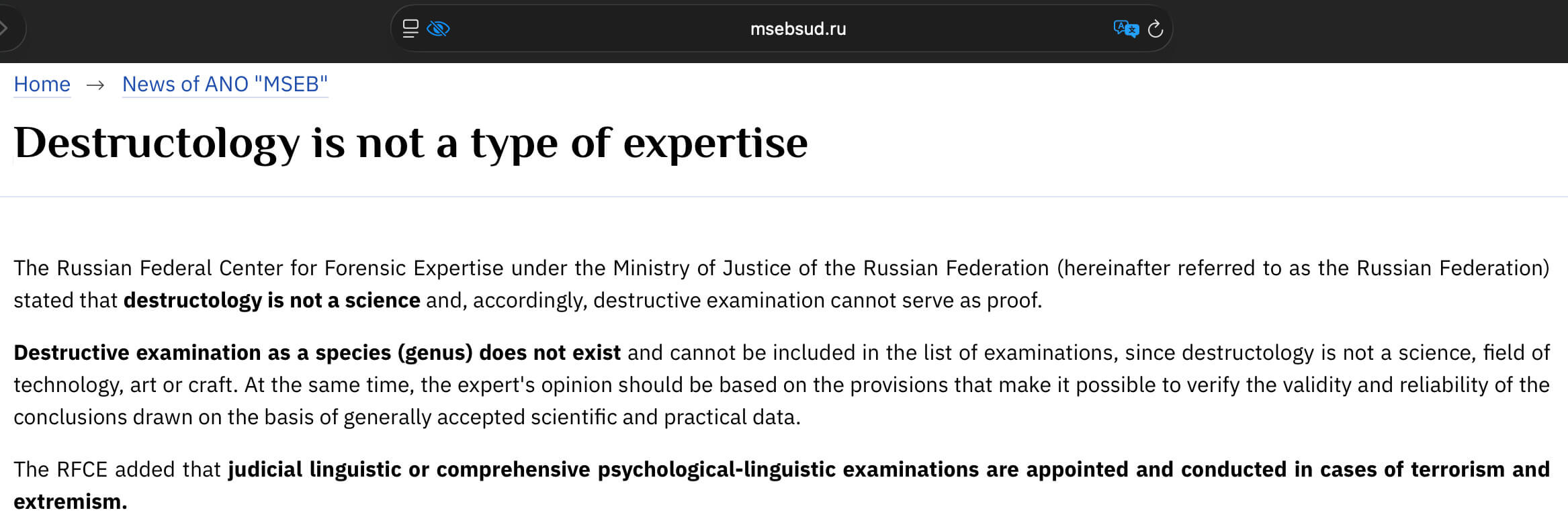
This raises an even more fundamental question: Who initiated the involvement of “destructologists” specifically to evaluate circumstances of the mass murder, and why did their conclusions become the basis for revising the results of a specialized forensic evaluation? On what grounds did specialists in a field which, as we detailed in a previous article, is not a science, with “destructological forensic examination” not existing as a recognized type of forensic analysis and ineligible for inclusion in the official register of forensic evaluations, gain the opportunity to influence the revision of a specialized psychiatric finding? The Russian Federal Center for Forensic Science under the Ministry of Justice also stated that “destructology” is neither a science nor an area of technology, art, or craft, and that conclusions of this type cannot be used as evidence. 28 Who initiated the involvement of Silantyev and his colleagues in the first place? Who suggested to investigators that they use their findings, what prompted the leadership of the Investigative Committee, including Alexander Bastrykin, to support this decision, and why did the conclusions of “destructologists” carry such weight in shaping the new narrative surrounding Galyaviev’s motives?
This raises an even more critical question: Was the medical evaluation of mental state substituted with a predetermined interpretation of the crime causes? This question becomes especially crucial if we compare the conclusions regarding Galyaviev’s mental state with his own words at different points in time. During interrogation, he spoke about the changes that had occurred in him, asserting: “I realized that I’m God.” Yet, in court, he recanted this characterization: “I wasn’t God and do not consider myself to be such,” after which he apologized to the victims. 29
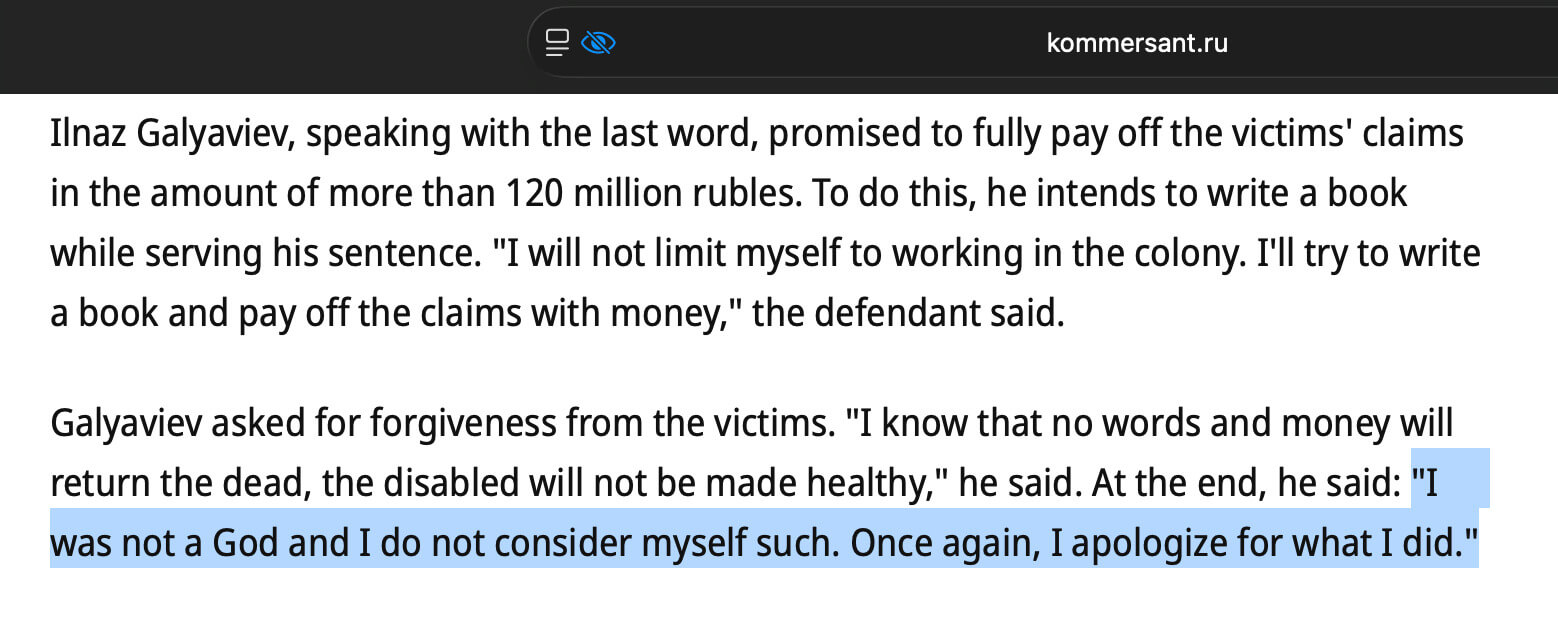
Therefore, we can see a documented contradiction in the defendant’s self-description: What happened between those two points in time, and why did his perception of his own state change? It is this question that matters not only for assessing accountability for the crime already committed, but also for understanding the very mechanism of the transformation that took place.
In this regard, another fundamental question arises: In whose interests did this system ultimately operate? If the defendant’s state of mind truly changed and he himself noted those changes and subsequently explained them in a different way, would it not be in the public interest, above all, to determine the causes and mechanism of those changes?
The task of justice is not limited to imposing punishment. In such cases, it is equally important to understand what happened to an individual prior to committing a crime, what factors led to such a radical transformation of their behavior, and whether this process could have been identified before the tragedy occurred. If these questions remain unanswered, society receives punishment for a past crime, but gains no understanding of how to prevent the next one.
This naturally raises a question: Did the revision of the expert evaluation and the subsequent imposition of a life sentence result in a missed opportunity not merely to punish Galyaviev, but to investigate his mental state under court-ordered psychiatric treatment, thereby uncovering answers regarding the causes of his transformation?
In this context, our investigation “KGB vs. USA: Confrontation Continues. Puzzle-Piece Coding as an Element of Psychological Warfare” is of particular interest. There, we detailed the history of using regressive hypnosis in criminal investigations. The article cites examples of its successful application in recovering lost memories of witnesses and obtaining information that helped establish the circumstances of crimes and trace perpetrators. Once again, we encounter the trail of the anticult movement: psychologists and psychiatrists linked to its U.S. entities were behind the discrediting of this method. Thus, discrediting the method deprived investigators of a tool that could not only help solve committed crimes, but also trace the source of impact on a perpetrator and potentially identify those who may have been behind shaping his or her intentions.
Far too many of these facts converge on a single point: time and again, representatives of the anticult movement appear alongside key episodes, from shaping and discrediting investigative methods to participating in interpretation of perpetrators’ mental states. This can hardly be dismissed as a series of isolated coincidences. The hypothesis presented in “The IMPACT” documentary regarding potential deliberate informational and psychological influence warrants a thorough investigation.
It is precisely application of the framing method to the phenomenon of school shootings that has enabled us to connect seemingly unrelated facts and identify a recurring pattern: within the explanatory model of a tragedy, some circumstances are given central prominence, while facts pointing to the potential involvement or influence of anticult movement figures are excluded. In the meantime, self-proclaimed school shooting “experts” who represent that very anticult network are granted the authority to determine which facts are deemed significant and which should be omitted from the explanatory model. This produces a paradoxical situation: the potential subject of an investigation doubles as its interpreter. This raises the main question: Does the search for causes of a tragedy turn into an inquiry where an investigator has preemptively ruled out the possibility of discovering himself?
Conclusions
The United States is a country hardest hit by mass shootings, the consequences of which, as noted in our investigations, have extended far beyond individual crimes, leading to a serious crisis of trust in government institutions and a prolonged series of domestic terrorism.
Under these conditions, the USA that possesses the largest body of data and historical experience in studying such crimes could spearhead the creation of an international interdisciplinary commission comprising psychiatrists, psychologists, criminologists, information warfare specialists, and independent experts. Its mission should be to examine all available data: from the mechanisms by which perpetrators’ beliefs are formed to potential sources and organizers of external influence.
If such an examination confirms the existence of systemic influence, the next imperative will inevitably be to identify its orchestrators, beneficiaries, and distribution mechanisms. Too much suggests that we may be dealing not with a random collection of tragedies, but with a phenomenon capable of posing a threat not only to public safety, but also to fundamental democratic and civil rights.
For this very reason, the hypothesis of puzzle-piece coding proposed by the authors of “The IMPACT” documentary, as well as the hypothesis that representatives of the international anticult network long headed by Alexander Dvorkin may be behind the deployment of this method, must be investigated in the most open and independent manner possible, utilizing the full arsenal of modern science.
Sources:
1. https://vrns.ru/news/roman-silantev-kolumbayn-samaya-sereznaya-ugroza-bezopasnosti-rossii/ 2. https://commsociety.wordpress.com/background-on-framing-theory/
3. https://en.wikipedia.org/wiki/Columbine_High_School_massacre
4. https://lenta.news/articles/2014/02/03/school/
5. https://ansobor.ru/news.php?news_id=10650
6. https://eparhia.ru/kazan_news/?id=174127
7. https://www.theguardian.com/world/2009/apr/17/columbine-massacre-gun-crime-us
8. https://www.davecullen.com/columbine
9. https://www.columbine-guide.com/columbine-bombs
10. https://www.britannica.com/event/Oklahoma-City-bombing
11. https://www.britannica.com/event/Waco-siege
12. https://www.pbs.org/wgbh/americanexperience/features/Oklahoma-city-not-new-revolution/
13. https://govoritmoskva.ru/interviews/3477/
14. https://x.com/RickAlanRoss/status/1753431013483831749
15. https://segmentnext.com/far-cry-5-cult-outposts-guide/ 16. https://www.newyorker.com/magazine/2023/05/08/waco-jeff-guinn-waco-rising-kevin-cook-book-review-homegrown-jeffrey-toobin
17. https://www.rbc.ru/society/11/05/2021/609a6ca09a794729a86b8e34
18. https://svpressa.ru/accidents/article/298107/
19. https://учительскийклуб.рф/upload/226/kompleksnaya-profilaktika-delinkventnogo-kriminogennogo-povedeniya-v-shkolnoy-obrazovatelnoy-srede_5e87240bcdcaf.pdf
20. https://www.skeptik.net/religion/10vop.htm
21. https://web.archive.org/web/20061212132017/http:/www.freedomofmind.com:80/stevehassan/refuting/
22. https://www.cesnur.org/2001/CAN/33/Page03.gif
23. https://www.cesnur.org/2001/CAN/34/01.htm
24. https://www.kommersant.ru/doc/4803171
25. https://rt.rbc.ru/tatarstan/freenews/60f7de6b9a794756a2c12993
26. https://www.interfax.ru/russia/803288
27. https://ria.ru/20220113/sk-1767605093.html
28. https://msebsud.ru/news/destruktologiya-ne-yavlyaetsya-vidom-ekspertizy
29. https://www.kommersant.ru/doc/5926442